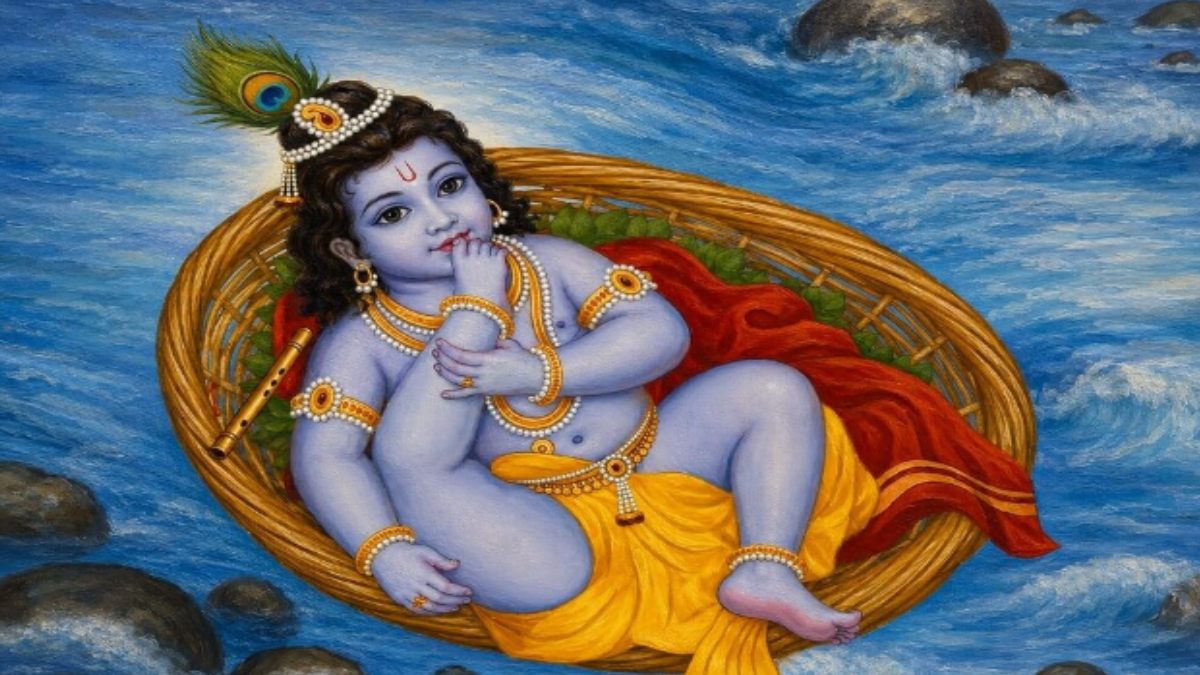
Krishna Janmashtami, one of the most celebrated Hindu festivals in India, will be celebrated on Friday, September 4, 2026. It is the birthday of Lord Krishna and it is celebrated with fasting, midnight prayers, devotional programmes, temple visits and cultural events across the country.
However, one common question ahead of the festival is whether Janmashtami is a national holiday and whether offices, schools, banks and other institutions will remain closed.
The short answer is that Janmashtami is not one of India's three national holidays. The country's national holidays are Republic Day on January 26, Independence Day on August 15 and Gandhi Jayanti on October 2. Janmashtami is on the Central Government’s holiday calendar as a Gazetted Holiday, and individual states and institutions may have their own holiday calendars and rules. The National Portal of India has different holiday calendars for Central Government and individual states and Union Territories.
When is Janmashtami 2026?
Krishna Janmashtami falls on September 4, Friday in 2026 in the Hindu lunar calendar. The festival is associated with the Ashtami Tithi of Krishna Paksha. While the primary festival date is September 4, there is still some kind of celebrations after midnight into September 5 since the birth of Lord Krishna is celebrated at midnight. This is why some calendars and online searches may give the impression that the festival is on September 4 or September 5.
Is Janmashtami a national holiday?
No. Janmashtami is not a national holiday in the legal sense. However, September 4 is listed as a Gazetted Holiday in the Central Government holiday calendar for 2026. That means Central Government offices in the relevant Central Government holiday list will treat the day as a holiday.
The situation can be different for employees in private companies, schools, colleges, banks and other organisations. Organizations generally follow their state holiday calendars, organisational policies or sector-specific holiday schedules.
State-wise holiday status
Janmashtami is particularly significant in states and regions with strong Krishna traditions, such as Uttar Pradesh, Rajasthan, Gujarat, Maharashtra, Haryana, Delhi, Bihar, Jharkhand, Madhya Pradesh and many other parts of India. Government offices, educational institutions and other places can observe a holiday on September 4.
But the holiday status can vary between states and even among different categories of institutions. The official National Portal of India provides separate calendars for states including Karnataka, Maharashtra, Gujarat, Uttar Pradesh, Rajasthan, West Bengal, Tamil Nadu, Telangana, Andhra Pradesh and others. Thus, employees and students should check the official holiday notification of the state government of their state while not assuming that a holiday will be held across the country.
What about banks?
Bank holidays are governed by the Reserve Bank of India holiday calendar and vary depending on the state and city. Thus, even if Janmashtami is a holiday in one state, bank branches in another state may remain open. September 2026 will see a number of regional holidays and Janmashtami will be among the festival-related bank closures.
So customers who will visit a bank on September 4 should check their state-wise RBI holiday schedule before going. Digital banking services such as UPI, internet banking and mobile banking generally continue to work even when physical branches are closed.
Will schools and colleges be closed?
There is no single nationwide rule that every school and college must close on Janmashtami. School holidays are generally decided by state education departments, local authorities and individual institutions. Many schools in states where Janmashtami is widely observed may declare September 4 as a holiday, while others may follow a different academic calendar.
Parents and students should check their school’s official notice, academic calendar or communication before assuming that September 4 will be a holiday.
Why does the holiday status vary?
India has a system in which holidays can be national, gazetted, restricted, state-specific or institution-specific. Religious and regional festivals can therefore be holidays in some parts of the country without being compulsory holidays everywhere.
The Central Government's official holiday calendar itself distinguishes Gazetted (G) and Restricted (R) holidays. State governments have their own holiday calendars, and the same festival can have different implications depending on where a person lives or works.
For Janmashtami 2026, the most important date to remember is Friday, September 4. It is a Central Government Gazetted Holiday but it should not be referred to as a national holiday. Employees will have to check their employer’s holiday list, and students and parents will have to check with their schools or colleges in order to get a clear picture. Bank customers should look at the state-wise banking holidays schedule before they go to their bank branch.
Janmashtami 2026 is expected to be celebrated with religious rituals, devotional events and cultural events at temples and communities for midnight ceremonies in different parts of India with a focus on the Hindu temple and community on the evening of Janmashtami 2026.