Porsche is preparing for a major transformation that could transform the company for the next decade from now on. Porsche is projected to cut its workforce by approximately 20 per cent by 2035, and the company will also have to become more efficient and adapt to the rapidly changing automotive landscape.
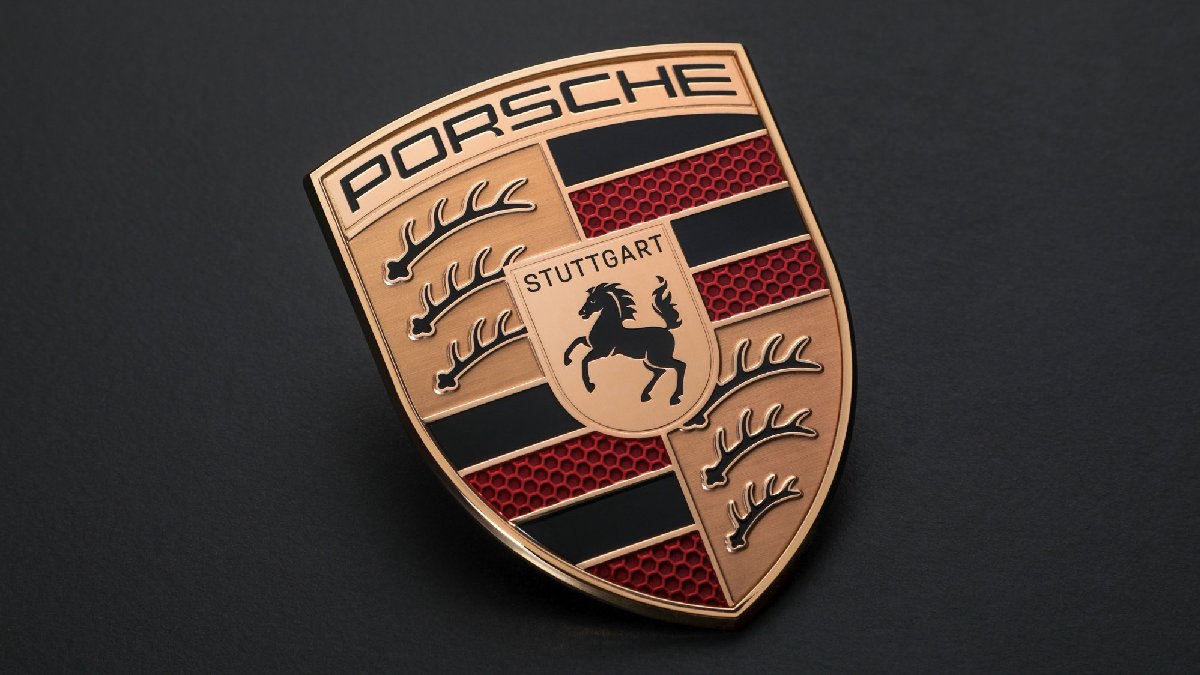
To be more competitive, it will have to be more efficient and adapt to the automotive business, which means more high-end models will be discontinued in the coming years; therefore, the car product lineup will likely change.
At a time when automobile manufacturers across the globe are struggling with a tepid economy, high production costs, competition, and the expensive transition to electric mobility, traditional automakers are under pressure to invest billions of dollars in electric vehicles, battery technology, software development, and digital services but also stick to their existing businesses.
Porsche, which has famous models like 911, Cayenne, Macan, Panamera, and Taycan, is not immune to these industry-wide issues. The business model of the world’s largest luxury car brands has changed so rapidly, and customers are changing the way they think so fast in some key markets that management has to take action to keep it competitive at all times.
The workforce reduction is expected to occur gradually over the next decade rather than in large mass layoffs. Porsche will have to take natural attrition, retirement schemes, voluntary separation schemes, and selective hiring controls to achieve the target. Such an approach would reduce disruption and enable the company to evolve its workforce to the business in the future.
Industry analysts say automotive manufacturing is undergoing one of the most dramatic transitions in its history. Electric vehicles are less labour-intensive and have fewer parts and assembly processes than internal combustion engine vehicles. So many carmakers are re-evaluating their labour requirements as they move toward electrification.
Other aspects of Porsche’s long-term strategy seem to be that one is to optimise its model portfolio. Porsche, too, is now assessing the commercial viability of some of its models to decide which products are best suited for the future market and profitability. Porsche hasn’t formally specified which models will be affected, but there is speculation that lower-volume or less profitable vehicles could be revisited as part of the restructuring process.
The Taycan has been a huge success, and even more are coming into the electric industry in the future; it is clear that the company is going to be looking forward to electric cars as well. Porsche has done a lot in EVs, with the Taycan and new electric versions of several existing models for the company. But the global adoption of the vehicles has been slow and still very uneven: some are too slow in developing networks of electric vehicles like the ones in the US; some people are still wondering where the markets are in the future.
Luxury car competition is heating up with old competitors Mercedes-Benz, BMW, and Audi all adding electric vehicles to their offerings, while Tesla and other Chinese EV manufacturers are taking over the market. An arms race is getting started, and old brands are trying to reset their product strategies, production processes, manufacturing processes, and cost models as well.
But Porsche will continue the performance, the engineering excellence, and the premium factor. So the brand identity has always been important, and the company has always had to move with the ever-changing mobility situation to be flexible. So the restructuring strategy is not just a cost reduction, but it is also to set Porsche up for the future in the automotive industry as a sustainable company.
Investors and industry pundits will watch Porsche’s transformation strategy closely in the next decade. Layoffs and model reductions may be difficult for Porsche, but that’s the only way to survive in the era of electrification, digital innovation, and the needs of consumers.
As the automotive industry continues to evolve, Porsche’s plans speak to the larger problem for many global carmakers: how to keep tradition and innovation and plan for a future that will look very different from that in the past?