Germany's biggest carmaker Volkswagen is preparing for another massive workforce reduction as it grapples with weakening demand, rising costs and rising competition from Chinese electric vehicle makers. The company is going to cut approximately 50,000 more jobs by 2030, which takes the total number of jobs that could go out in the decade to around 100,000.
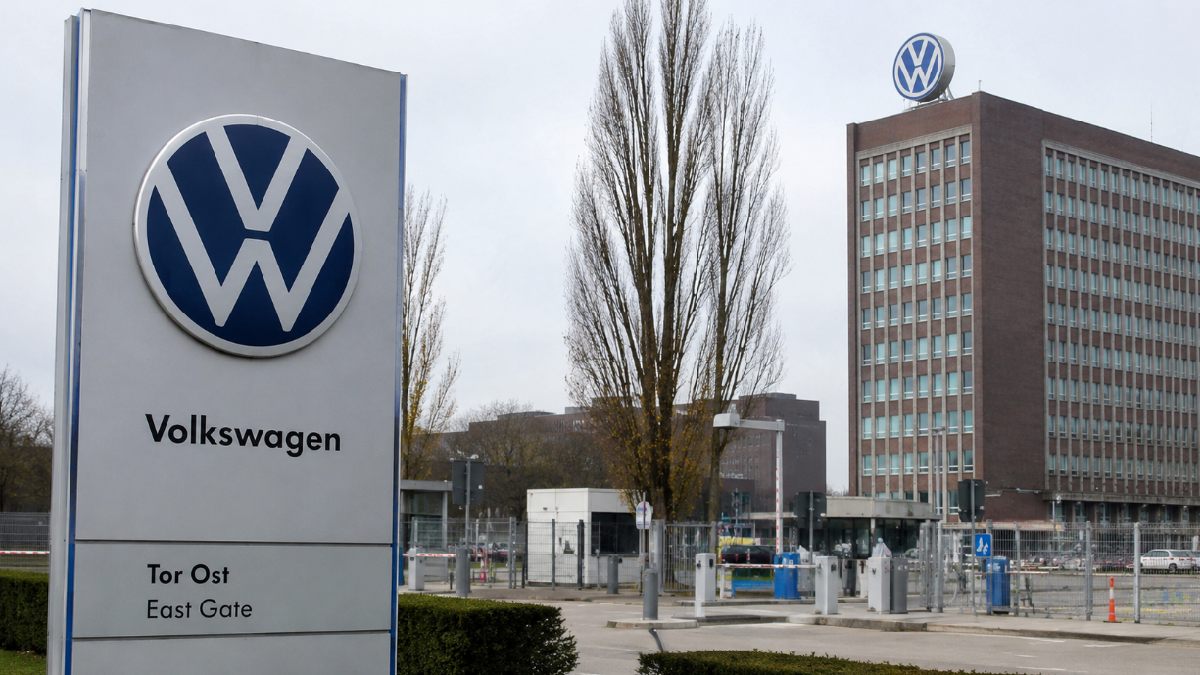
The latest restructuring plan underlines the scale of the challenges facing one of Europe’s largest industrial employers. Volkswagen, which employed more than 660,000 people globally in 2025, is trying to re-assess its business in the face of changing customer demand, new automotive technologies and the increasing importance of electric vehicles.
Volkswagen's top management approved the new workforce plan Thursday. In fact, Volkswagen already announced in March that it would cut its workforce by about 50,000 employees by the end of the decade. The higher levels of cuts will greatly expand Volkswagen's restructuring program.
The German carmaker has been under pressure from several angles. Vehicle sales have fallen in a number of key markets and profitability has deteriorated and competition in the electric vehicle sector has been so intense. Chinese manufacturers have grown and are putting pressure on established European carmakers with competitively priced electric models and product development.
Volkswagen Looks To Lower Costs
Workforce reduction is part of a larger strategy of efficiency that is used to cut costs and reduce the company’s spending. Volkswagen has said that changing market conditions and technological innovations require at least a basic change in its workforce capabilities.
The latest measures would affect approximately 50,000 positions, including management roles. Volkswagen is looking to simplify its product portfolio and concentrate on models that have more commercial potential, rather than cut numbers of employees.
The automaker will concentrate on the best vehicles and increase production volumes for selected models. Production of more units of individual models will help Volkswagen to produce them efficiently and spread fixed costs across larger quantities.
Oliver Blume, Volkswagen CEO, had already said in July that more job cuts were possible. In a BBC interview, Blume said there could be further reductions in staff. “It’s a really big deal and it is the first step that Volkswagen has taken in the future,” he said, and he pointed out Volkswagen should care about its workforce.
Four German Factories Under Review
The restructuring could also have a big impact for Volkswagen’s manufacturing footprint in Germany. The company is assessing the future use of four plants in Emden, Zwickau, Hanover and Neckarsulm.
Volkswagen says that these facilities have a lot of production capacity available to meet the market demand and therefore are currently not being used as production facilities.
Any significant changes to these facilities would have potential repercussions beyond Volkswagen itself. The German automotive industry directly and indirectly supports thousands of jobs and its manufacturing plants are both directly and indirectly an economic driver of many but often a very important economic centre of production which are essential to the communities around them.
The review of production capacity is also indicative of the broader transition in the European car industry. Traditional manufacturers are having to rethink factory operations as demand changes and electric and software-driven vehicles take over the market.
Chinese EV Makers Add To Volkswagen's Challenges
This kind of restructuring from Volkswagen comes at a time when Chinese electric car manufacturers are making more roads in the global automotive market. China-based companies are adding more and more EV products and are going to war on price, technology and product variety.
The transition has been difficult for established European automakers, and for them the reality is that they have to go all-out into electric vehicles and other new technologies, and at the same time they must manage costs in their current business.
Volkswagen’s huge portfolio of brands adds more complexity. The group owns and operates Volkswagen, Porsche, Skoda, Seat, Bentley and Lamborghini brands. Tackling a global portfolio and constantly adapting production to changing needs is a big investment with careful resource allocation.
So the company is working at efficiency while investing in products and technologies with the best future potential (not only in terms of innovation, but also in future technology development).
Volkswagen Begins Major Transformation
Christianne Benner, president of Europe’s largest industrial union IG Metall and deputy chair of Volkswagen’s Supervisory Board, said the company had worked hard to find solutions to what she described as a crisis situation.
The scale of the planned reductions underscores Volkswagen’s financial and competitive challenges. Cutting about 100,000 positions has been a big move for a company that for decades has been Germany’s largest employer.
Volkswagen’s restructuring will ultimately depend on whether Volkswagen can effectively align production to demand, cut its operating costs and become more competitive in the fast-moving EV market. The automaker will also be required to manage the impact of layoffs and investment in new technologies and how to cope with the loss of workers in production while simultaneously investing in new technologies.
Volkswagen is now embarking on one of the most major restructuring processes in its history. A leaner workforce, a more focused vehicle portfolio and improved production efficiency will be used to help the company regain pace and solidify itself in the world’s automobile market at the end of the decade, it believes.