Natural Diamonds. From Ancient Origins to Ethical Sourcing. Diamonds are some of the most beautiful natural elements on Earth. So much of what makes a natural diamond special is in the nature of the gems and not just their origin (and why). Based on research and data, here are 10 facts about them we know in-the-wild, rare, unique and impactful and what makes them unique?
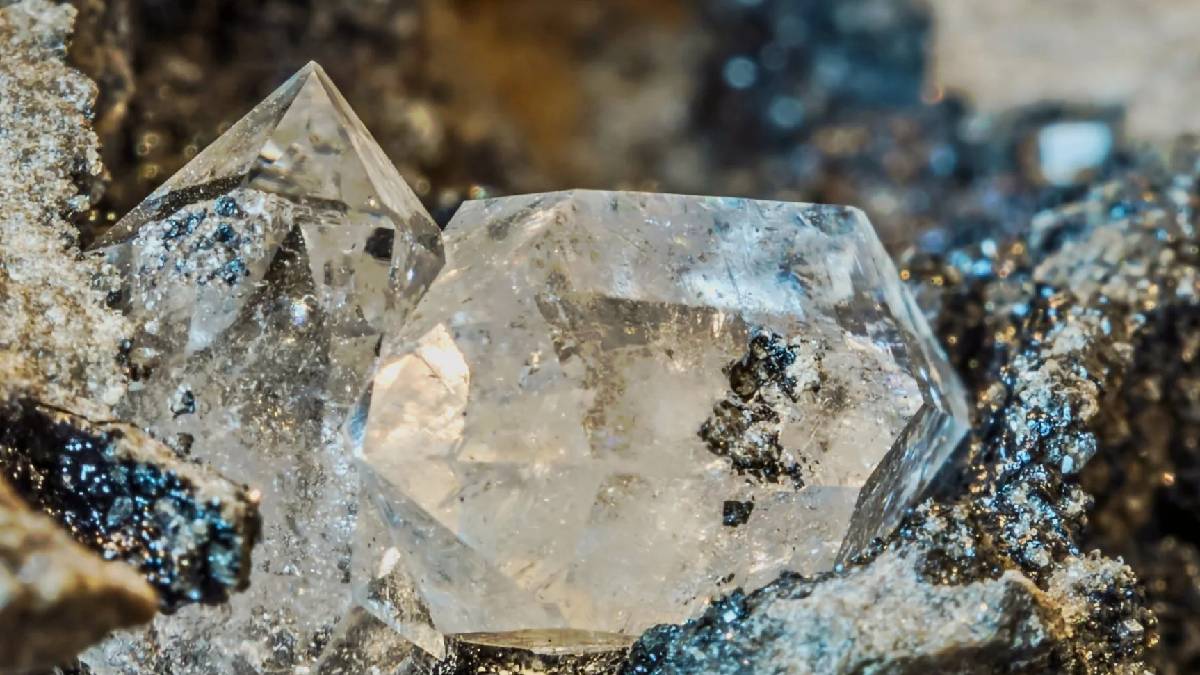
1. Born Deep Beneath the Earth: Natural diamonds form 150-200 kilometres beneath the Earth's surface under extreme heat and pressures of 50,000 times atmospheric pressure.
2. Older Than Dinosaurs: Natural diamonds are 1 to 3 billion years old, a lot older than dinosaurs and among the oldest things you’ve ever seen.
3. Even the Youngest Are Ancient: The youngest known natural diamond is around 42 million years old - formed long before modern human civilisation.
4. Extraordinarily Rare : All one-carat diamonds mined globally in one year could fit inside one exercise ball. All five-carat diamonds would barely fit into a basketball.
5 .Each Diamond Is Unique: Like a snowflake, each natural diamond is unique. Its inclusions (or birthmarks) form a unique internal pattern. The same is true for them in geological research and understanding about the formation and evolution of Earth.
6 .Fully Traceable from Mine to Market: Traceability is very much a pillar of the natural diamond industry. Blockchain and advanced technology make there more transparency in the entire supply chain. From mining to retail, traceability systems that are robust to meet international social and environmental standards and ensure that we don’t simply look at mining from a single place in the supply chain and then sell it in the middle.
7. Ethically sourced and conflict-free: Ethical sourcing are the key ingredients in the industry. All rough diamond trade is regulated by the Kimberley Process Certification Scheme (KPCS) to ensure it is conflict-free. Strong audits, global standards and supply chain checks of supply chain integrity are put in place to ensure accountability at all stages of the process are in place at every stage of the industry.
8. Declining supply, no new mines: Global diamond recovery has dropped 30% since its peak in 2005. In the last three decades, there have been no major new diamond mines.
9. Committed to Sustainability: The natural diamond industry is committed to reducing carbon footprint. As well as 84% of the water used in recovery is recycled and up to 99% of the waste is rock. De Beers Group is committed to carbon neutrality by 2030, and Rio Tinto has a goal of net-zero emissions by 2050. There is biodiversity in areas much larger than the land mined.
10. A Force for Good: The natural diamond industry supports approximately 10 million livelihoods around the world. It provides healthcare for more than 4 million people, it also leads to the education of more than 500,000 children and it conserves over 2,800 square kilometres of land—four times the amount of land that currently mines.