
High uric acid levels in the blood — known medically as hyperuricemia — can lead to serious health issues such as gout, kidney stones, and joint inflammation. This condition occurs when the body either produces too much uric acid or fails to excrete it efficiently through the kidneys. Over time, uric acid can crystallize in the joints, causing pain, swelling, and stiffness — symptoms commonly associated with gout attacks.
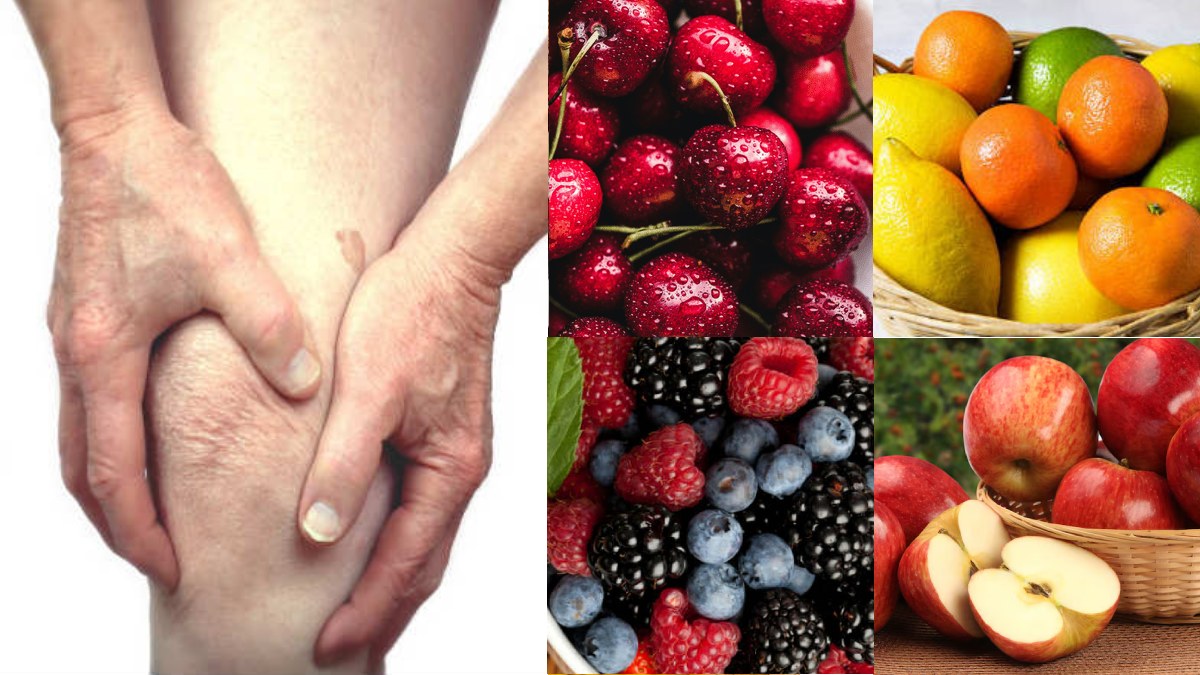
While medications and lifestyle changes are important for managing uric acid, diet plays a crucial role. Among dietary strategies, eating specific fruits can be an effective, natural way to lower uric acid levels and prevent flare-ups.
Here’s a detailed look at five fruits scientifically known to help manage uric acid levels, along with their health benefits, nutritional components, and how to include them in your daily diet.
1. Cherries – The Ultimate Gout-Relief Fruit
Why cherries are powerful:
Cherries are often regarded as one of the best natural remedies for gout and high uric acid. They contain anthocyanins, powerful antioxidants with anti-inflammatory properties that help reduce uric acid levels and prevent crystal formation in the joints.
Scientific backing:
A study published in Arthritis & Rheumatism found that gout patients who consumed cherries daily had a 35% lower risk of gout attacks compared to those who didn’t. The antioxidants in cherries also help neutralize free radicals that trigger inflammation.
How to include:
- Eat 10–15 fresh cherries daily, or drink a small glass of unsweetened cherry juice.
- Tart cherries (Montmorency) are especially effective.
- You can add them to smoothies, salads, or oatmeal.
Pro tip: Avoid canned cherries packed in syrup — the added sugar can raise uric acid levels.
2. Apples – Natural Detoxifiers for Uric Acid
Why apples help:
Apples are rich in malic acid, which helps neutralize uric acid in the bloodstream. This reduces the risk of uric acid crystals accumulating in the joints and kidneys. Apples also have pectin, a soluble fiber that aids digestion and detoxification.
Nutritional benefits:
- Lowers inflammation
- Supports kidney health
- High in fiber and Vitamin C
How to include:
- Eat one fresh apple daily, preferably with the peel for maximum fiber.
- You can blend apple slices with spinach and lemon for a cleansing smoothie.
- Avoid sugary apple juices — they can have the opposite effect.
Pro tip: Green apples are particularly effective for balancing uric acid levels.
3. Citrus Fruits – Vitamin C Powerhouses
Why they’re effective:
Citrus fruits like oranges, lemons, and grapefruits are rich in Vitamin C, which helps lower uric acid levels by improving kidney filtration and enhancing uric acid excretion through urine.
Scientific insight:
Research published in the Archives of Internal Medicine suggests that people who consume higher Vitamin C intake have significantly lower serum uric acid levels.
Best options:
- Oranges
- Sweet lime (mosambi)
- Lemons
- Grapefruits
How to include:
- Drink a glass of fresh orange or lemon water every morning.
- Squeeze lemon juice into salads or herbal teas.
- Snack on fresh citrus fruits between meals.
Pro tip: Always consume whole fruit instead of packaged juices to avoid excess sugar and preservatives.
4. Berries – Antioxidant-Rich Uric Acid Fighters
Why berries work:
Berries like strawberries, blueberries, and blackberries are rich in flavonoids, anthocyanins, and Vitamin C, which collectively help reduce inflammation and oxidative stress associated with high uric acid levels.
Health benefits:
- Reduce swelling and pain caused by gout
- Boost kidney function
- Strengthen immunity
How to include:
- Add a handful of mixed berries to your breakfast yogurt or oatmeal.
- Blend them into smoothies or eat them as a mid-day snack.
- Use frozen berries if fresh ones aren’t available.
Pro tip: Combine berries with chia seeds or oats for an anti-inflammatory, fiber-rich meal.
5. Watermelon – The Hydration Hero
Why watermelon helps:
Watermelon is made up of over 90% water, making it an excellent fruit for flushing out toxins, including uric acid. Its high citrulline content helps reduce uric acid buildup and supports healthy kidney function.
Nutritional highlights:
- Lowers body acidity
- Keeps you hydrated
- Reduces risk of uric acid crystal formation
How to include:
- Eat a cup of watermelon as a mid-morning snack.
- Blend into smoothies with mint or cucumber.
- Enjoy fresh watermelon juice without added sugar.
Pro tip: Avoid pairing watermelon with heavy meals — eat it on an empty stomach for best detox benefits.
Additional Tips to Naturally Lower Uric Acid
- Stay Hydrated: Drink at least 2–3 liters of water daily to help flush uric acid out through urine.
- Limit Purine-Rich Foods: Avoid red meat, organ meat, shellfish, and high-purine vegetables like spinach and mushrooms.
- Cut Down on Sugar & Alcohol: Sweetened beverages and alcohol (especially beer) increase uric acid production.
- Maintain a Healthy Weight: Obesity is linked to higher uric acid levels, so regular exercise and portion control are essential.
- Add Fiber-Rich Foods: Oats, lentils, whole grains, and vegetables help absorb and eliminate excess uric acid.
Managing high uric acid levels doesn’t always require complicated treatments — nature offers several solutions right on your plate. Including fruits like cherries, apples, citrus fruits, berries, and watermelon in your daily diet can make a significant difference in lowering uric acid naturally and preventing painful gout attacks.
Their blend of antioxidants, vitamins, and anti-inflammatory compounds not only supports kidney function but also improves digestion, immunity, and overall skin health.











Comments
Leave a Comment