
Winter brings with it cold winds, cozy blankets, and a craving for warm, energy-rich foods. Among the healthiest natural foods to include in your winter diet are dates (khajoor). Often called the “fruit of paradise”, dates are packed with essential nutrients like iron, potassium, magnesium, calcium, fiber, and natural sugars. They are a powerhouse of instant energy and warmth, making them an ideal winter superfood.
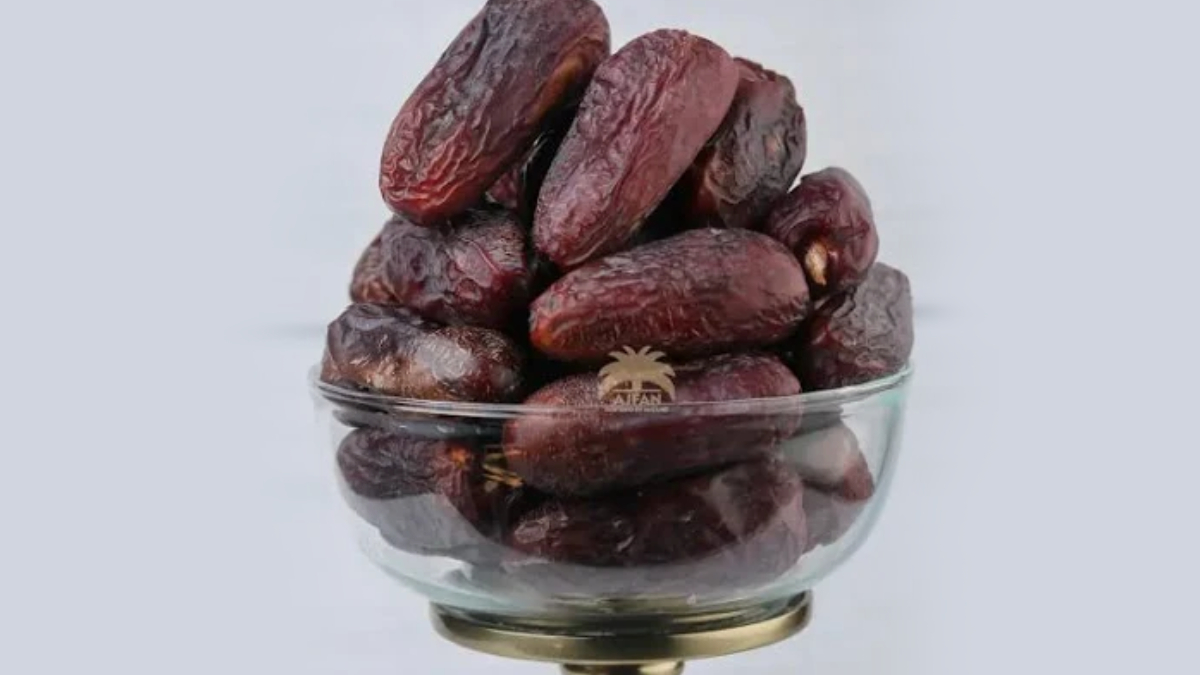
In many cultures, especially in the Middle East and South Asia, dates are consumed daily during the colder months to strengthen the body, improve stamina, and maintain internal warmth. Let’s explore the numerous health benefits of eating dates in winter and why they deserve a place in your diet this season.
1. Natural Source of Warmth and Energy
During winter, our body needs more energy to maintain warmth and support metabolism. Dates are rich in natural sugars like glucose, fructose, and sucrose, which provide an instant energy boost. Just a handful of dates in the morning can keep you active and warm throughout the day.
The high carbohydrate content (around 70%) in dates helps generate body heat, making them a perfect natural alternative to sugary snacks or caffeine-based drinks.
2. Boosts Immunity and Fights Infections
Dates are loaded with antioxidants, vitamins A, B6, and C, and minerals such as zinc and magnesium that strengthen your immune system. These nutrients help your body fight common winter ailments like cold, cough, and flu.

The antioxidants, including flavonoids and phenolic acid, neutralize free radicals and protect cells from damage, reducing inflammation and boosting overall immunity.
3. Improves Digestion and Relieves Constipation
Cold weather often slows down digestion and can lead to constipation. Dates are an excellent source of dietary fiber, which aids in proper digestion and bowel movement.
Soaking 2–3 dates overnight and eating them in the morning can help cleanse the digestive system, prevent constipation, and improve gut health. They also stimulate the growth of beneficial gut bacteria, ensuring smoother digestion during the winter months.
4. Good for Heart Health
Dates help maintain cardiovascular health by lowering bad cholesterol (LDL) and improving good cholesterol (HDL) levels. The potassium and magnesium in dates regulate blood pressure, while the antioxidants help prevent arterial blockages.
Including dates in your winter diet supports healthy blood circulation, which is especially beneficial when physical activity levels decrease in colder weather.
5. Enhances Bone Strength
Winter often brings joint stiffness and pain, particularly for older adults. Dates are packed with calcium, phosphorus, magnesium, and potassium — all of which are vital for bone strength and density.
Regular consumption of dates helps prevent bone-related issues like osteoporosis and arthritis, ensuring better mobility and flexibility during the colder months.
6. Promotes Healthy Skin and Hair
Winter dryness can cause dull skin and brittle hair. Dates, being rich in vitamin C, D, and antioxidants, help maintain skin elasticity, prevent wrinkles, and hydrate the skin from within.
The iron content in dates improves blood circulation, giving your skin a healthy glow. Regular intake also nourishes hair follicles, reducing hair fall and promoting stronger, shinier hair.
7. Aids Weight Management
While dates are sweet, they can help in controlling weight when eaten in moderation. The natural sugars satisfy sweet cravings without resorting to processed desserts. The fiber content keeps you feeling full for longer, preventing overeating and frequent snacking.
For those looking to gain healthy weight, combining dates with milk or ghee can provide essential calories and nutrients to build strength and stamina during winter.
8. Supports Brain and Nervous System Health
Dates contain vitamin B6, potassium, and magnesium, which play a crucial role in improving brain function and nerve health. Regular consumption helps improve memory, concentration, and mood — making them beneficial for students and professionals during long winter workdays.
9. Balances Hormones and Improves Reproductive Health
Dates are known to enhance reproductive health for both men and women. The amino acids, natural sugars, and minerals in dates help regulate hormones, increase libido, and improve fertility. Women who suffer from irregular cycles during the cold season can benefit from the iron and minerals found in dates.
10. Helps in Detoxification
Dates help flush out toxins from the body, particularly from the liver. Their antioxidant content supports liver function and detoxification, ensuring your body remains clean and energetic through the sluggish winter months.
Best Ways to Eat Dates in Winter
-
With warm milk: Soak 2–3 dates overnight and consume them with milk in the morning.
-
Stuffed dates: Fill dates with almonds or walnuts for a healthy snack.
-
Date smoothie: Blend with milk and banana for a natural energy shake.
-
Date laddoo: Combine dates with dry fruits and ghee to make nutritious winter sweets.
Dates are nature’s gift — a complete package of nutrition, energy, and health benefits. Eating 3–5 dates daily in winter not only provides warmth and strength but also keeps your immunity strong and digestion healthy. Whether eaten raw, soaked, or combined with milk and nuts, dates can transform your winter diet into a source of vitality and wellness.











Comments
Leave a Comment