When November and February are around, the days get shorter, temperatures drop and sunlight is less frequent. For many people these seasonal changes lead to sadness, low energy and lack of motivation. While it is normal to feel less enthusiastic during winter months, some people have a more serious condition known as Seasonal Affective Disorder (SAD) or winter depression.
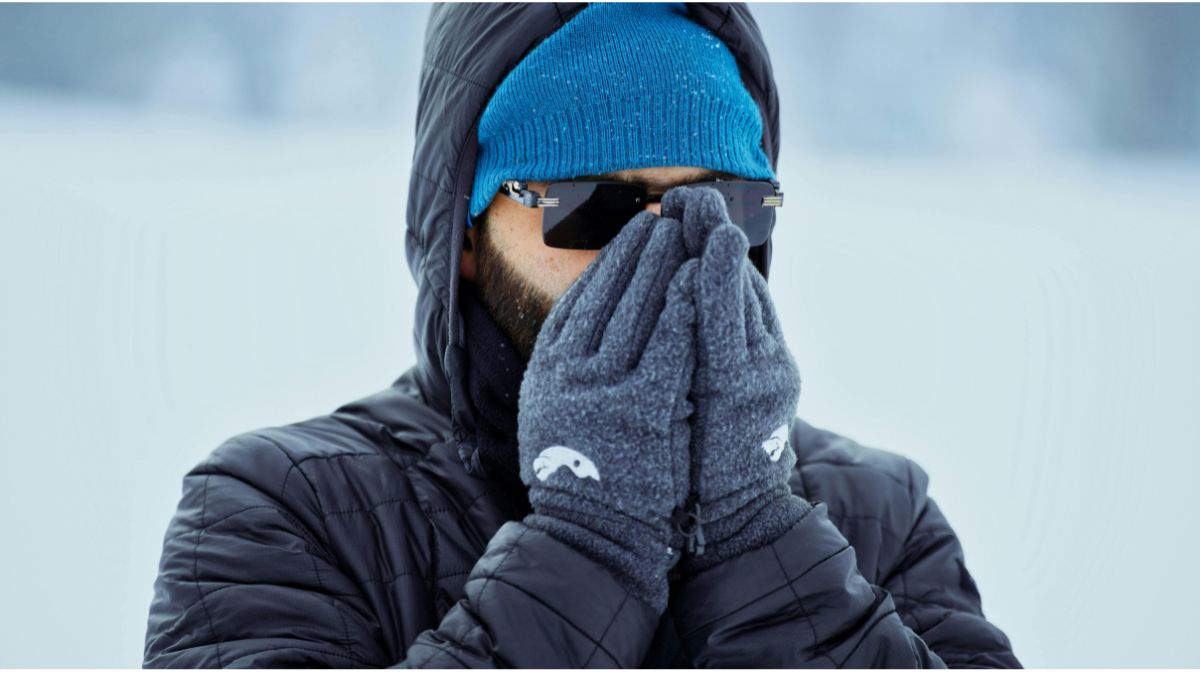
SAD is a well-known form of depression that has a seasonal pattern, usually beginning in late fall and improving during spring and summer. Understanding its causes, symptoms and available treatments can help people manage the condition better.
What is Seasonal Affective Disorder, SAD
Seasonal Affective Disorder is a form of depression associated with seasonal changes and the fall and winter months are the most common ones in which daylight hours are shorter.
Seasonal Affective Disorder (SAD) was coined in 1984 in the presence of psychiatrist Dr. Norman E. Rosenthal, who linked less sunlight exposure to changes in the brain’s mood regulating systems.
People with SAD often feel sadness, hopelessness, fatigue, loneliness and social withdrawal in the darker months of the year.
Why does SAD happen
Although the exact cause is not well-understood, the researchers believe that several factors are responsible for SAD:
Reduced exposure to natural sunlight. Disruptions to the body's internal biological clock (circadian rhythm). Changes in serotonin levels, a neurotransmitter that influences mood. Alterations in melatonin production which impacts sleep patterns.
These biological changes can negatively affect mood, energy levels, and overall well-being.
How common is Seasonal Affective Disorder
Seasonal Affective Disorder is a type of depression linked to seasonal changes, most commonly occurring during the fall and winter months when daylight hours are shorter.
Common Symptoms of SAD
The symptoms usually start in late autumn or early winter and improve with daylight in spring.
Common symptoms include:
- Persistent sadness
- Low energy or fatigue
- Difficulty concentrating
- Increased sleep or oversleeping
- Changes in appetite often craving carbohydrates
- Weight gain
- Loss of interest in activities
- Social withdrawal
- Feelings of hopelessness
People with severe or persistent symptoms should be assessed by a qualified healthcare professional.
Light Therapy: Proven Treatment
Light therapy (bright light therapy) is one of the most commonly recommended treatments for Seasonal Affective Disorder.
Research suggests that many people with SAD experience significant symptom improvement after using a specialized light therapy box.
How Light Therapy Works
In contrast to the classic indoor lighting, therapeutic light boxes emit bright light that mimics natural daylight.
For comparison:
- Typical indoor lighting gives about 200-500 lux
- Effective light therapy devices provide 10,000 lux (many modern clinical devices) and this can shorten the treatment time
- Bright outdoor sunlight can reach 100,000 lux on a clear summer day
Many people use a light therapy box for 20-30 minutes each morning, but the time should follow a manufacturer's recommendation or a healthcare provider's recommendation.
Other Treatment Options
Light therapy is very effective for many people, but additional treatments may be recommended depending on symptom severity.
These include:
Psychotherapy.
Cognitive Behavioral Therapy (CBT) for SAD (especially CBT designed for depressed patients) has been shown to promote healthier thought patterns and coping strategies.
Medication
If there are moderate to severe symptoms, healthcare providers can prescribe antidepressant medications as appropriate.
Treatment decisions should always be made in consultation with a medical professional.
Does location affect SAD
Research has shown that Seasonal Affective Disorder is more common in areas further north or south of the equator, where winter daylight hours are shorter.
In tropical regions, however, SAD is generally less common and sunlight remains relatively consistent throughout the year.
Although relocating isn't practical for most people, spending time outdoors during daylight hours even on cloudy days may help improve mood.
What are lifestyle tips to combat Winter Depression
Besides treatment from professionals, several healthy habits may help reduce symptoms:
- Spend time outdoors whenever possible
- Exercise regularly
- Maintain a consistent sleep schedule
- Eat a balanced diet
- Stay socially connected
- Manage stress through relaxation techniques
- Maximize natural light inside your home or workplace
Some people might find that watching uplifting movies or doing recreational activities can temporarily improve mood, but these activities shouldn’t substitute for evidence-based treatment for clinical depression.
When are professionals necessary
If symptoms of depression:
- Last for more than two weeks
- Interfere with work, school, or relationships
- Cause feelings of hopelessness
- Include thoughts of self-harm,
seek immediate evaluation from a healthcare professional or mental health specialist.
Early diagnosis and treatment can significantly improve quality of life.
Seasonal Affective Disorder is a real problem, and people with depression are more often found to have depression in the darker hours of the year. Reduced sunlight, changes in biological function and seasonal patterns are among the causes of the condition. However, effective treatments (light therapy, psychotherapy, medication when needed, and healthy lifestyle habits) can help many people manage their symptoms.
If you have recurring depression in the winter, don’t ignore the signs. Consulting a healthcare provider can help you receive an accurate diagnosis and develop a treatment plan that supports your mental health throughout the season.