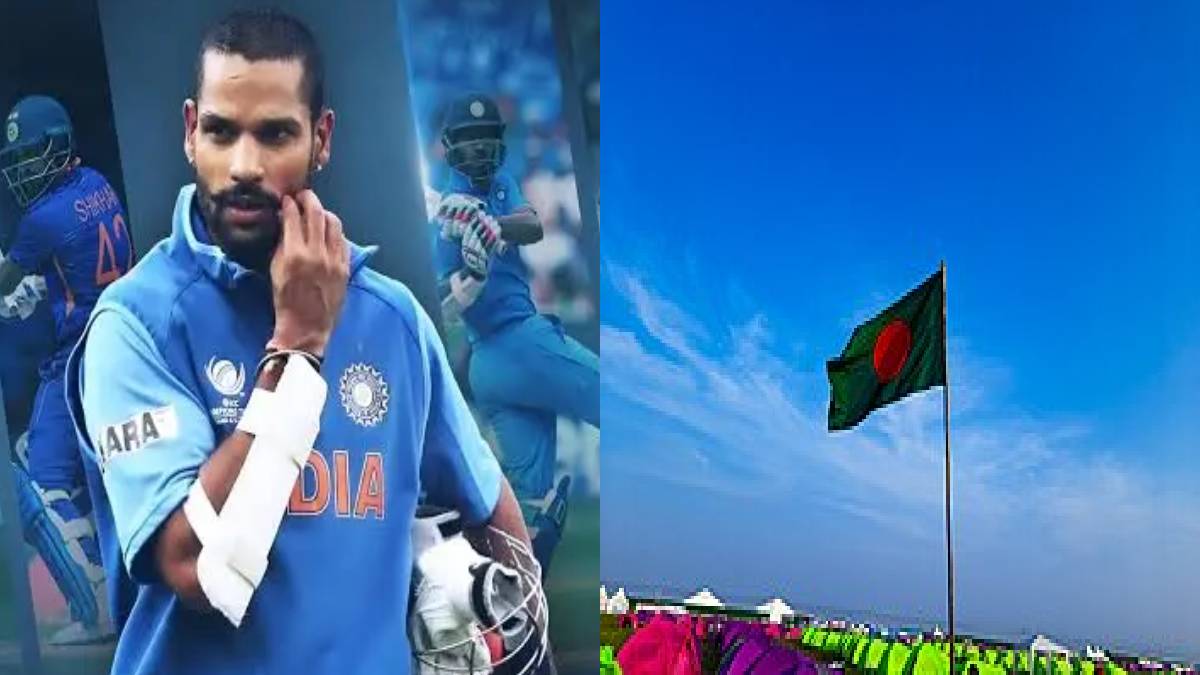
Former India cricketer Shikhar Dhawan has urged students protesting over what they say are procedural lapses in NEET UG 2026 in its preparation to remain patient and trust the institutions and government of the country. His comments come as the nationwide movement by the Cockroach Janta Party (CJP) continues on and the voices from all corners of sports and public life are heard.
Demonstrations have been held across the country and the agitation at Delhi’s Jantar Mantar has taken center stage.
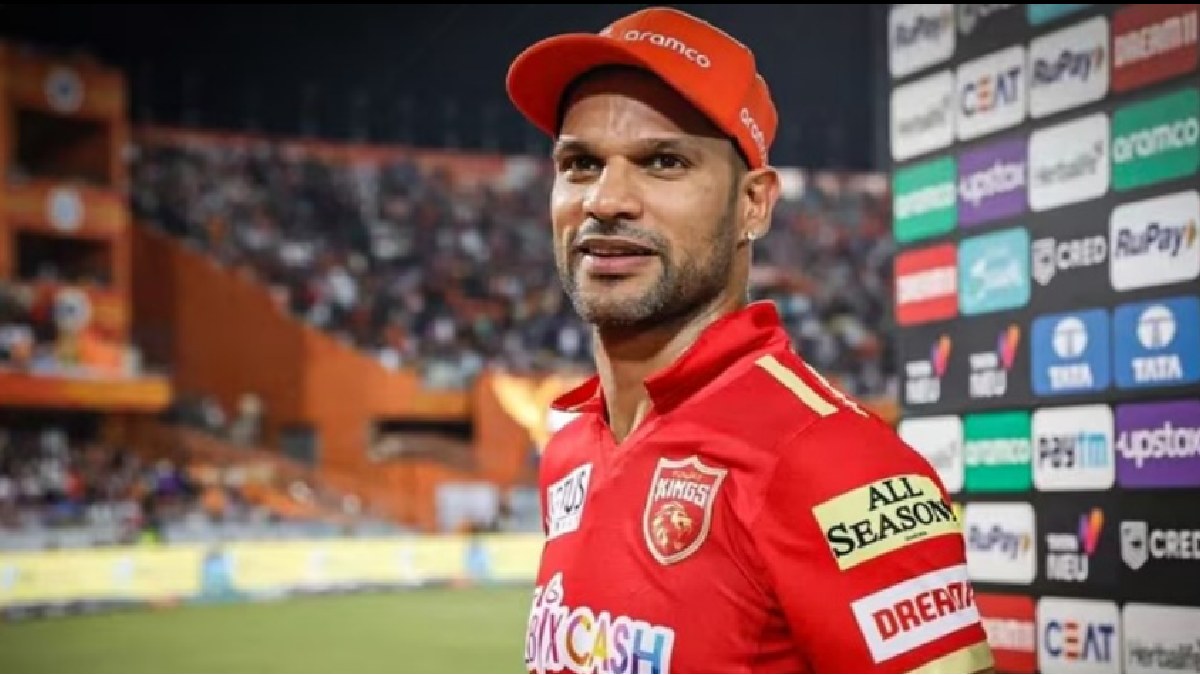
Dhawan said young people have concerns and we should understand their aspirations and frustrations in a statement posted on his X account.
“Our youth are the future of our nation. It is important to know their dreams but at the same time it is equally important to maintain patience when things are tough and trust in the country’s institutions and government,” he said.
Students and protesters in the same situation will need to have patience, Dhawan said.

“I think that the solution to every problem comes from patience, I mean the solution to every problem is with patience. India has always moved forward and will keep going forward and will continue to progress,” he said.
The former cricketer’s comments come as well as more prominent sports personalities getting involved in the student movement. And former India all-rounder Yuvraj Singh had earlier appealed to students, children and citizens to come together and seek a solution through dialogue.
Yuvraj said that every student ought to be able to study in peace, grow safely and pursue their dreams. The government and protesters should have dialogue to come out of this conflict peacefully, he said.
Abhinav Bindra, Olympic gold medallist, has also spoken out about a better education system. Exam integrity should be seen as a bigger problem than political differences, he said.
Why Are Students Protesting?
Student demonstrations began when the NEET-UG 2026 paper leak was reported and there were allegations of cheating in competitive exams. Now the youth movement has developed into a larger movement for accountability and systemic changes.
Some of the main demands made by protesters are stronger safeguards against paper leaks, greater transparency in examination procedures, compensation for students affected by alleged irregularities and the resignation of Union Education Minister Dharmendra Pradhan.
The movement began with demonstrations on June 20 at Jantar Mantar in New Delhi, and gained momentum in the ‘Chalo Sansad’ march on July 20. Thousands of protesters marched towards Parliament, but were stopped by the police, resulting in clashes and intensifying the national debate over the agitation.
The protests have since spread to several states such as Bihar, Maharashtra, Tamil Nadu, Goa and Rajasthan.
A social activist Sonam Wangchuk joined the movement and began an indefinite hunger strike. Despite calls on Wangchuk to abandon his protest, Wangchuk has said he will continue until he is assured that punitive action against protesters will not take place.
As the demonstrations continue, Dhawan’s plea for patience and dialogue is in keeping with a growing call for dialogue and a peaceful solution from public figures. While students maintain a hunger for accountability and reform, several prominent voices have demanded that all sides talk and that the future of India’s youth remain at the forefront.