At the end of the day, how we choose exercises that are effective and are in line with our body shape and muscle build is more important than the degree that training is done (and it should be). While pushing yourself to your limit is important for growth, it’s not enough to do so without injury.
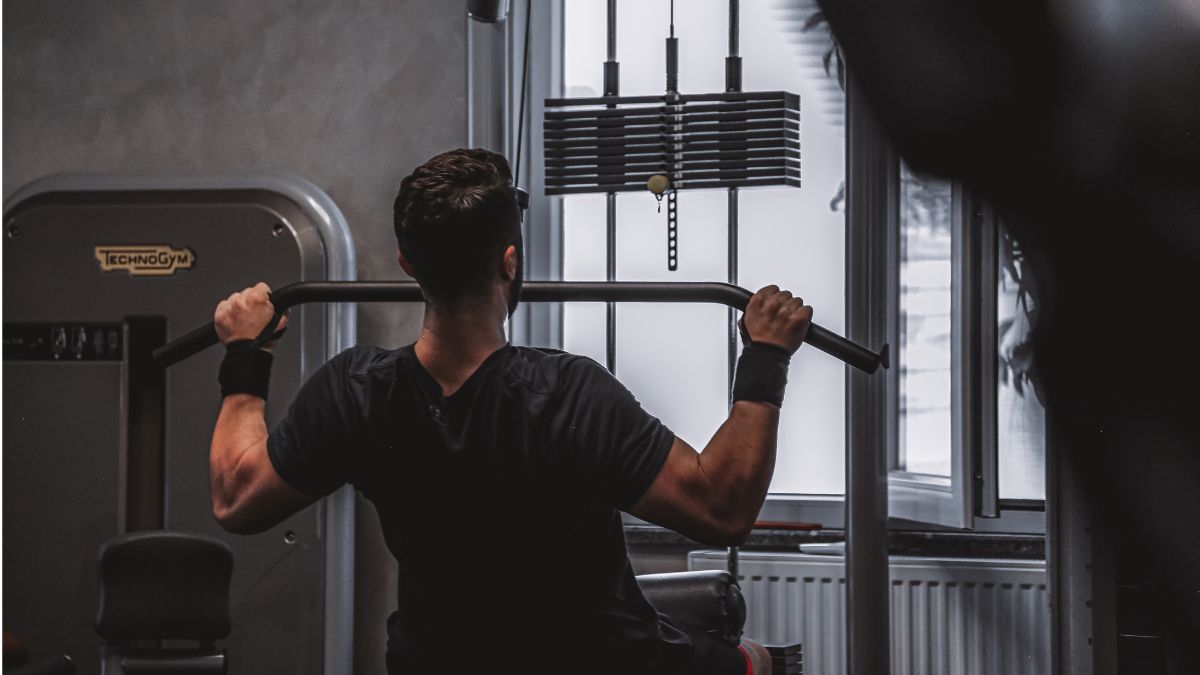
Two exercises that have spurred debate between strength coaches and fitness professionals are Good Mornings and Behind-the-Neck Lat Pulldowns. These are exercises that have been used for decades in bodybuilding programs, yet trainers are now recommending safer alternatives which are comparable although far less risky.
1.So Good Mornings are risky. Why are Good Mornings risky
The Good Morning exercise is aimed at the hamstrings, glutes, lower back, and posterior chain. When it is performed correctly with the right light loads, problems can arise as lifters start lifting more weight.
Many experienced lifters have stories of slowly progressing from an empty barbell to heavy weights only to suffer a sudden back injury or lose control. Because the exercise places the weight across the upper back while requiring a forward hip hinge, any breakdown in technique can place tremendous stress on the lower spine.
Potential risks include:
- Lower back strains
- Lumbar disc injuries
- Hamstring strains
- Loss of balance under heavy weight
- Serious neck or spinal injuries in severe cases
With increasing weights, there is less margin for error.
2. Safer alternatives to Good Mornings.
Not to rely on heavy Good Mornings, do exercises that strengthen the same muscle groups with better stability and lower injury risk.
Effective alternatives include:
- Conventional deadlifts
- Romanian deadlifts
- Stiff-legged deadlifts
- Hip thrusts
- Back extensions
- Glute bridges
These exercises effectively train the posterior chain while minimizing the amount of unnecessary spinal stress when performed with proper technique.
3. The problem with Behind-the-Neck Lat Pulldowns
Behind-the-neck lat pulldowns used to be a popular bodybuilding exercise. But so many trainers now discourage it because it forces the shoulders to be in an unnatural position.
Pulling a heavy bar behind the head places excessive stress on:
- Shoulder joints
- Rotator cuff muscles
- Neck muscles
- Upper back
As the weight increases, so does the risk of shoulder impingement, muscle strain, or reduced shoulder mobility.
4. A Better Way to Perform Lat Pulldowns
Instead of pulling the bar behind your neck, pull it to the front of your upper chest.
Front lat pulldowns have several advantages:
- More natural movement pattern
- Better shoulder positioning
- Reduced injury risk
- Excellent activation of the latissimus dorsi
- Easier to maintain proper posture
The same is true for pull-ups: bringing your chin over the bar in front is usually safer than trying behind-the-neck variations.
5. Results, Not Risk.
Bodybuilders make one of the biggest mistakes by assuming that a harder or unusual exercise automatically results in better results.
In reality, muscle growth depends on:
- Progressive overload
- Proper technique
- Consistent training
- Adequate recovery
- Good nutrition
Exercises that increase injury risk in a way that is excessive rarely have any additional muscle-building effects.
Safe Strength Training Tips.
To minimize the risk of injury and maximize the gains:
If you have sharp pain, stop immediately. You will benefit from controlled movement instead of heavy lifting.
- Always warm up before lifting
- Note that you should master proper form before you start to increase weight
- Your resistance should gradually increase
- Choose exercises that are appropriate for your mobility and experience level
Building muscle should never come at the expense of your long-term health. Good Mornings and Behind-the-Neck Lat Pulldowns have been popular bodybuilding exercises for years; many lifters can achieve the same or even better results with safer alternatives.
Deadlifts, Romanian deadlifts, and front lat pulldowns are useful to strengthen the same muscle groups while placing less stress on the spine and shoulders. Smart exercise choices help you stay healthy, train consistently, and keep the results coming for years to come.