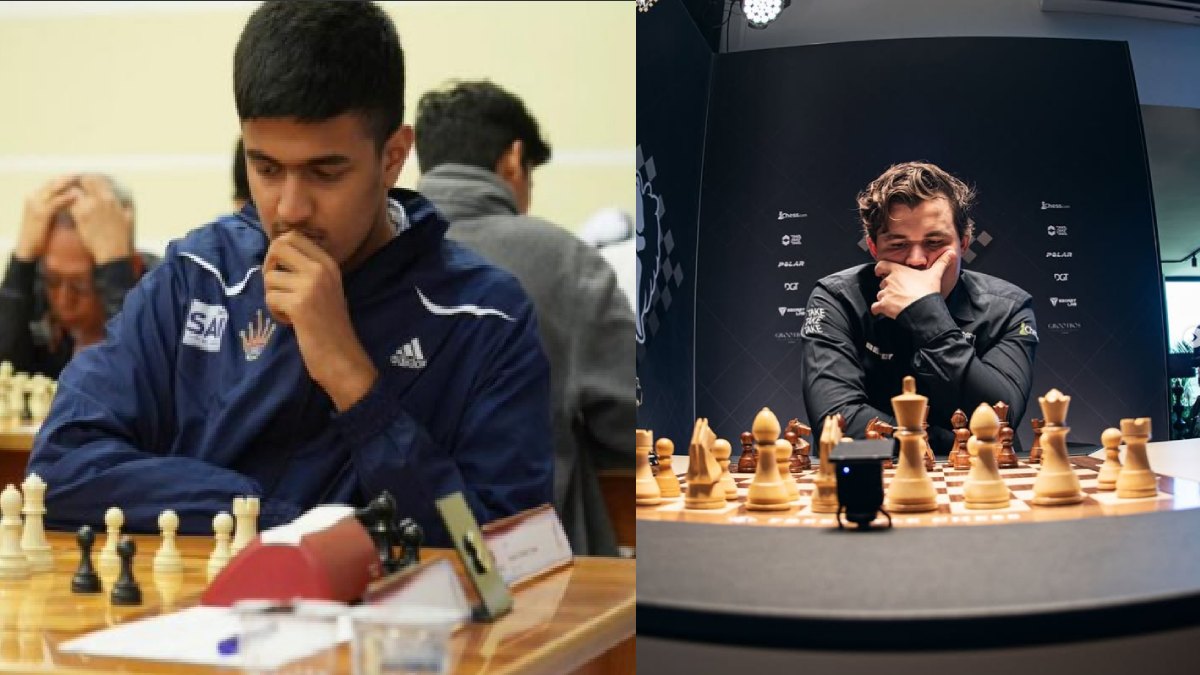
When we start the new year, many people consider what it is we’re going after, our habits, and the purpose of this life. Resolutions may emphasize some sort of external victory, but long-lasting change starts with a decision we can take from the deepest root: the first step of choosing oneself. Choosing oneself means you can identify patterns that are no longer helpful for you to grow in, and that is where you choose to consciously disengage from them.
This inhibits real progress because repeated overthinking, delay in action, and fear of uncertainty are the norm. Rather than waiting for the perfect conditions, good change has to take action that is purposeful, measured, and consistent. Personal development is seldom that easy or neat. You make a move forward when you know, learn, learn, and then adapt if necessary. Readiness is not an antecedent of readiness—readiness comes from what is done. There are also some gains that simply add benefits that, when sustained for the long term, are considerable improvements.
In this case, courage is the ability to move forward in the face of uncertainty. It is the discipline to persevere when belief is still emergent. Growth happens when you don’t just become greater when you push (think of yourself); people grow when you step up and tackle problems, not when you find and face problems head-on and face hardship by not avoiding them, or, in fact, when you don't avoid them.
Deciding for one's own interests and choice also means to act to one’s core, and defining oneself is to carve out boundaries and make decisions that align with not just values. And by directing one's activity towards choice, but when the motive behind the action is a purpose-oriented decision-making process rather than an impulse to avoid doing things according to external expectations, it is an inner misalignment with the other’s desires, and it results in stronger selflessness and therefore concentration, adaptation, resilience, and stability. This alignment forms the basis of both professional productivity and personal well-being.
By the end of this year, selecting oneself can be described as:
Strategic intervention instead of lengthy premeditated efforts. Stagnation vs steady progress. Flexibility replaces fear of imperfection. This is better than passively making decisions with intent behind them. Choosing oneself means that, at the end of the day, not becoming who you are is new; you should be doing it with your head held high and your eyes on the prize. It is an intentional investment in long-term growth, impact, and integrity.