Health experts around the world have issued a fresh warning about the possibility of a future pandemic caused by a mysterious and unknown pathogen referred to as “Disease X.” The term is used by scientists to describe a potential infectious disease that could emerge unexpectedly and spread rapidly across the globe.
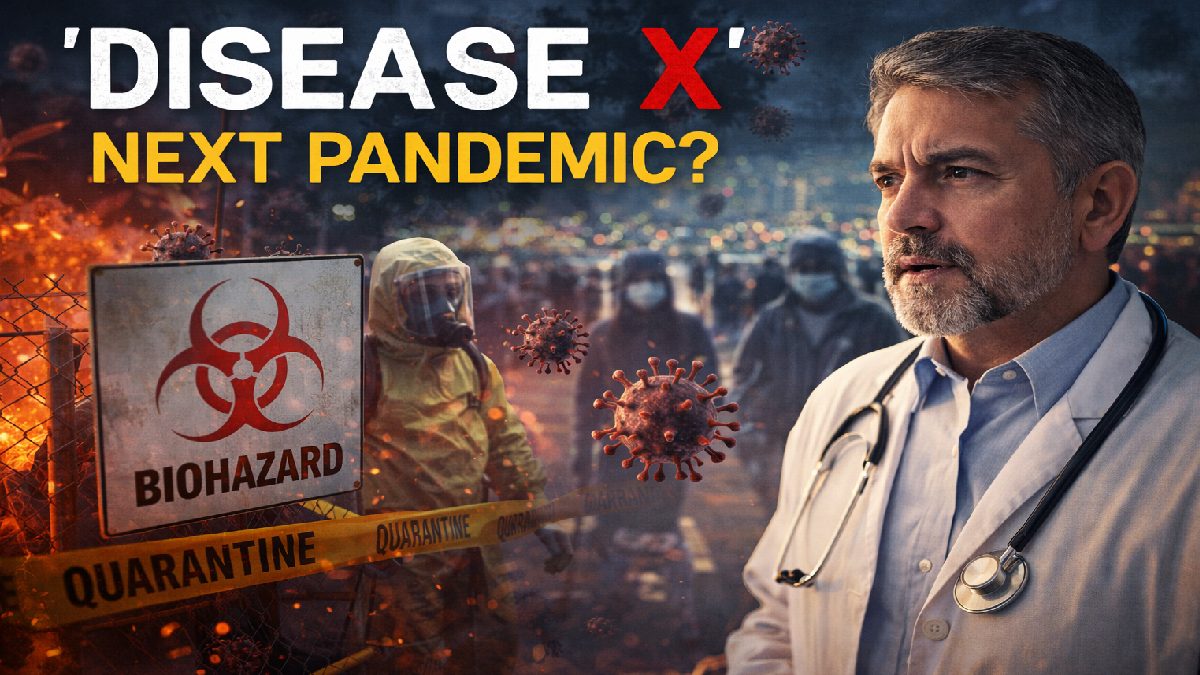
The concept of Disease X was first introduced by the World Health Organization to highlight the threat posed by unknown pathogens that could lead to serious international outbreaks. According to medical experts, the next pandemic may not necessarily come from a known virus but could arise from a completely new disease that scientists have not yet identified.
Doctors and global health researchers have warned that increasing urbanization, climate change, deforestation, and global travel are creating conditions that allow new infectious diseases to spread more easily among humans.
Health specialists say that many past outbreaks—such as COVID-19, Ebola, and Zika Virus—originated from animals before crossing into humans, a process known as zoonotic transmission. Experts fear that a similar event could trigger the next global health crisis.
Medical professionals are urging governments to strengthen disease surveillance systems, invest in research, and improve global pandemic preparedness. Early detection and rapid response mechanisms are considered crucial in preventing a new outbreak from escalating into a global emergency.
Researchers are also working on developing flexible vaccine technologies that can be quickly adapted to combat new pathogens if they emerge. The experience gained during the COVID-19 pandemic has significantly improved global response strategies, but experts warn that preparedness must continue to improve.
The World Health Organization has repeatedly emphasized that international cooperation, strong healthcare systems, and public awareness are essential to mitigate the risks posed by emerging diseases like Disease X.
While there is currently no confirmed outbreak of such a disease, scientists stress that planning for the unknown is essential to protect global health and prevent future pandemics.