There’s a controversy online over a viral video of an Aldi supermarket in America. In the clip, a woman strolls through the aisles, gesturing to labels on packaged foods and exclaiming, “All of the food is fake!” She insists that nearly everything on the shelves is made with “bioengineered ingredients.” The video spread rapidly across YouTube, Instagram, and TikTok, igniting discussions around food safety, labeling, and consumer awareness.
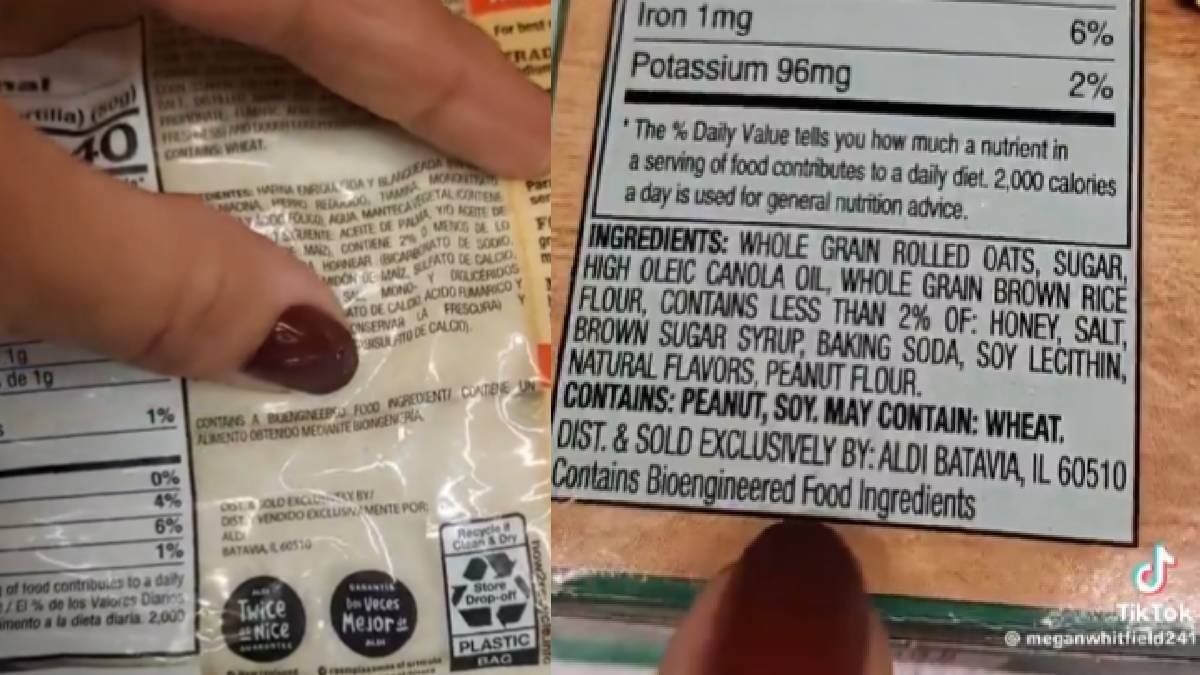
This woman in the video lists cereals, bread, frozen meals and snacks, all with the “bioengineered food ingredients” line on the product’s packaging. That shows the products are not real food, she argues. Some viewers believed she was debunking GMOs and therefore were supportive; some, however, criticized her for spreading misinformation.
Under U.S. law, food companies have been required to disclose whether their products contain genetically modified ingredients since January 2022. These are crops that have been altered (e.g., corn, soy, canola, sugar beets) for pest resistance, or for improved yield. "Bioengineered" is just legal language for GMO labeling. Major health authorities such as the FDA, USDA, and World Health Organization have repeatedly said that GMO foods are safe to eat and also have the same nutritional properties as those found in non-GMO foods.
The video caused mixed emotions. Some viewers agreed with the woman, saying they avoid GMOs and prefer organic products. Others noted that calling food “fake” is misleading since bioengineered ingredients are widely used and regulated. Discussions on social media quickly became debates on food transparency, consumer choice, and trust in science.
The incident calls attention to a few key points:
- Consumer Awareness: Lots of shoppers are still unsure what “bioengineered” actually means.
- Food Marketing: Non-GMO and organic tags are common to appeal to health-conscious consumers.
- Public Trust: Viral assertions can fuel panic even when scientific consensus supports the opposite.
- Food Security: GMOs are essential for global agriculture to boost production and reduce pesticides.
The Aldi video is real, but the claim that “all the food is fake” isn’t true. The “bioengineered” label is based on U.S. law enforcing transparency and not as a warning about harm. The video has stoked the debate, but experts stress that GMO foods are safe and an important part of modern agriculture. The controversy illustrates how influential social media can be in influencing public sentiment regarding seemingly everyday products.