A conversation between a young woman and a gynecologist has highlighted the serious physical and emotional toll repeated miscarriages and pregnancy-related health risks carry.
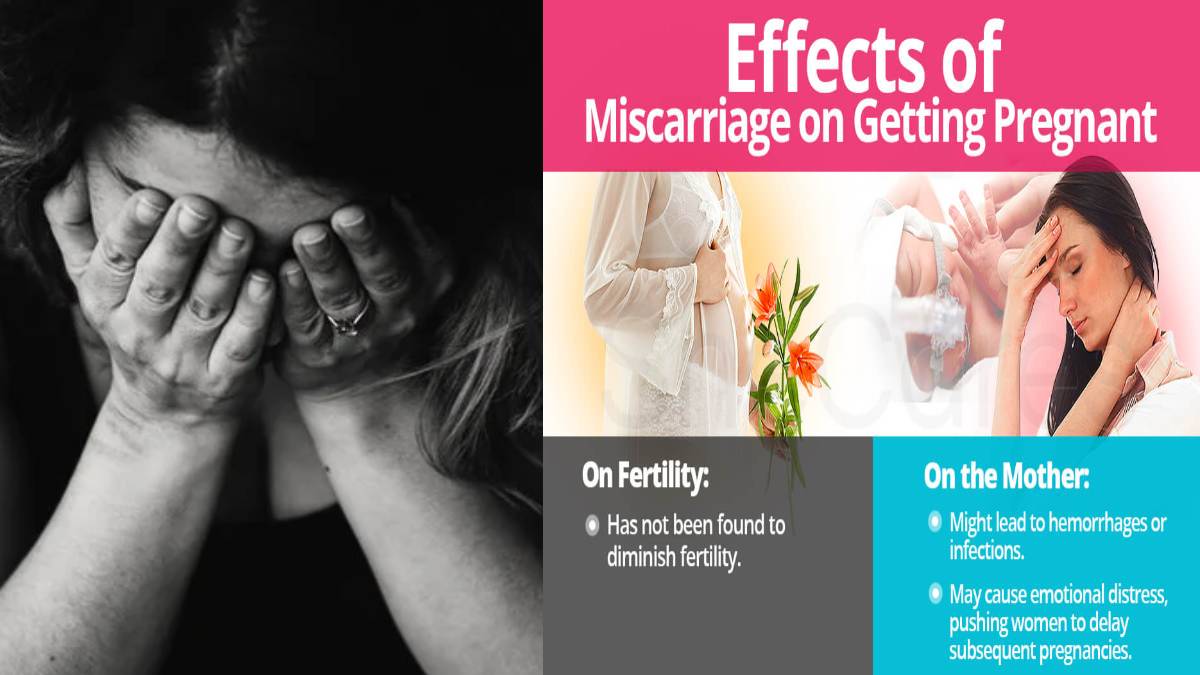
According to the account from the consultation, the 25-year-old woman visited a gynecologist after another miscarriage. She told the doctor that her husband wanted another baby, but she did not want to get pregnant again, she said.
The doctor was taken aback after learning that the woman had suffered eight miscarriages. The doctor asked whether she had considered the impact on her health of another pregnancy and asked about her age.
The woman stated she was only 25 years old and already had three children. Her husband works as an auto-rickshaw driver, and she felt unable to convince him to stop trying for another child.
The doctor then asked the woman about her physical condition, saying she had been weak after several miscarriages and her blood levels were also low. Rather than address the immediate medical problem, the doctor asked her to bring her husband to a future consult so that the risks could be explained to both of them.
A girl went to a gynecologist for treatment after a miscarriage.
— Lakshay Mehta (@lakshaymehta08) August 17, 2026
GIRL: My husband wants another baby. I’m telling him no, but he won’t listen.
DOCTOR: After 8 miscarriages, you still want to try for 9th time? Are you thinking about yourself? How old are you? 😧
GIRL: I’m 25… pic.twitter.com/2zgftUBYU7
The exchange speaks to fundamental issues of reproductive health and policymaking. Women's health, wishes, and consent are at the heart of pregnancy decisions: recurrent pregnancies and miscarriages need to be carefully weighed with medical care if the patient is not well or has health problems or nutritional deficiencies.
Recurrent pregnancy loss is a problem with many possible causes, and investigating the cause can take several layers of research. Doctors are concerned about a patient’s medical history, reproductive history, hormonal factors, anatomical problems, genetic factors, and other factors. In some cases, no one cause is identified immediately.
The emotional impact can be great too. A miscarriage can be painful, and repeated pregnancy losses can add much psychological distress. Medical professionals may recommend counselling and follow-up along with physical evaluation.
The conversation also underscores the need for pregnancy plans to be discussed with both partners. But sexual agreement between partners will not replace informed consent by the pregnant person. A woman should be able to talk to her doctor about her reproductive choices and make decisions without being coerced or pressured.
In the case described, the doctor seemed to have focused on communicating the potential health risks directly to the husband. Asking him to undergo a consultation might allow a medical professional to explain why another pregnancy may require careful consideration and evaluation.
The woman’s low blood levels are another issue. Anaemia or other nutritional deficiencies can affect overall health and may require treatment and monitoring. A doctor may check haemoglobin levels and nutritional status after multiple pregnancies or pregnancy loss and tell a woman if she is pregnant and to take care of it in case she loses a pregnancy.
This case is a reminder that reproductive care should not only be about miscarriage. Patients who have recurrent pregnancy losses should receive an assessment, counselling and follow-up care before they can consider having another pregnancy.
It also demonstrates why, when women are worried about pregnancy, we listen. A decision on when and how to have another child has huge physical, emotional and financial consequences.
For couples who are experiencing recurrent miscarriage, medical advice should be sought from a gynecologist or reproductive-health specialist who is qualified to provide professional care. Each patient is unique, and treatment or future pregnancy planning should be based on individualized medical assessment and not general speculation based on generalization.
The doctor’s response in this case is a broader message: a woman’s health should come before pressure to have another child. With repeated miscarriages, low blood levels and a patient’s own concerns involved, careful medical assessment and respectful communication between the patient, partner and healthcare team are particularly important.