
Mumbai, commonly associated with coastal breezes and monsoon rainfall, saw a significant deterioration of air quality in October 2026. As the monsoon disappeared, pollution levels increased and the city was in the international and national air pollution lists.
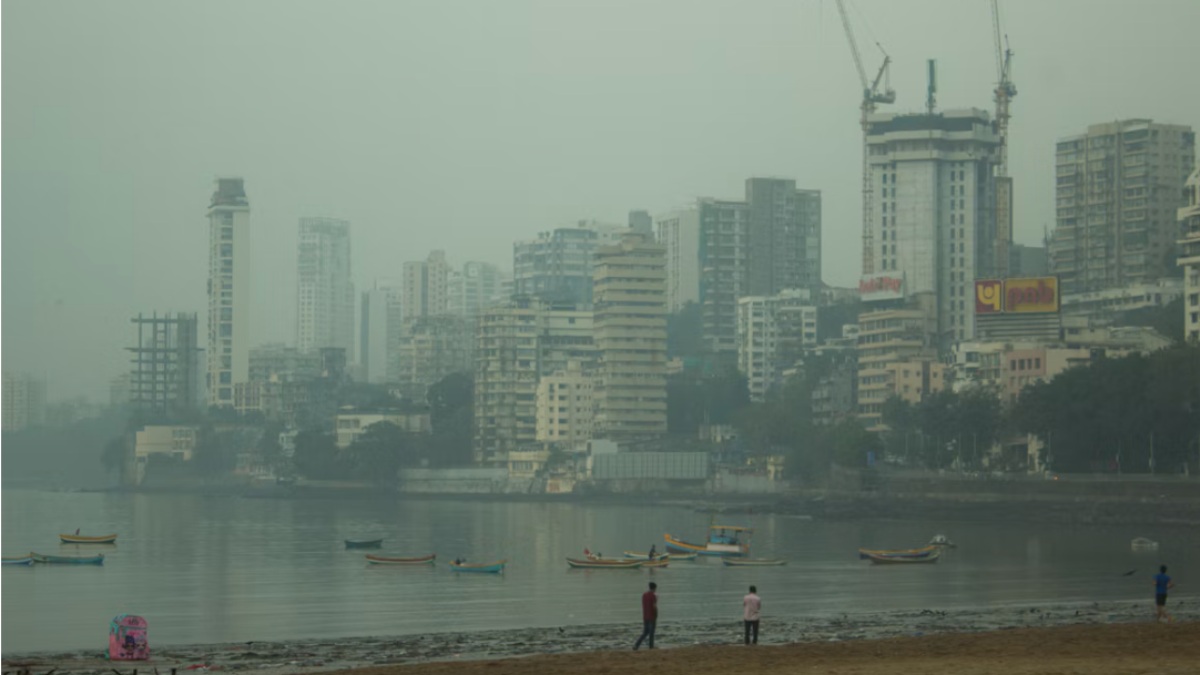
The change has raised concerns about the sources of Mumbai’s pollution and the weather conditions that allow pollutants to accumulate. Delhi is well-known to have the worst winter smog but Mumbai shows that coastal cities can also suffer from severe air quality problems, particularly in the transition from rainy season to drier months.
Mumbai vs Delhi: The comparison depends on the time and measurement used. Mumbai’s pollution was on the rise in October, but it is not clear from the data that Mumbai is more polluted than Delhi during the month.
1. The Monsoon Withdrawal Reduced the Natural Cleaning Effect.
One of the major reasons for Mumbai’s worsening air quality is the withdrawal of the southwest monsoon.
During the rainy season, rainfall washes dust and other particles out of the atmosphere. Mumbai’s air quality improved during parts of the monsoon but deteriorated as the weather became drier in late September and October.
An analysis of monitoring data for October 2026 revealed that Mumbai’s average Air Quality Index (AQI) increased from about 49 in the second half of September to a peak of about 101 in October 1 to 25. This is more than 100 percent higher.
The change demonstrates how quickly urban air quality can deteriorate when the number of days of rain decreases and dust production continues to occur.
2. Construction Activities and Road Dust Add to Pollution
Construction and road dust are important contributors to Mumbai's air pollution.
The city continues to build out its infrastructure, roadwork, redevelopment projects and construction activities. Because these activities can cause dust to be released into the air when no dust suppression is being implemented.
Driving over dusty roads can also resuspend settled particles, so they remain airborne and are inhaled by residents.
Fine particulate matter (PM2.5) can penetrate deep into the lungs and coarser PM10 particles can irritate the respiratory system. Both are monitored because long exposure can affect human health.
October monitoring data indicated that PM10 was a significant component of Mumbai’s AQI during the period studied. This indicates that dust was a key contributor to the deterioration, along with other pollution sources.
Controlling construction dust, covering materials during transportation, maintaining roads and avoiding debris can reduce such emissions.
3. Weather Conditions Can Trap Pollutants Near the Ground.
The weather influences how pollutants disperse once they enter the atmosphere.
The wind speed, temperature, humidity and height of the atmospheric mixing layer all affect the movement and concentration of pollution. When winds are weak and the atmosphere is not mixed efficiently, pollutants can be concentrated close to the ground.
Due to the post-monsoon transition, changes in rainfall and wind can reduce the dispersal of dust and other emissions.
Mumbai’s coastal location can help disperse pollution under favourable conditions but it does not guarantee clean air. Local weather patterns, traffic density, construction activity, and emissions from industry can still contribute to elevated pollution.
The relationship between emissions and weather helps to explain why air quality can vary considerably between neighbourhoods and from one day to another.
4. Traffic and Urban Emissions Remain Important Sources
Vehicle exhaust is another source of urban air pollution. Cars, buses, trucks and two-wheelers release pollutants, while tyre and brake wear can contribute additional particulate matter.
Traffic congestion can increase the concentration of pollutants on busy roads, particularly where buildings and other structures limit air circulation.
Industrial activity, fuel combustion, waste burning and diesel-powered equipment can also contribute to pollution across the wider metropolitan region.
No single source explains every pollution episode. The relative contribution of traffic, construction dust, industry and other emissions varies by location and weather conditions.
Reducing pollution therefore requires a combination of cleaner transport, effective dust control, industrial emission management and consistent enforcement of environmental regulations.
5. Did Mumbai Really Become More Polluted Than Delhi?
Reports about Mumbai overtaking Delhi in air pollution rankings need to be interpreted carefully.
Rankings can change depending on whether they compare a particular hour, a single day, a monthly average or a selection of cities worldwide. The result can also differ according to the pollutant measured and the AQI scale used.
An analysis of October 2026 air quality data found that Mumbai’s average AQI increased sharply after the monsoon. However, a separate comparison of PM2.5 concentrations from October 10 to 23 found an average of about 50 micrograms per cubic metre in Mumbai, compared with approximately 74 micrograms per cubic metre in Delhi.
This illustrates why a temporary rise in Mumbai’s ranking does not necessarily mean that its overall pollution burden exceeded Delhi’s for the entire month.
The two cities also face different pollution patterns. Delhi experiences substantial contributions from regional emissions, traffic, industry and seasonal weather conditions that can favour winter pollution accumulation. Mumbai faces a combination of road dust, construction, transport and industrial emissions, alongside weather-related changes in pollutant dispersion.
6. What Can Be Done to Improve Mumbai’s Air Quality?
Addressing Mumbai’s pollution requires sustained action rather than measures limited to periods when the AQI becomes particularly high.
Authorities can strengthen construction-site inspections, require effective dust suppression, improve road cleaning and enforce restrictions on open waste burning. Better public transport and cleaner vehicle technologies can help reduce transport-related emissions.
Industrial facilities also need to comply with emission standards, while air quality monitoring should be sufficiently widespread to capture differences between neighbourhoods.
Residents can check official AQI updates, reduce strenuous outdoor activity when pollution levels are elevated and follow health guidance, especially if they have asthma or other respiratory or cardiovascular conditions.
Mumbai’s October Pollution Spike Highlights a Wider Urban Challenge.
Mumbai’s deterioration in October 2026 shows that air pollution is not limited to northern India or the winter months. The withdrawal of monsoon rainfall, dust from construction and roads, transport emissions, and weather can all contribute to the poor air quality in coastal cities.
Although the comparison with Delhi is based on the measurement and time period, Mumbai’s high pollution levels indicate the need for year-round monitoring and effective emission controls.
The challenge is to find the sources of pollution before seasonal changes raise concentrations to higher levels and thus protect public health and improve the quality of living in the metropolitan area.







Comments