Many travelers returning from Italy share the same surprise that we often discover when we do in Italy they can eat big meals of pasta, pizza, and bread without feeling bloated.
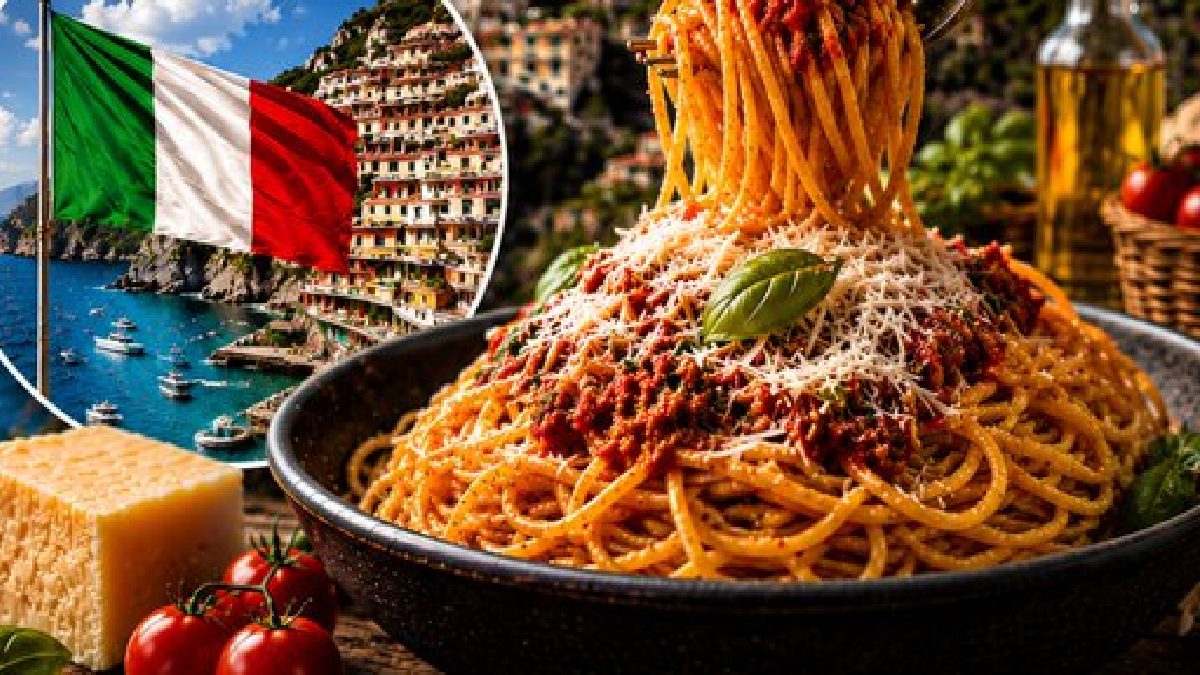
But gastroenterologists say there are a number of scientific reasons why people feel better after eating traditional Italian pasta as much as you might think.
For gut health experts, the difference is not so much because Italian wheat is “healthier” as gluten is completely different. It is a combination of food quality, preparation methods, lifestyle, and eating habits that contribute to digestion.
The wheat used in Italy is one of the biggest factors. Italian pasta is made from high-quality durum wheat semolina, which naturally is high in protein and is processed differently from many ultra-processed pasta products available elsewhere.
Quality standards are very much of the goal of the pasta production process that is designed to preserve the natural structure.
Cooking techniques also have a great effect. Italians usually cook pasta al dente i.e., they are slightly firm when bitten and Italians prefer to do so so they won’t get fatigued and feel heavy after eating. This way of cooking slows digestion down, reduces the increase in blood sugar and may help to prevent digestive discomfort and heaviness post-eating.
Portion size is another big deal. Unlike huge restaurant servings, typically prevalent in many countries, pasta is served as one component of a balanced meal in Italy and not as the whole meal as far as I can remember. It is served with vegetables, olive oil, seafood or lean proteins instead of heavy cream-based sauces and excessive cheese.
Lifestyle habits also matter. Italians eat slowly, spend time socializing during lunch or dinner and do not rush to consume their food. Eating slowly facilitates the digestive system’s ability to work efficiently and reduces the quantity of air swallowed which may cause bloating.
Another reason is the reduced consumption of highly processed foods during travel in Italy. Tourists tend to eat fresher foods and seasonal produce and fewer packaged snacks. A healthier gut microbiome is associated with better digestion.
Many Italian cities also promote walking after meals, they say. Walking on historic streets and piazzas and neighborhoods to look around after eating also promotes digestion and helps reduce bloating naturally.
But doctors are not going to conclude that Italian pasta is good for all. People with celiac disease or medically diagnosed gluten intolerance should continue to avoid gluten regardless of where it is made.
People with irritable bowel syndrome (IBS) or other digestive diseases should also consult healthcare professionals before making dietary changes.
The takeaway is that the Italian pasta effect is likely a combination of many healthy habits working in concert, not the only magical ingredients. Good food, moderate portions, healthy eating and active lifestyles, then, will lead to digestion feeling easier and bloating being less common.