While infectious diseases are in the limelight today, the comparison between Hantavirus infection and COVID-19 is open for discussion, with some leading questions ranging from: Who would cause more disease and what would be its differences?
Although these two viruses are currently classified as viral types of illness (although both cause severe disease in patients), they are different in their pathologic properties and less virulent and lethal in terms of people at the population level.
Transmission (Causal Spread vs Restricted Transmission)
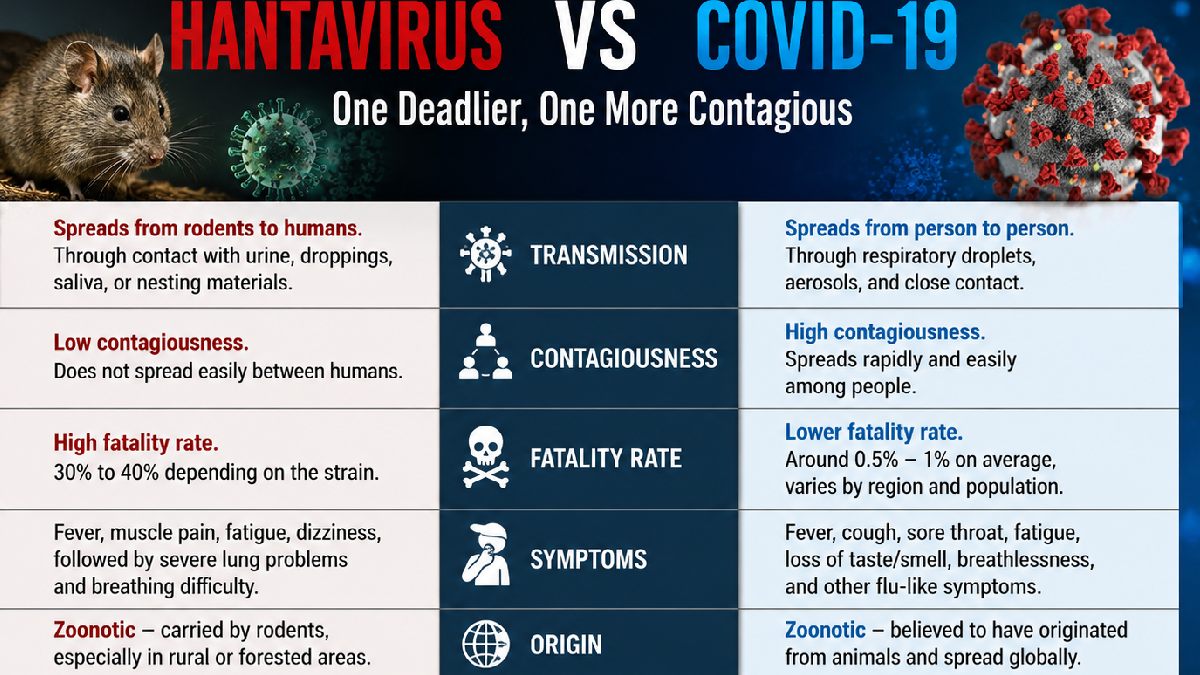
In such a system, the fundamental difference lies in transmission. COVID-19 is generated by the SARS-CoV-2 virus and can be very contagious, being spread from person to person through respiratory droplets and aerosols. That epidemic that is so infectious is also what allowed it to turn into a global pandemic in a matter of months, affecting hundreds of millions of people worldwide.
Hantavirus infections, in contrast, are rarely transmitted between people. Infection is typically spread by contact with infected rodents through urine, droppings or saliva and from inhaling infected droppings. Hantavirus outbreaks are more local and localised, meaning they’re much harder to affect than coronavirus disease.
Hantavirus-Related Mortality Rate: Hantavirus Is High in Fatality
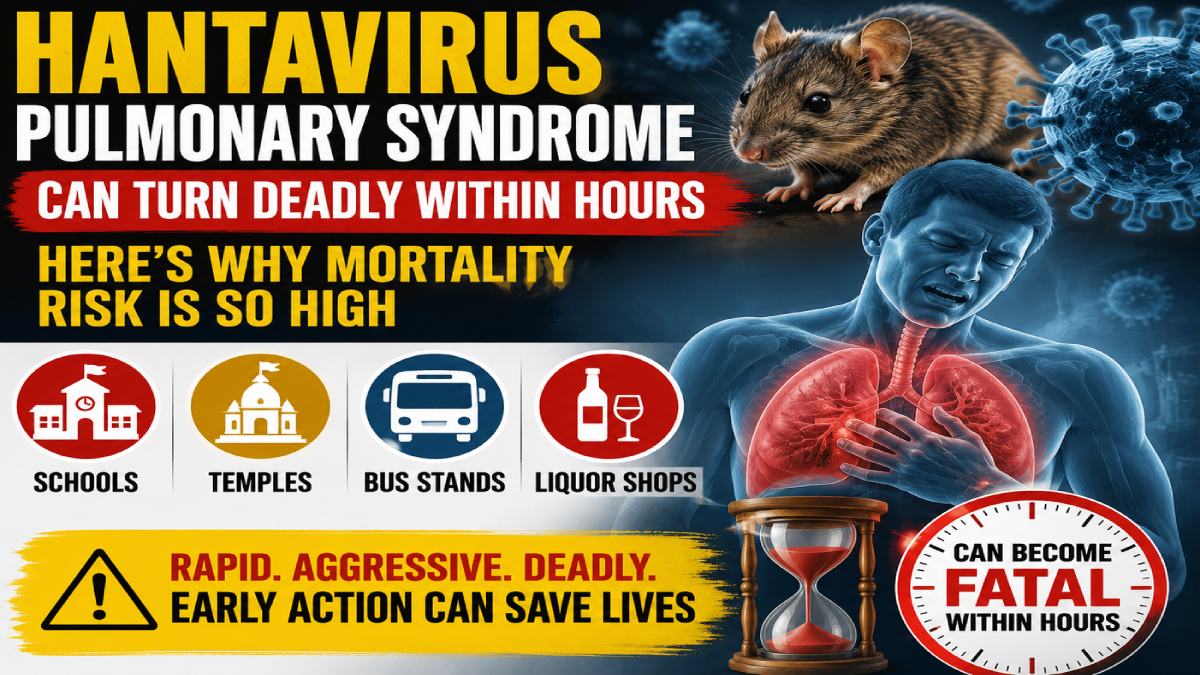
Hantavirus ranks as deadlier yet is comparatively rarer. Mortality for hantavirus infection is between 30-40%, depending upon the type of infection strain, and tends to be more serious if the infection is acute than chronic (Hantavirus Pulmonary Syndrome [HPS] has a devastating effect on the lungs).
COVID-19 is deadly, but not quite as much as it might be overall. But because of the virus’s broad dispersal, millions have died around the world. Hantavirus, in other words, is much deadlier with each spread of infection; COVID-19 is at a population level as well, at least, more lethal by its extent of viral transmission.
Symptoms and Severity
Symptoms of Hantavirus typically begin with fever, fatigue, muscle aches and dizziness. These symptoms rapidly escalate into a rapid respiratory tract crisis: at an advanced stage, fluid can overflow the lungs, leading to difficulty breathing. COVID-19 symptoms are profound and range from mild cold-like symptoms to pneumonia to respiratory failure. Some are asymptomatic; others can cause potentially fatal complications, particularly in seniors and patients with underlying health conditions.
Global Impact
COVID-19 has affected the world not because of what it does, but what it does to human conditions on people, the people, the country and how it brings us this tragedy, such a great disruption for economies, health services and everyday lives at so many unprecedented levels, like never before.
That was followed by lockdowns and travel restrictions, and after that came sweeping vaccination campaigns. On the other hand, the pathogen hantavirus is probably transmitted as an individual or in an inflexion point at a small number of humans being infected by outbreaks, and it is most commonly distributed in rural and woodland regions where it infects rodents.
Prevention And Consciousness
Prevention tends to include vaccination, wearing masks in high-risk areas and washing hands at intervals. To protect from hantavirus infection, one must maintain clear living environments free of rodents. They may be forced to clean a space covered by rodents; lock the doors to their workplace; and even carefully avoid dust and other rodent faeces in their home environment.
The Bottom Line
Hantavirus and COVID-19 are two forms of similar health threats, but in vastly different directions. The first is very contagious and can cause a crisis. The second is quite rare; once caught, it can sometimes be fatal.
Those differences are key to creating awareness and enabling the public to be prepared. COVID-19 revolutionised world health care, but still diseases such as the hantavirus suggest that zoonotic diseases like those leading to hantavirus are fatal if not local and not regulated.