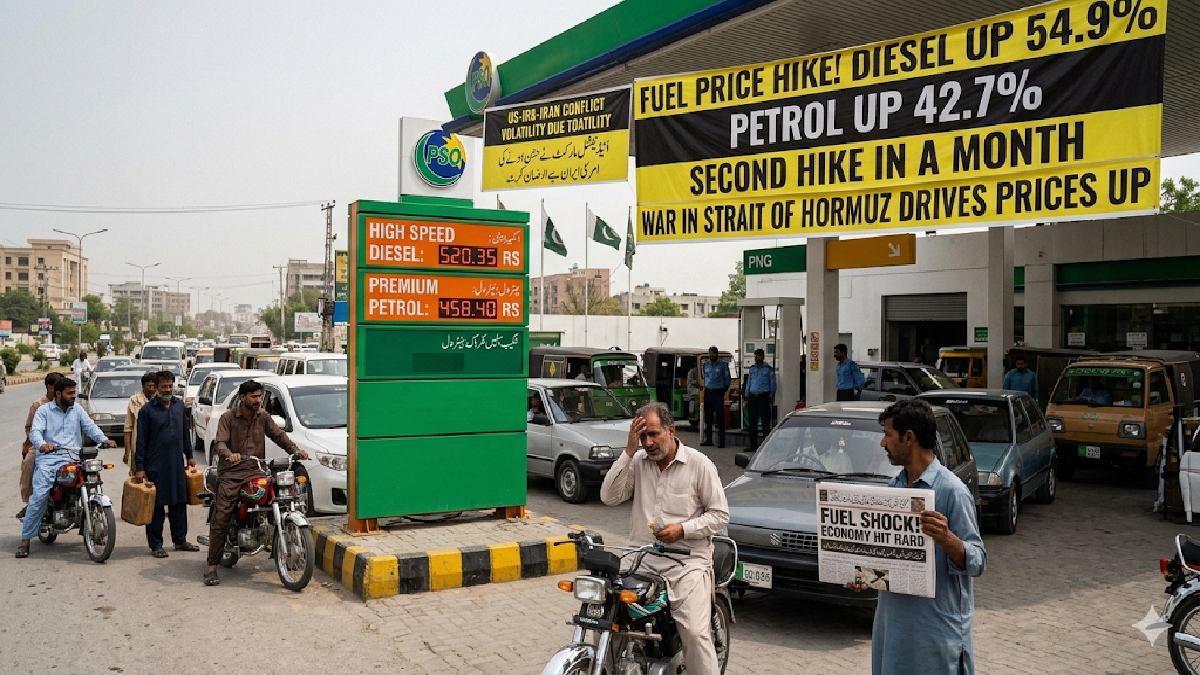
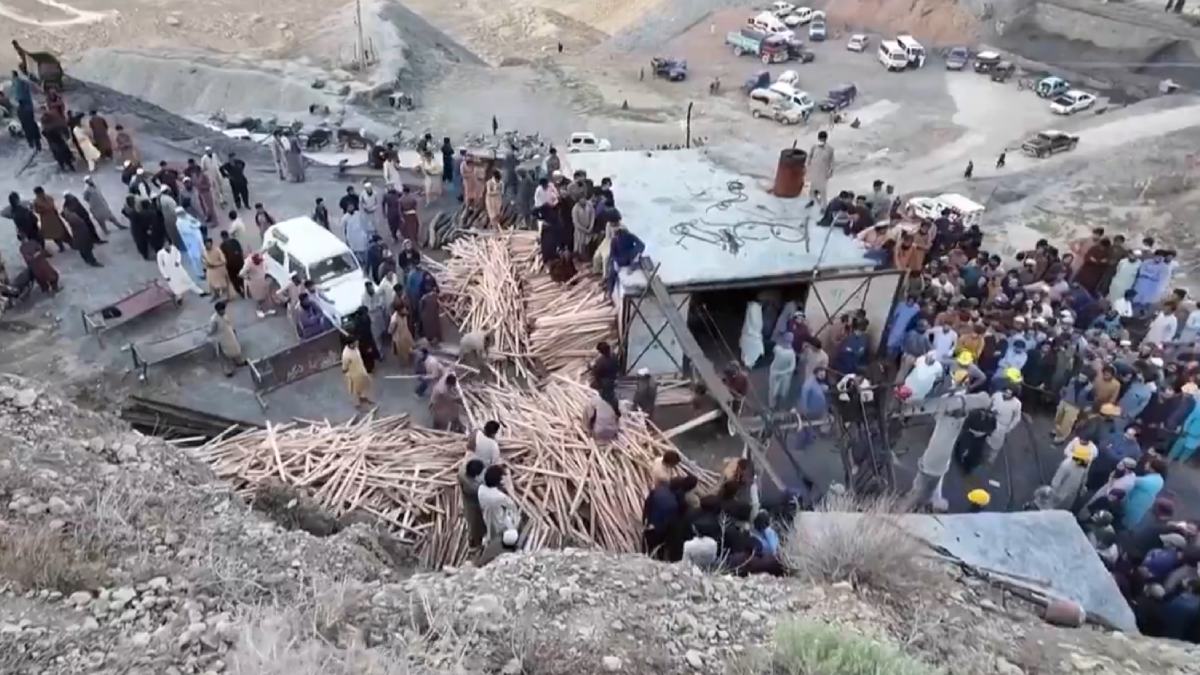
Pakistan, which faces one of the worst economic crises in its history, has restarted alcohol exports almost half a century later, a policy transformation sparked by the country’s worsening financial troubles.
The country’s only local brewing company, Murree Brewery, has allegedly started exporting beer and other alcoholic drinks for sale to the United Kingdom, Japan, Portugal, and Thailand starting in April 2026.
The company’s export manager, Rameez Shah, said the brewery is currently concentrating on expanding its international distribution networks and plans to substantially boost overall production in the year to come.
Economic Crisis Forces Policy Shift
Pakistan had nearly stopped alcohol exports decades after implementing regulations associated with Islamic laws. In the late 1970s, the government prohibited the consumption of alcohol by the Muslim population, and also phased out export activities gradually. However, some exemptions remained for non-Muslim communities within the country.
The government of Pakistan was so mired in a financial crisis and a foreign debt load that, in 2025, it reportedly reapproved its approval of alcohol exports to promote growth. Exports are said to be aimed only at non-OIC countries, according to reports.
Pakistan’s Rising Debt Crisis
Pakistan’s economy continues to be heavily burdened by external debt, estimated at nearly $138 billion. According to government figures, this national income/expenditure gap is quite wide. According to forecasts, Pakistan’s revenue in fiscal year 2026 totals 11,072 billion Pakistani rupees (around $40 billion), while its expenditures exceeded 16,286 billion rupees (about $58 billion).
A sizable chunk of government spending, nearly 8,200 billion rupees ($30 billion), in total, is allegedly being allocated solely for payment of interest on loans. About $92 billion of the total foreign debt is allocated to the government, and the debt of private businesses and banks is outstanding.
Murree Brewery's Return to Global Markets
Before the alcohol restrictions of the 1970s, Murree Brewery had been exporting alcoholic beverages to the likes of India, Afghanistan and the United States. Over the past few years, the company has focused primarily on non-alcoholic options like packaged juices, mineral water and drinks with fruit flavours.
The brewery was said to make nearly $100 million in revenue in the previous financial year. Earlier this week, its chief executive, Isfanyar Bhandara, applied for a licence to resume exports of the type with which he worked at the time; now it is in service. Interestingly,
Pakistan had begun to relax in recent years. Chinese companies that worked on development projects in the Balochistan province were permitted to manufacture alcohol in Balochistan for mostly Chinese people in 2021, authorities have alleged.
Historical background for the prohibition of alcohol in Pakistan
Pakistan’s ban on alcohol is dated to April 1977 when the government of the Prime Minister and then-PM of Pakistan Zulfikar Ali Bhutto banned alcohol sales in the country, as political tensions mounted and he was accused of promoting a “Western lifestyle”.
Religious and opposition groups called for the closure of bars, nightclubs and casinos at the time. Later, military governor Muhammad Zia-ul-Haq intensified the laws by associating them directly with Islamic law and instituting draconian punishments for drinking Muslims. Under Pervez Musharraf, some restrictions were relaxed informally, although the ban was still officially in place.
Debate Over Social Impact
Others suggest that strict alcohol prohibition caused more than good intentions, some analysts argue, as the rampant sale of narcotics and illicit alcohol allowed narcotics and criminal drugs to flourish in Pakistan. Heroin addiction sharply increased during the 1980s, they said, adding that deaths by toxic illegal alcohol were no exception to this trend.
While there are religious objections against drinking, historians note that alcohol has existed for thousands of years throughout South Asia.
Archaeological documentation from the ancient Indus Valley Civilisation indicates that people were used to wine-making and distillation practices as a form of distillerative brewing. The ancient culture had been practised millennia before the era of modern politics and/or cult to which our current political or religious prohibitions on drinking alcohol were introduced.