A new Indian Council of Medical Research (ICMR) study has raised alarms about the cardiovascular health of the population and revealed that almost 90% of Indian adults have unhealthy cholesterol levels. The findings underscore a growing public health issue and the urgent need for lifestyle changes, early diagnosis and treatment, and preventive healthcare.
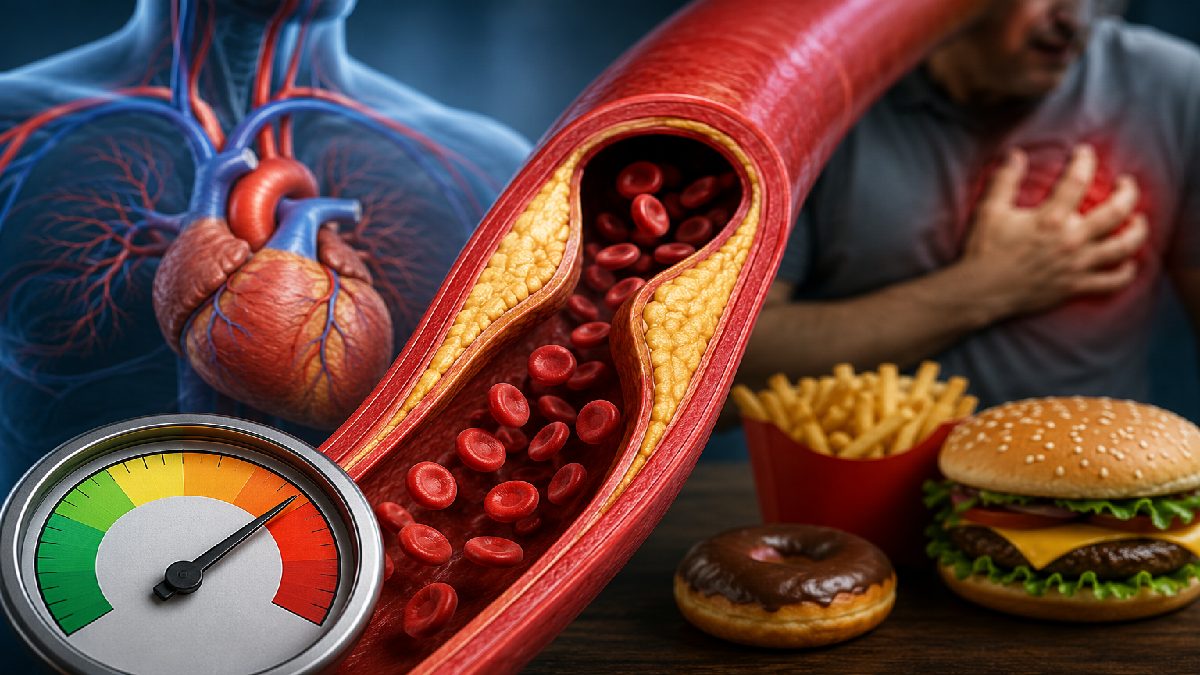
The study, based on health data of thousands of people in different parts of India, has found significant variations in lipid profiles, with high levels of low-density lipoprotein (LDL) and low levels of high-density lipoprotein (HDL) or “good cholesterol.” Such imbalances greatly increase the risk of heart disease, stroke, and other cardiovascular complications.
Health professionals say the results indicate a worrying trend that has been developing over the past two decades. Rapid urbanisation, sedentary lifestyles, unhealthy eating habits, high levels of stress, and an increase in obesity and diabetes have all contributed to the deterioration of cardiovascular health among Indians.
In this study, large proportions of adults reported low HDL cholesterol levels, particularly in South Asians. HDL is the key component in removing cholesterol from the blood and sending it to the liver for disposal. Low HDL levels may lead to plaque buildup in arteries and heart attacks and strokes.
Researchers also found high triglyceride levels and high LDL cholesterol in a significant proportion of individuals. LDL cholesterol can build up in blood vessel walls and cause arteries to narrow and harden over time. Atherosclerosis is one of the most common causes of cardiovascular disease worldwide.
The findings are particularly troubling because a lot of people with abnormal cholesterol levels are unaware of their condition. High cholesterol usually develops gradually with no visible symptoms and is known as a “silent killer.” By the time symptoms appear, serious damage might have already begun to take place to the heart and blood vessels.
India already has one of the world’s highest burdens of cardiovascular disease. Heart-related diseases account for a large portion of deaths in the country every year, and experts say that without addressing the cholesterol crisis, it would only make things worse.
Cholesterol levels are controlled by lifestyle choices and treated with medication as necessary, health professionals say. Physical activity, weight management, tobacco and alcohol avoidance, and eating fruits, vegetables, whole grains, and healthy fats improve lipid profiles but also improve health and overall well-being.
Nutritionists, in other words, suggest avoiding processed foods, sugary beverages, trans fats, and excessive saturated fats, which are commonly found in fast food and packaged snacks. Small changes in diet can make a big difference in heart health.
The ICMR study also highlights the need for routine health checkups. As a result, healthcare professionals recommend that adults with risk factors for diabetes, hypertension, obesity, or a family history of heart disease have regular cholesterol screenings. Early detection can prevent serious complications and provide timely intervention.
Public health advocates are calling for more awareness campaigns and community-based screening programs to tackle the rising number of cholesterol-related diseases. Preventive care could decrease cardiovascular disease and improve overall health.
The latest ICMR findings are a stark reminder that heart health should be a national priority as India is grappling with changing lifestyles and increasing non-communicable diseases. The latter is something that individuals, healthcare providers, and policymakers need to address to solve one of the country’s more pressing health problems.