Manohari Gold Tea is a regular record-breaker at the Guwahati Tea Auction Centre (GTAC). While premium orthodox teas usually fetch high prices, Manohari Gold operates in a league of its own:
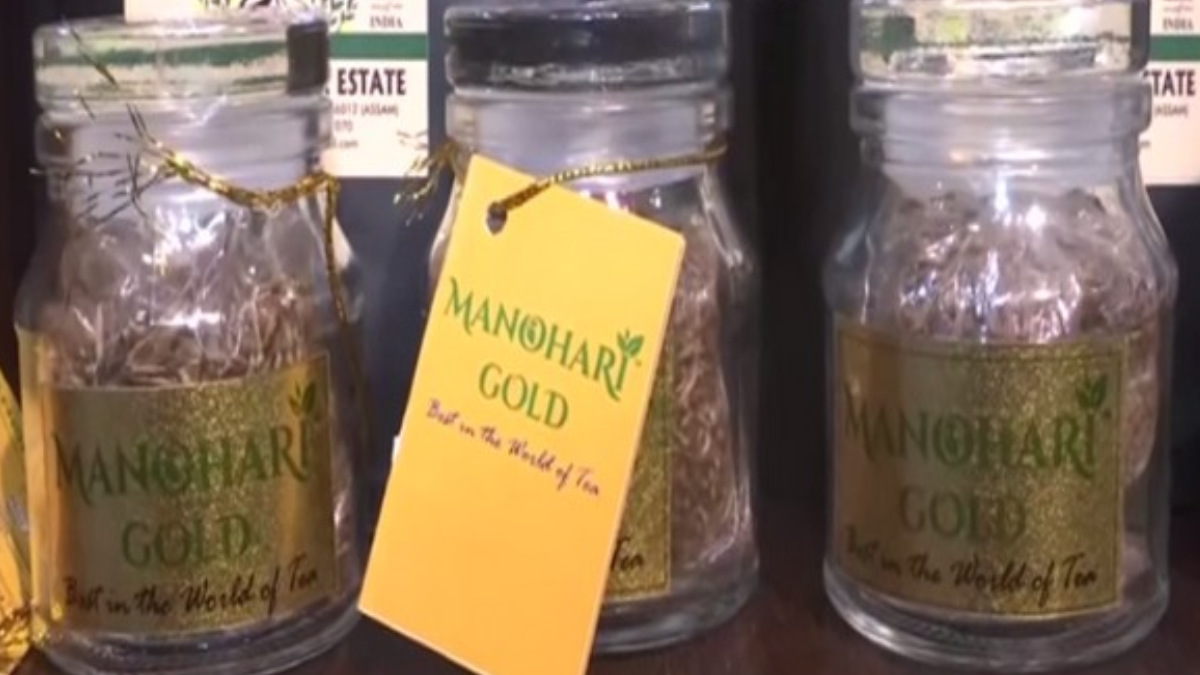
The Lakh Milestone: In December 2021, it created history by selling for ₹99,999 per kilogram.
Private Auction Success: Due to price caps on public auctions, the estate turned to private e-portals (Tea Inntech) in 2022, where it fetched a staggering ₹1.15 lakh per kilogram.
Current Standing (2025): As of late 2025, it remains a collector's item, with prices for rare batches continuing to reach or exceed the ₹1 lakh mark in private deals and luxury boutiques.
The Rarity: Why Does It Cost So Much?
The astronomical price isn't just for the name; it reflects an incredibly laborious and climate-sensitive production process.

Pre-Sunrise Plucking: The leaves are plucked only between 4:00 AM and 6:00 AM. This is crucial to prevent the sun's rays from altering the delicate aroma and biochemical composition of the buds.
The "Bud" Only Rule: Unlike regular tea, which uses leaves, Manohari Gold is made exclusively from the finest P-126 tea clones. Only the small, tender buds are harvested.
Artisanal Craftsmanship: The buds are meticulously hand-rolled for up to 16 hours. This manual process ensures that the buds retain their striking golden hue.
Tiny Yields: Even on a perfect day, a worker can pluck only about 70g to 80g of these buds, which eventually produces only about 18g to 20g of finished tea. Total annual production is often limited to just 2 to 5 kilograms.
Flavor Profile and Health Benefits
- Appearance: When brewed, the tea yields a bright, shimmering yellow liquor that looks like liquid gold.
- Taste: It is celebrated for a smooth, malty flavor with a soothing aftertaste and a natural hint of honey.
- Health: Rich in antioxidants and bioactive compounds, it is believed to help with skin rejuvenation, boosting immunity, and fighting the effects of aging.