In the digital age of today’s hyperconnected society, staying connected is easier said to be an easier thing to do but feelings of loneliness are on the rise.

Mental health experts stress loneliness is a public health issue and is a serious public health issue with an effect on one’s psychological and physical health and well-being.
Partnership-building is one of the best ways to combat loneliness and to lead a healthier life.
Loneliness is often misunderstood as just being alone. It’s not loneliness at all.
Rather, it is feeling like you are lonely or isolated and you don’t feel connected or like you do have social networks. You can have hundreds of online friends but feel like you’re lonely. Lack of feeling will have the effect of lowering self-esteem, raising stress and worsening anxiety and depression.
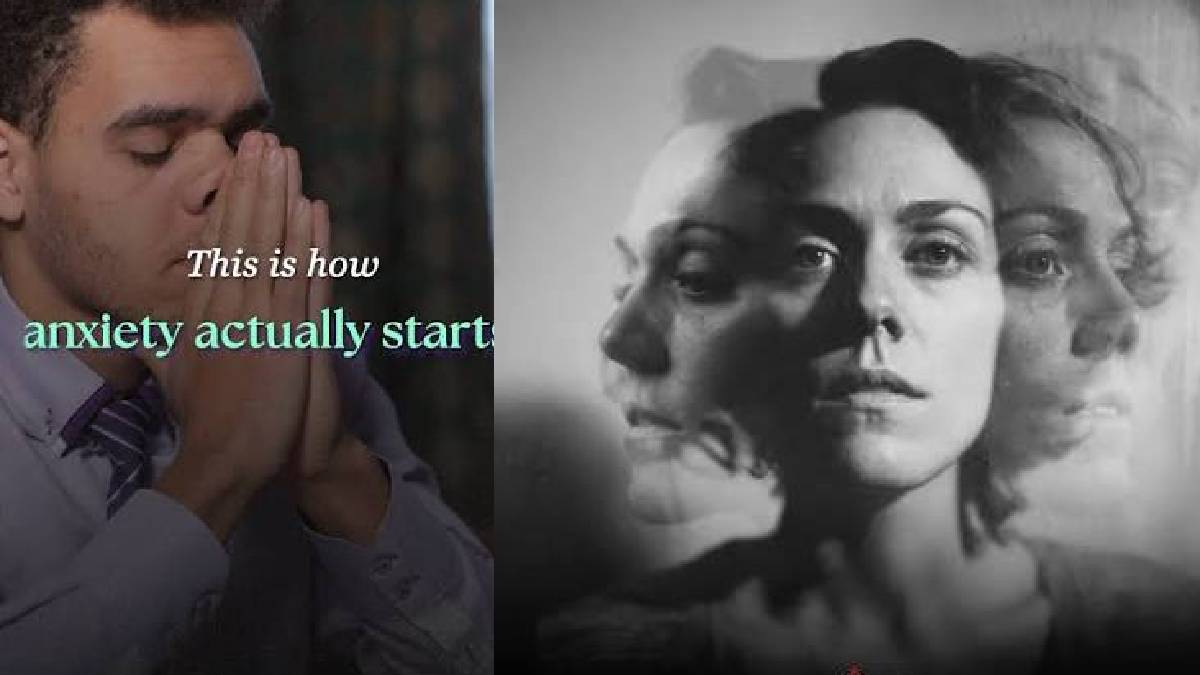
Loneliness has been found to have similar effects to other major health risks in research. Such loneliness tends to make you more likely to develop mental health issues, sleep disorders, high blood pressure, even heart disease. Longer-term loneliness also weakens the immune system, making people more susceptible to disease.
Strong relationships are a buffer against these negative effects. Family members, close friends, colleagues and supportive communities provide emotional safety in the face of a difficult time.
Sharing experiences, celebrating achievements and talking about challenges can decrease stress and improve emotional resilience. Healthy relationships also promote good habits, such as regular exercise, balanced eating and seeking professional help when necessary.
To build a relationship is to do that with the same level of effort, those experts say. Things like calling a loved one, meeting friends regularly, going to community events, volunteer work and joining hobby groups can strengthen social networks.
Quality over quantity is the most important in the world. With a few trusted relationships, a few people can offer more emotional support than many friends.
Technology has changed how people communicate but social media use is a vice that can compound loneliness. Comparing our online lives to our real life creates unrealistic expectations of ourselves and a feeling of inadequacy.
Mental health professionals suggest that online interactions be tempered with face-to-face conversations where possible and connecting with people is important.
Loneliness is a problem for the workplace and for the education system too. Workplaces and educational institutions that encourage teamwork, mental health awareness and integration of those of all backgrounds are the things that make you feel really good and connected.
In the workplace, employees who do well have higher productivity, higher job satisfaction, and are less stressed.
Knowing loneliness is just as important. Long-term sadness, a lack of motivation and hopelessness should not be ignored. Seeking the help of trusted people or mental health professionals can make a significant difference. Requesting help is strength, not weakness.
The most important investment one can make in a person is in relationships. Real friends mean that the person feels good in a way you can’t get in your life these people of your own community are the people who give you a place to go home and be a family to you.
The research-based awareness of mental health is increasing, and those people who have been involved as well as the people in our society are saying that good relationships are more than just helpful they are essential. The only way out of loneliness and a life that makes you feel better is to have real human relationships and not just to fall prey to the digital world.