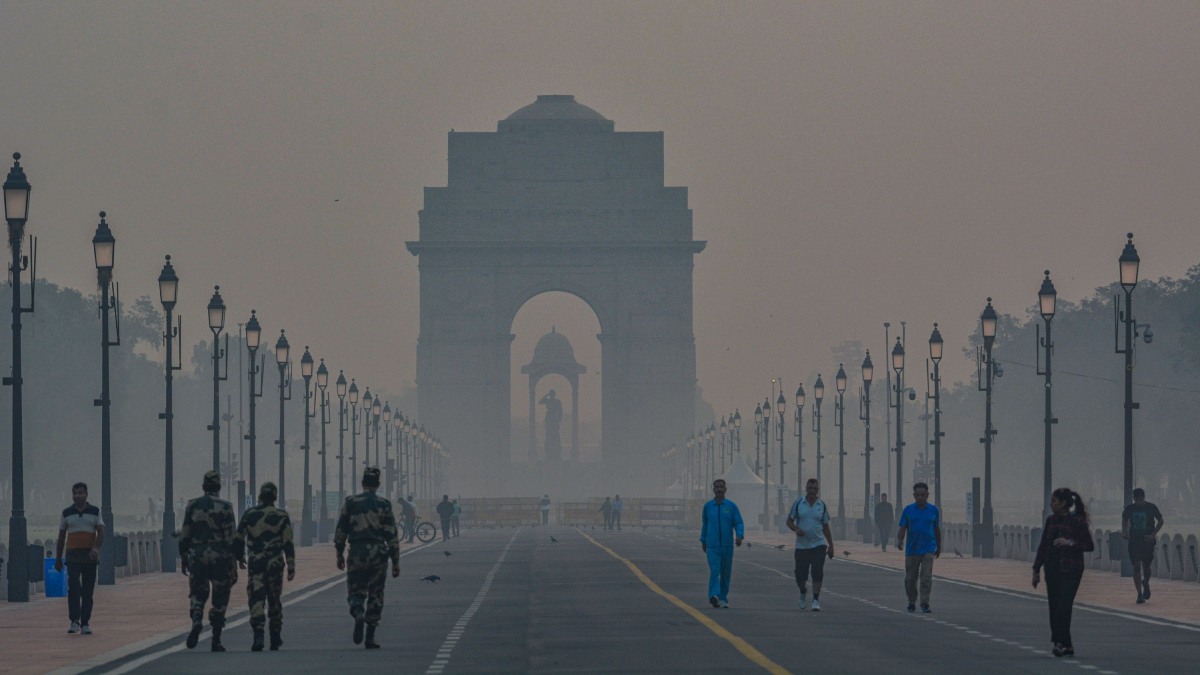
New Delhi will now use artificial intelligence (AI) and the latest technology to monitor air pollution and dust sensors in the national capital for monitoring construction-related pollution from construction to combat air pollution in a bid to improve its air quality as part of a strategy to clean it up, which is part of a wider initiative to improve air quality by technology-based surveillance and stricter enforcement of environmental laws.
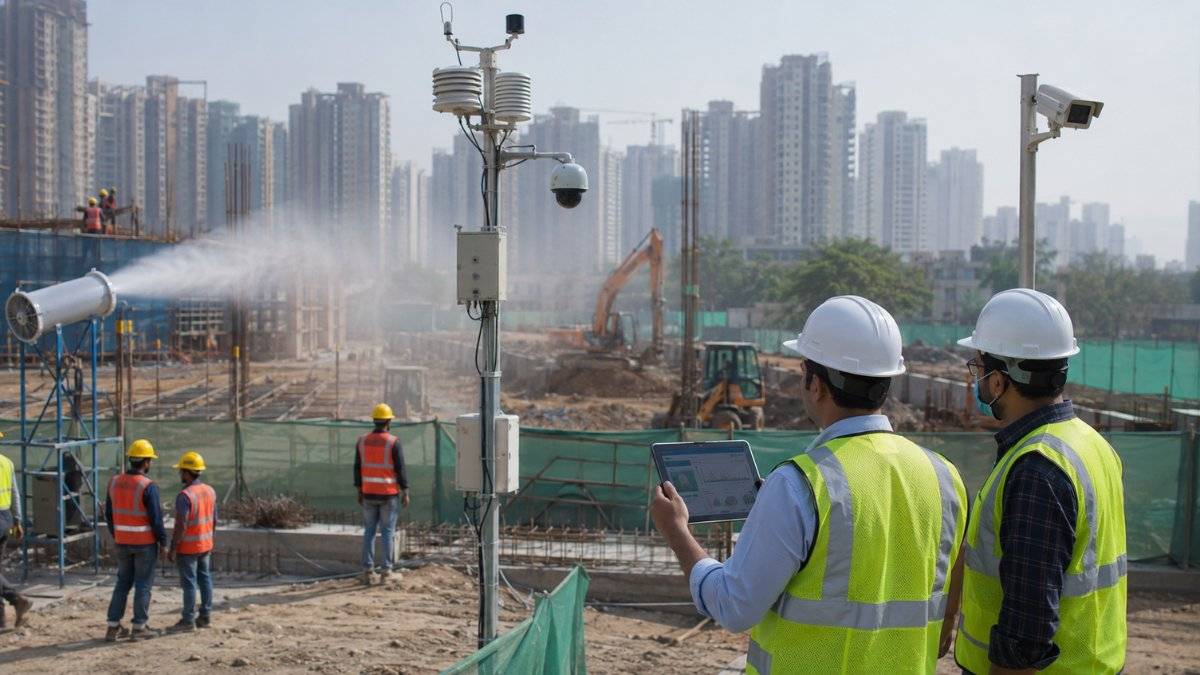
Construction and demolition are one of the major contributors to particulate matter (PM10 and PM2.5) pollution in Delhi, especially in the dry months. Dust from construction sites often mixes with diesel pollution and industrial pollution, which is bad for the air quality, and it poses a threat to millions of residents. Where possible, by employing AI and real-time monitoring systems, the government will be able to identify violations and take appropriate steps in a manner that is efficient and fast.
🚨Delhi govt. to monitor construction pollution in the city by using AI, dust sensors. pic.twitter.com/2hxyWS9dLs
— Indian Infra Report (@Indianinfoguide) July 14, 2026
Under the new system, dust sensors will be installed at large construction sites to monitor airborne particulate matter continuously. The sensors will send data to a central monitoring system for pollution daily, so that the authorities can monitor pollution levels around the clock. The technology will better reflect the construction-related emissions than a routine manual inspection.
Artificial intelligence will be the primary investigator of the data from these sensors. AI algorithms can flag unusual spikes in dust levels, identify recurring patterns and automatically detect construction sites that are in breach of pollution control guidelines. The system can also help prioritize inspections by directing enforcement teams to locations where pollution is above limits.
The AI-based monitoring system will enhance compliance with existing environmental standards, the officials say. Construction agencies are already required to take dust control measures like water sprinkling, covering construction materials, installing anti-smog guns where necessary, erecting dust barriers, and disposing of debris properly. Digital monitoring will help cement compliance with these rules in a continuous manner.
And the initiative is consistent with Delhi’s broader push to create a better environmental management system. Rather than simply performing manual inspections, officials will now be able to measure thousands of construction activities at once, and enforcement is going to be more effective and transparent.
Environmentalists have welcomed the move, believing that real-time data can significantly improve pollution management. They say that early detection of excessive dust emissions allows authorities to intervene before pollution levels escalate. AI can also lead to insights that help policymakers identify pollution hotspots and develop long-term mitigation strategies.
The dust sensors are expected to complement Delhi’s existing collection of ambient air quality monitoring stations. Combined, these systems will give us a complete picture of pollution sources and support evidence-based decision-making.
Delhi's government has introduced several measures to fight air pollution, in terms of stricter enforcement of open waste burning, cleaner transportation, industrial pollution regulation, and seasonal action plans for the winter months, for example, and for the environment at large in the city. This is just the latest step towards adopting intelligent technologies for environmental governance when it comes to AI in monitoring construction pollution, which is a step in this direction.
If implemented successfully, this kind of initiative may inspire other Indian cities to tackle urbanization and infrastructure growth similarly. By using artificial intelligence with the real-time monitoring of environments to improve the quality of construction dust, Delhi will be able to achieve cleaner and healthier air for its residents.