May First, or International Workers' Day or May Day, is a worldwide observance of workers and focuses on the contributions and rights of workers. Recognised in more than 80 countries, this day recalls the labour movement’s struggle for fair wages, safe working conditions and reasonable working hours.
International Workers’ Day originated in the late 19th century, in a period of booming industrialism, particularly in the United States. This was in response to workers experiencing the 10–16-hour workday, low pay and hazardous work environments. In reaction, labour unions organised labour protests for an eight-hour workday.
The moment arrived on May 1, 1886, when hundreds of thousands of workers across America went on strike. The movement came to a head with the Haymarket Affair in Chicago. What began as a peaceful protest exploded into bloodshed when a bomb was detonated, clashing with the police and demonstrators.
While the tragedy was unfortunate, it turned into a major emblem of workers’ fight for justice. In 1889, the Second International, a worldwide federation of socialist and labour parties, approved May 1 as International Workers’ Day to remember the Haymarket events and to keep agitating for workers’ rights around the world. It has since become an annual day for workers to express their grievances and have a say in their successes.
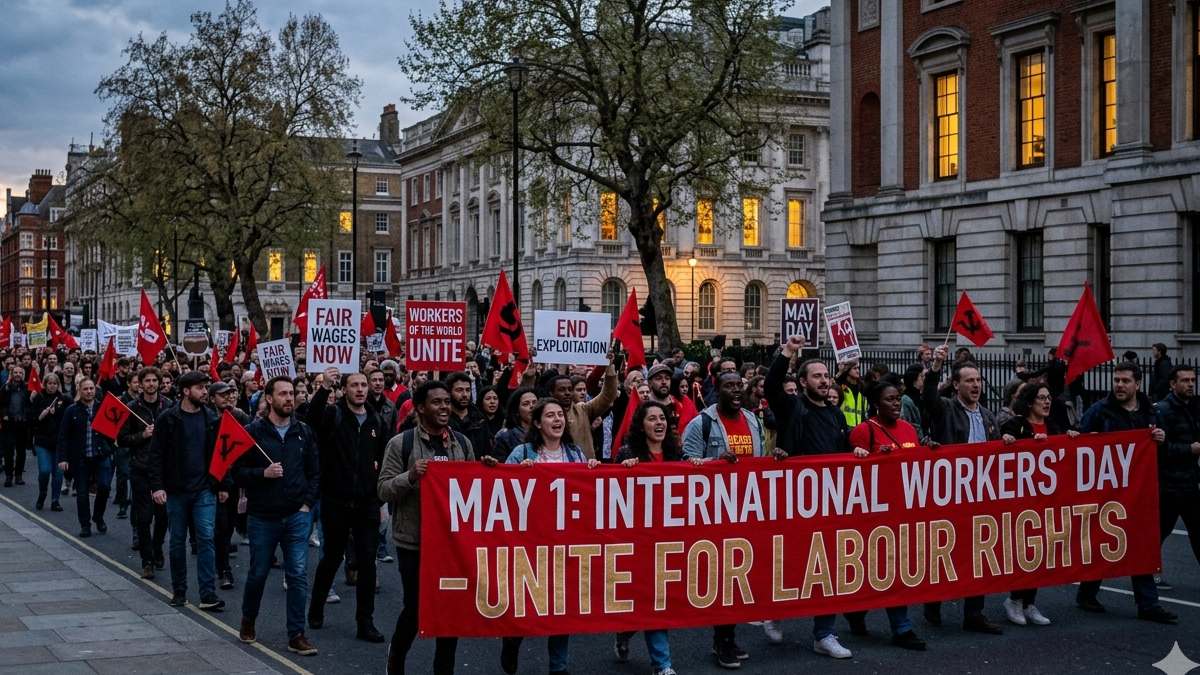
International Workers’ Day these days is complete with rallies, parades and speeches throughout the world. The holiday is an official public holiday in India, but this, too, is a public holiday in many Indian states, with some even calling it Labour Day. Trade unions and organizations and communities organise events that focus on issues of labour rights, social justice and economic equality.
More than its historical origins, May 1 is just as relevant today as it was back then. Concerns over fair wages, job security, workers’ rights in the gig economy, and workplace safety are still among the things that affect the day's hot buttons, as many conversations still dominate modern dialogue. It reminds us all that many of the rights we enjoy today were earned through struggle, not just through collective action.
International Workers’ Day is not about a bygone era; it’s about acknowledging the enduring impact of workers everywhere. Farmers, factory workers, health care workers, and digital freelancers are just a few examples that all play an important role in creating a better society.