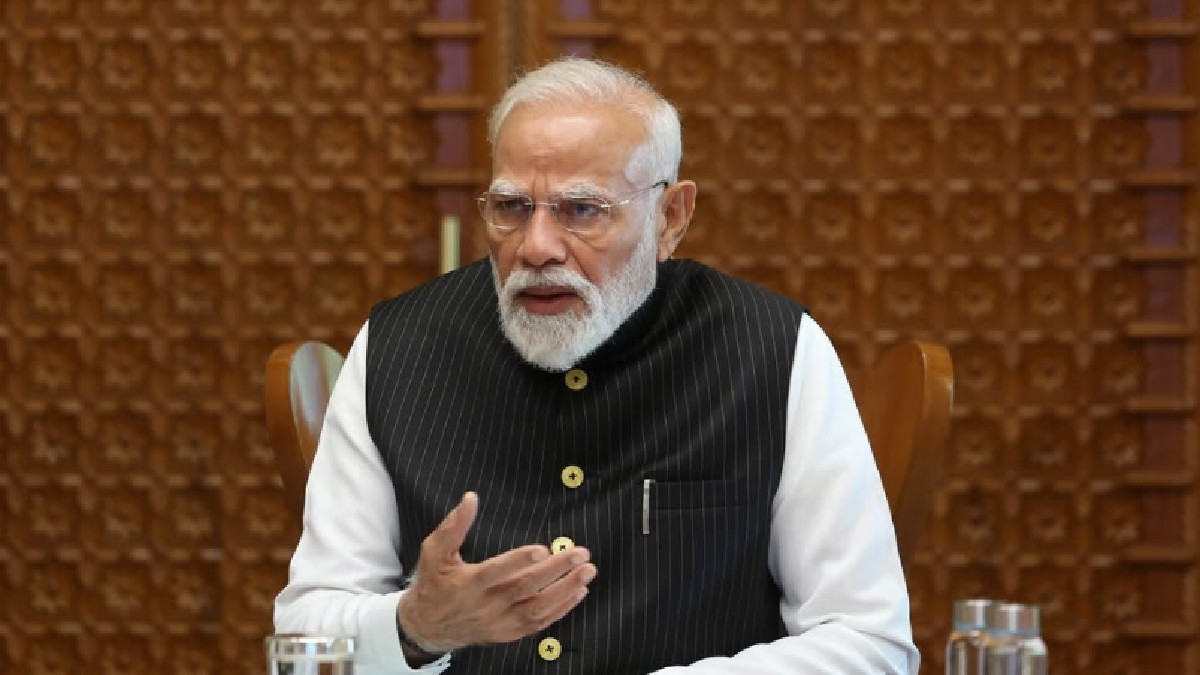
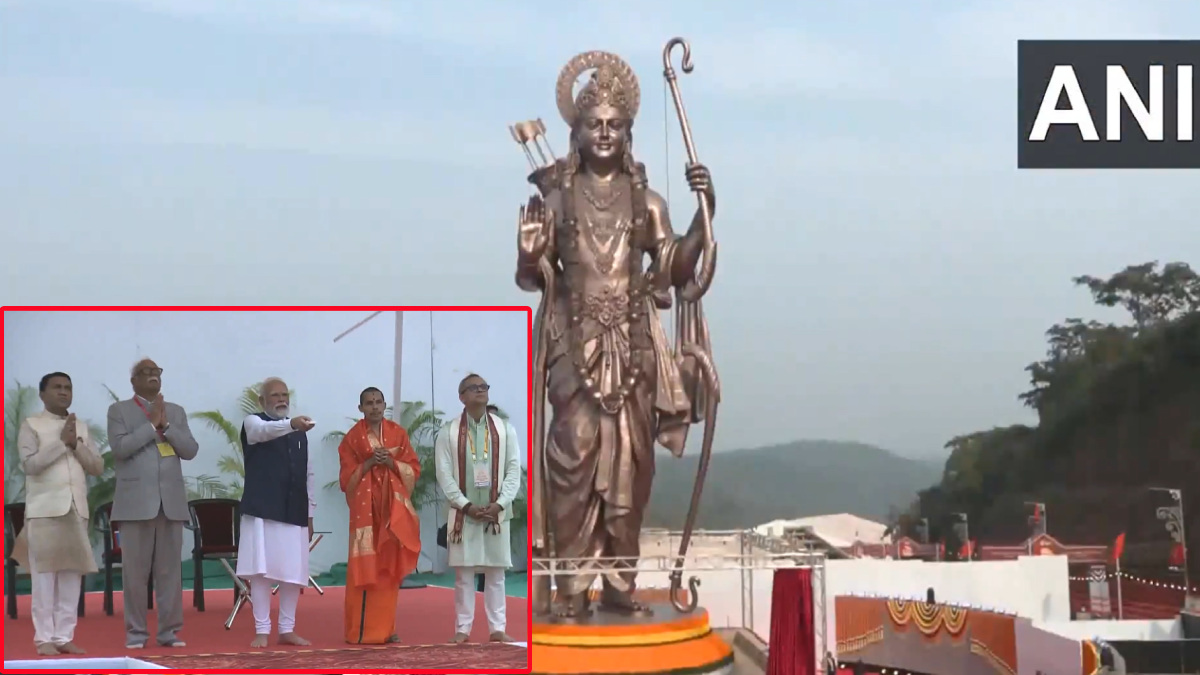
Prime Minister Narendra Modi inaugurated the ambitious Ganga Expressway in Hardoi district, marking a major milestone in India’s infrastructure development. The mega project is expected to significantly boost connectivity, economic growth, and regional development across Uttar Pradesh.
Spanning an impressive 594 kilometres, the Ganga Expressway is one of the longest expressways in India. Designed as a six-lane access-controlled highway with provisions to expand to eight lanes in the future, the project has been constructed at an estimated cost of around ₹36,230 crore.
A Game-Changer for Connectivity
The expressway aims to connect the western and eastern parts of Uttar Pradesh, passing through several key districts and improving travel efficiency across the state. With high-speed access and modern infrastructure, the corridor is expected to drastically reduce travel time for commuters and logistics operators.
Officials noted that the expressway will not only ease congestion on existing highways but also provide a faster and safer route for long-distance travel. The project is part of a broader vision to strengthen India’s road network and support economic integration between regions.
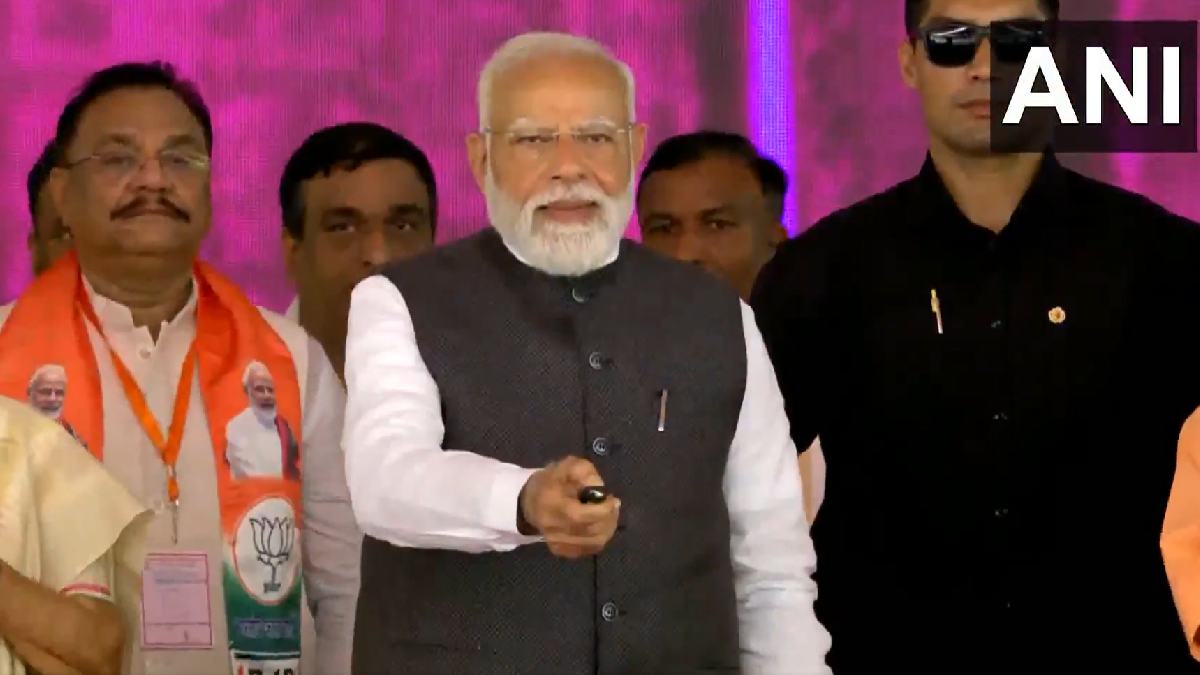
#WATCH | Prime Minister Narendra Modi inaugurates the Ganga Expressway in Hardoi district, Uttar Pradesh
— ANI (@ANI) April 29, 2026
The Ganga Expressway in Hardoi district. The Ganga Expressway is a 594-kilometre-long, 6-lane (expandable to 8 lanes), access-controlled greenfield high-speed corridor, built… pic.twitter.com/aU1KpcqMgD

Boost to Economy and Development
Speaking at the inauguration, Prime Minister Modi highlighted the transformative impact of the project on local economies. The expressway is expected to attract investments, generate employment opportunities, and promote industrial growth along its route.
Experts believe that improved connectivity will benefit sectors such as agriculture, manufacturing, and trade by enabling smoother transportation of goods. Farmers, in particular, are likely to gain better access to markets, reducing transit time and costs.
Greenfield High-Speed Corridor
The Ganga Expressway is a greenfield project, meaning it has been built on a new alignment rather than upgrading an existing road. This allows for better planning, higher speed limits, and advanced safety features.
The highway includes modern facilities such as service lanes, emergency response systems, and wayside amenities for travellers. Authorities have also incorporated environmental considerations, including plantation drives and measures to minimise ecological impact.
Strategic Importance
Apart from economic benefits, the expressway holds strategic importance as well. It enhances connectivity to key regions and strengthens infrastructure resilience, which is crucial for both civilian and logistical purposes.
The project aligns with the government’s focus on large-scale infrastructure development as a driver of national growth. It also complements other expressways and highway networks being developed across Uttar Pradesh and neighbouring states.
Looking Ahead
With the inauguration of the Ganga Expressway, Uttar Pradesh takes a significant step toward becoming a major infrastructure hub in India. The project reflects the government’s commitment to building world-class transport systems that support long-term development.
As traffic begins to flow on the newly inaugurated corridor, the expressway is expected to play a pivotal role in shaping the economic landscape of the region, improving connectivity, and enhancing the quality of life for millions of people.