The monsoon is a relief from the heat of summer, but it also brings with it a new challenge in every home—too much humidity. Wet walls and wet clothes are easy to see, but moisture quietly affects another important place: your kitchen pantry.
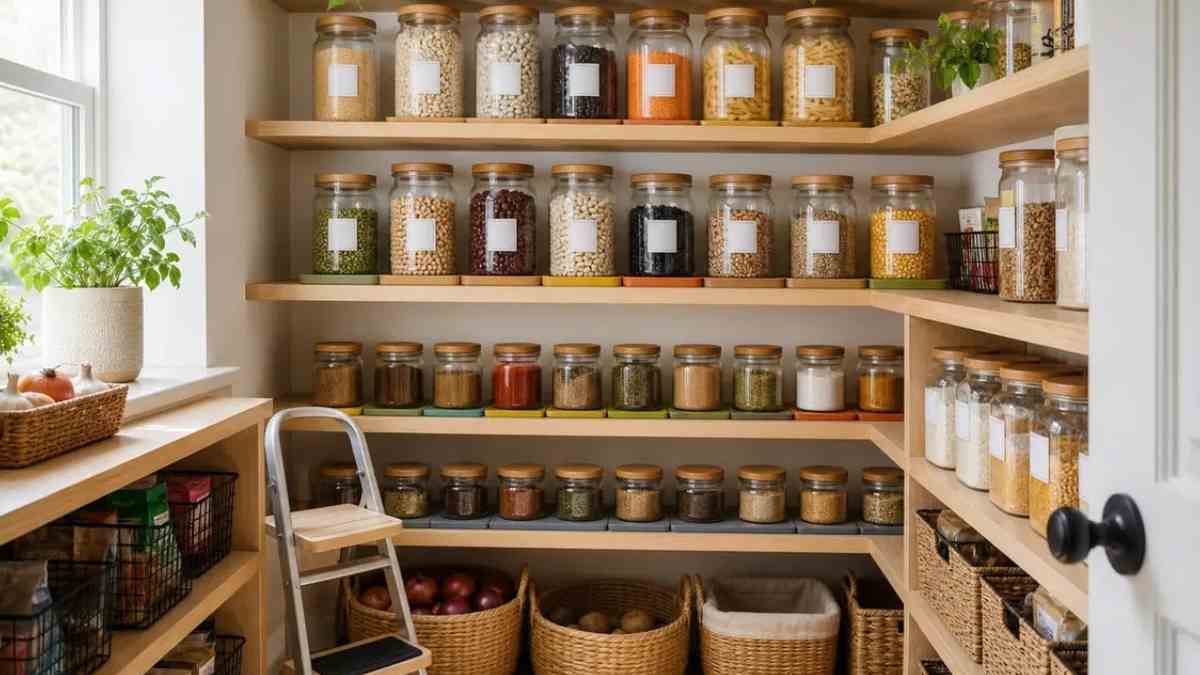
Rice, wheat flour (atta), pulses, spices, dry fruits, and cereals can all absorb moisture in the rainy season, and the latter are more prone to insects, mould, unpleasant odours, and spoilage. But a few simple storage tips, with food safety experts and old-time kitchen wisdom, can help keep your groceries fresh longer.
Why does food spoil faster during the monsoon?
Monsoon humidity provides excellent conditions for fungi, bacteria, pantry pests, and microorganisms. When humidity is high during the monsoon season, fungi, bacteria, pantry pests, and microorganisms thrive in the moist air, which can seep into food containers. Dry ingredients tend to clump together, shortening their shelf life.
According to the Food Safety and Standards Authority of India (FSSAI), keeping food dry and protected from moisture is one of the best ways to preserve quality and ensure food safety.
1. Store Groceries in Airtight Containers
The first step in preventing spoilage is to put grains, pulses, flour, sugar, and spices into clean, airtight containers.
Glass jars, stainless steel containers, or high-quality food-grade plastic containers with tight-fitting lids prevent moisture from entering and also keep insects away.
Avoid storing groceries in partially opened plastic packets for a long time.
2. Buy Smaller Quantities During the Rainy Season
Instead of stocking several months' worth of groceries, consider purchasing smaller quantities more frequently.
Large quantities remain in storage longer, increasing the likelihood of moisture exposure and insect infestation.
Fresh ingredients are generally more attractive in scent, taste, and nutritional value.
3. Keep Your Pantry Dry and Well-Ventilated
Humidity trapped inside kitchen cabinets promotes mould growth.
Pantry shelves must be wiped frequently with a dry cloth, and air circulation should be good. Containers should not be placed directly against damp walls.
If possible, open pantry doors occasionally on dry days to improve ventilation.
4. Traditional Kitchen Hacks Still Work
Many traditional Indian kitchen practices continue to be useful today.
Some commonly used methods include:
- Adding a few dried neem leaves to rice and pulses storage containers to deter insects.
- Placing bay leaves in grain containers, as their aroma can keep pantry pests away.
- Keeping whole dried red chillies in rice containers is a traditional practice followed in many households.
These methods may help reduce insect infestation, but they need to be complemented—not replaced—with good hygiene and airtight storage.
5. Store Flour Carefully
Atta absorbs moisture quickly during the monsoon.
If you purchase large quantities, divide them into smaller airtight containers instead of opening the entire stock repeatedly.
Always use a completely dry spoon when handling flour to avoid introducing moisture.
6. Protect Your Spices
Whole spices generally last longer than ground spices.
Keep spices away from direct sunlight, heat, and steam generated during cooking. Never sprinkle spices directly over boiling food from the storage container, as steam can enter and reduce their shelf life.
Instead, transfer the required quantity to a separate spoon before use.
7. Check Your Pantry Regularly
Inspect stored food every few weeks.
Look for:
Small insects
Cobweb-like threads
Unpleasant smells
Mould growth
Clumping
Changes in colour
Discard any food showing signs of spoilage.
8. Keep Containers Completely Dry
Before refilling containers, wash and dry them thoroughly.
Even a small amount of trapped moisture can encourage fungal growth and spoil an entire batch of grains or pulses.
Allow containers to air dry completely before adding fresh groceries.
9. Store Dry Fruits Separately
Almonds, cashews, raisins, pistachios, and walnuts contain natural oils that may deteriorate in humid weather.
Store them in airtight containers and, if possible, refrigerate them during the rainy season to maintain freshness.
10. Follow First-In, First-Out (FIFO)
A simple but effective storage rule is First In, First Out (FIFO).
Always use older groceries before opening newly purchased stock. This reduces food waste and ensures ingredients are consumed within their recommended storage period.
Simple Habits That Save Money and Food
Preventing food spoilage doesn't require expensive equipment. Good storage practices, regular inspections, and careful handling can significantly reduce waste while protecting your family's health.
By combining modern food safety recommendations with time-tested kitchen traditions, households can keep pantry staples fresh, nutritious, and safe throughout the monsoon season.
With just a little extra care, your rice, pulses, flour, spices, and other essentials can stay free from moisture, insects, and mould—making your kitchen healthier and your groceries last much longer.