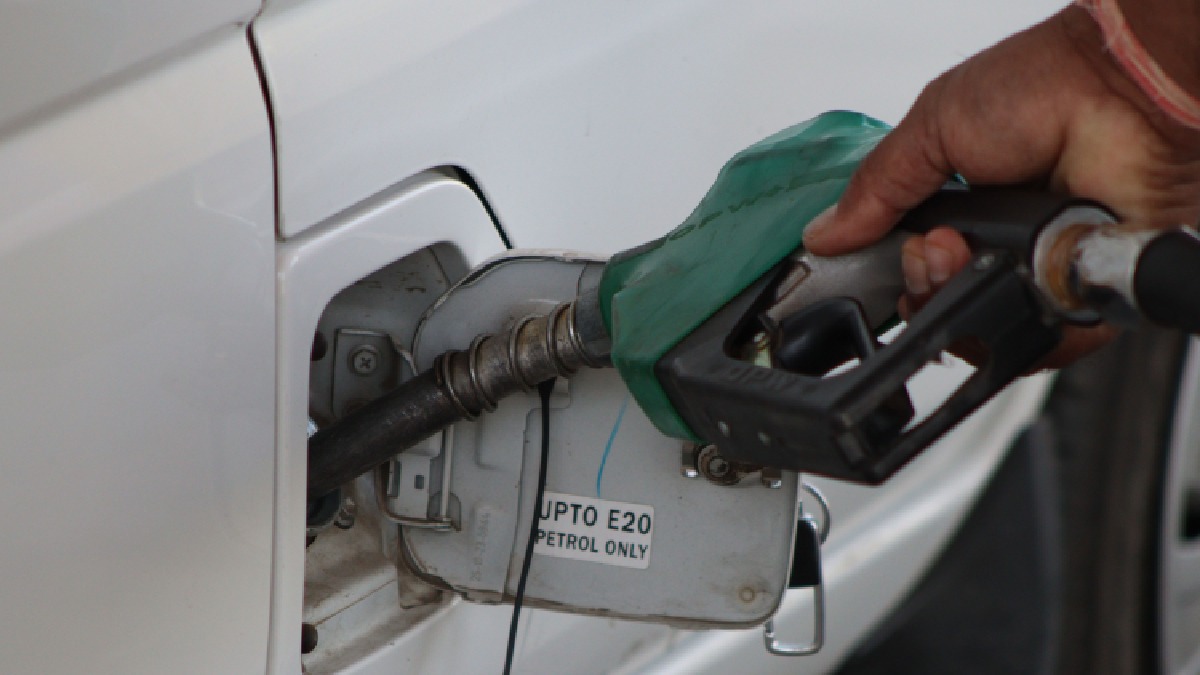
Union Road Transport and Highways Minister Nitin Gadkari has strongly defended the government's push for E20 ethanol-blended petrol, saying misinformation is being spread about the fuel and cautioning motorists not to blame ethanol for every mechanical issue in their vehicles.

That all comes at a time when popular YouTuber Sourav Joshi had originally claimed that the decreased mileage of his Mercedes-Benz SUV was due to E20 petrol. But he later said that the problem was actually due to an engine-related problem, not ethanol-blended fuel.
The controversy erupted after Mercedes-Benz India said that all of its BS VI petrol vehicles are fully compatible with E20 fuel, and that the fuel is safe for modern vehicles.
Gadkari Rejects Claims Against E20 Fuel
Responding to the debate, Gadkari said the government's roadmap for promoting ethanol-blended fuel has always been transparent and based on long-term national interests.
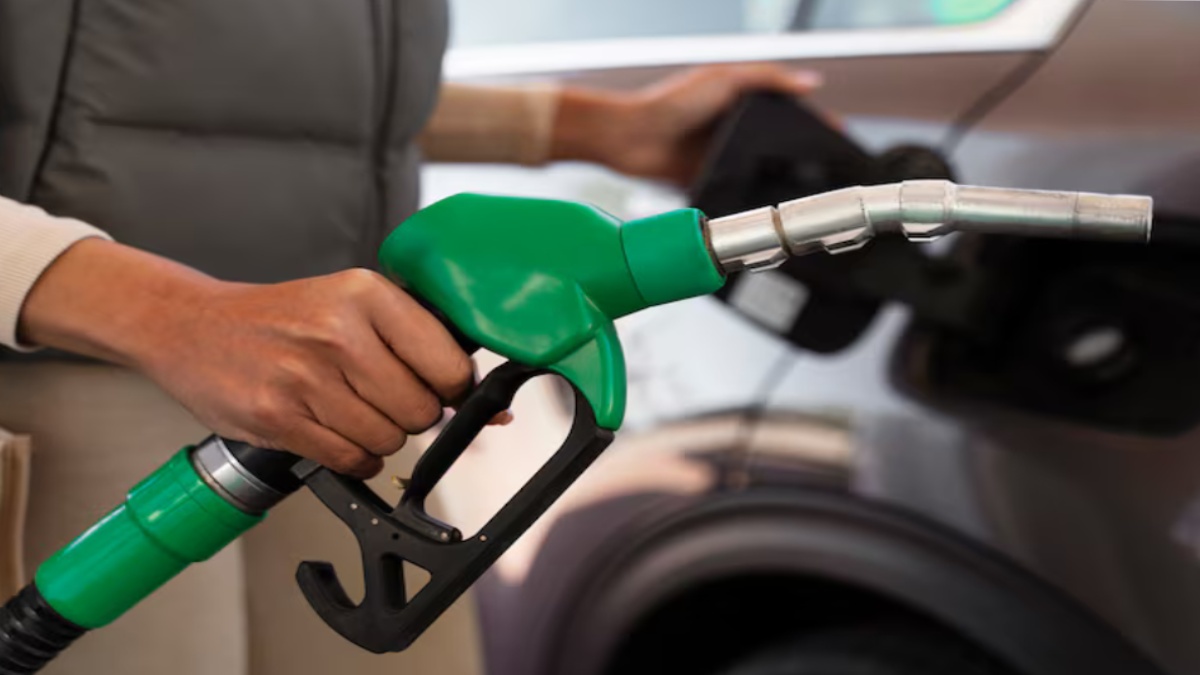
"The public is well aware of the facts. The policy and roadmap for transitioning to alternative biofuels have been discussed transparently and communicated at every stage," the minister said.
He said the aim of increasing ethanol blending is to reduce India's dependency on imported crude oil, enhance energy security and move the country closer to Atmanirbhar Bharat’s vision.
As Gadkari argues, ethanol is such a key part of India’s clean energy transition and will help to reduce fuel imports and support domestic agriculture.
'Every Mechanical Issue Is Not Caused by Ethanol'
Gadkari emphasized that cars, like any other machines, can accumulate faults over time and such problems should not be linked to ethanol-blended petrol.
"Like any machine, cars can have faults. No technology is 100 percent perfect. When a car has a problem, owners should have it inspected by the dealer and have insurance where possible. Not all mechanical problems are due to ethanol blending," he said.
The minister said vehicle owners are advised to follow the manufacturer's recommended inspection process when they experience performance issues and should not assume that E20 fuel is to blame for them instead of E20 fuel.
Mercedes-Benz Clarifies Compatibility
The debate intensified after Mercedes-Benz India explained that their BS VI-compliant petrol vehicles are designed to run safely on E20 petrol.
The clarification came after Sourav Joshi revised his earlier comments and admitted that the mileage drop in his SUV had been caused by an engine fault, not the fuel.
The company’s statement is one of the main references for the entire debate on ethanol-blended petrol, particularly among the owners of premium vehicles.
Government Continues Biofuel Push
India is gradually increasing ethanol blending in petrol as part of its overall strategy to reduce crude oil imports, lower carbon emissions and strengthen the country’s energy independence.
The government has always maintained that E20 fuel has been tested and is suitable for compatible vehicles. There is also a new batch of cars for higher ethanol blends in the form of new models in line with the government policy.
Gadkari said the transition to biofuels is not only an environmental one but also an economic one. Higher ethanol production creates more demand for agricultural products like sugarcane and maize and provides farmers with new income streams, which will reduce the fuel import bill in the country.
Debate Continues
Even though the government has assuaged the fears, questions about E20 fuel continue to be expressed on social media as well as by drivers and automobile owners about mileage, engine performance and long-term maintenance.
However, Gadkari said misinformation should not overshadow science or manufacturer guidelines. He said criticism of E20 fuel is often motivated by misconceptions and, in some cases, political motives rather than factual analysis.
As India moves to cleaner, alternative fuels, the government is committed to further ethanol blending and it calls on consumers to seek advice and services from authorised service centres in order to quickly identify any problems with the vehicles.
As manufacturers increasingly certify their vehicles for E20 compatibility, the debate will be part of the conversation and the Centre has made it clear that ethanol-blended petrol will continue to be a huge part of India’s future energy strategy.