For years, Mumbai’s definition of luxury was based on the visible: designer wardrobes, fine dining reservations, premium addresses, and flawless appearances. Now the city’s new aspiration is more inward: sleep scores rather than handbags, muscle mass rather than dress sizes, biological age rather than chronological age, and sustained energy levels rather than superficial perfection. Longevity is quietly becoming India’s new wellness obsession and not in a desperate bid for youth at any price but a more philosophical and meaningful question: How can we live better for longer? This cultural transformation is about regenerative medicine, tailored nutrition, strength training, metabolic health, and advanced recovery and the importance of health not only as a status symbol but as a way to be healthier.
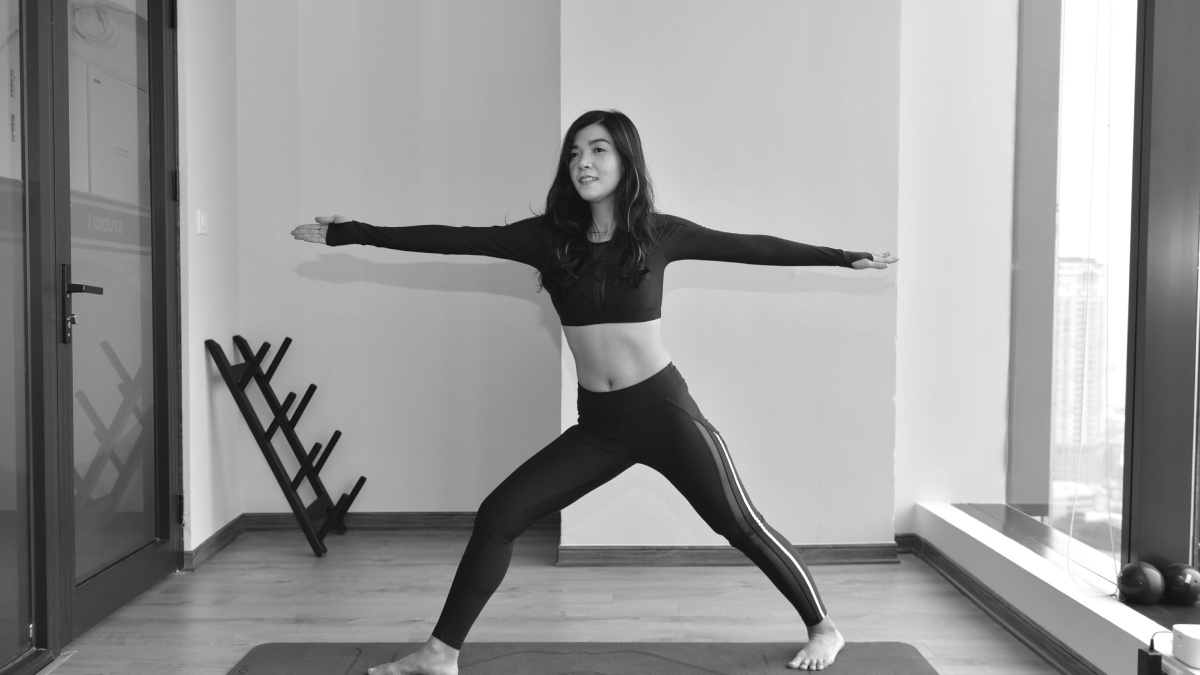
The wellness conversation has moved from anti-ageing creams and cosmetic quick fixes to healthspan (the number of years spent in strong physical, mental, and metabolic health). Dr. Rohan Goyal, regenerative medicine specialist and Founder of Nuvana, said urban consumers are finally moving from reactive medicine to proactive prevention by monitoring biological age, optimizing sleep, and managing chronic inflammation before illness strikes. This is the view of Prateek Lata of TEGO, who says longevity is not the purchase of years on expensive, superficial treatments but staying physically and mentally independent and mobile in a place where people can enjoy a high quality of life. Success in Mumbai is no longer measured by career or financial success but by an intentional focus on movement, nutrition, and mental peace.
This evolution is reflected in aesthetic medicine too, where practitioners like Dr. Aisshwarya Panddit of NOVEA Aesthetic and Regenerative Clinic see patients moving away from grand changes and instead asking how to maintain skin health over decades. For in-depth regeneration, ultrasound-guided facial mapping, and collagen stimulation, modern aesthetics are based on the body’s biology and not on unnecessary interventions. At the same time, the ecosystem has shifted to data-based biohacking: functional nutritionists such as Tanya Malik Chawla feel that wearable technology, monitoring glucose, and biological-age testing are common dinner table conversations. But Chawla insists that longevity is about delivering on measurable biological needs and not just following social media trends, especially regarding female healthspan and hormonal changes.
In the end, this shift is a reflection of Mumbai’s evolving relationship with wellness, from vanity to resilience, prevention, and strength. And Dr. Arpit Bansal, Chief Scientific Curator of The Longevity Summit India 2026, has good advice for us on that: As a cancer surgeon, the aim is to stop leaving health for later and embrace evidence-based science. And as a result, the city is no longer looking for eternal youth but rather for vitality—and the real luxury of tomorrow is to live well enough to enjoy every year we have.