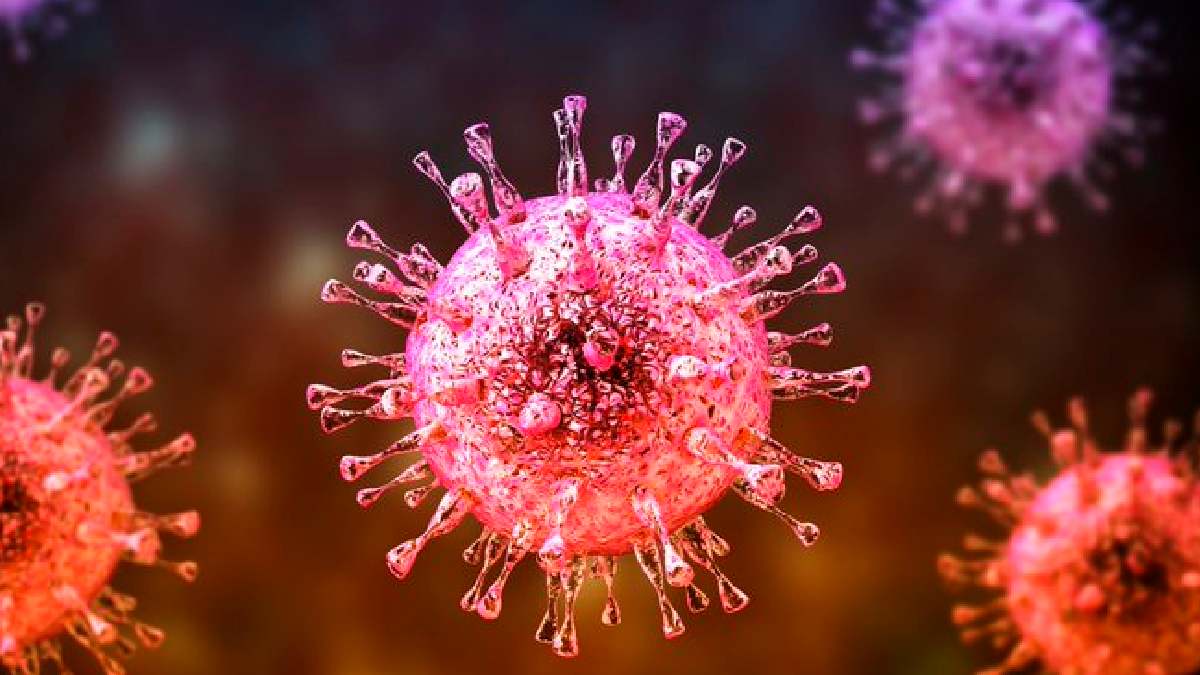
Nagpur has now had its first confirmed fatality related to Influenza A (H1N1) in the year 2026 (swine flu). In July, this bad news arrives at a bad time as our city is experiencing a sudden and severe rise in the seasonal flu. 15 laboratory-confirmed cases have also been reported in the last few weeks. It is estimated that this is more than 60 percent of the rate of H1N1-related infections in Nagpur for the entire year. Since January, Nagpur has been seeing 25 confirmed cases, and local health authorities have been rapidly stepping up for surveillance, diagnostic testing and public health awareness across the district.

The city's first swine flu death was confirmed by the local H1N1 Death Audit Committee. The committee reviewed the recent deaths from suspected viral complications. Based on medical histories, laboratory data, treatment history and pre-existing health conditions, experts concluded that one person died due to direct disease from the H1N1 virus. A second death was ruled out by experts and unrelated to the pathogen because the patient had many complex underlying comorbidities. Of the 15 cases which are known for July, the local records show that 13 of them were located quite close to municipal corporation boundaries and were reported locally.
In view of the growing number of cases, municipal authorities have formally directed hospitals and regional healthcare centers to be as vigilant as possible over cases of Influenza-Like Illness and Severe Acute Respiratory Infection. Medical professionals are instructed to ensure early diagnostic testing of all suspected patients to catch the virus when it is most effective. While H1N1 is now considered a predictable seasonal respiratory virus and not an unpredictable global pandemic strain, it can still cause severe illness, health officials say. Typical symptoms are characteristic of other flus, such as fever, dry cough, sore throat, body aches and fatigue, but can quickly turn into viral pneumonia and respiratory failure in the most vulnerable patients.
Medical professionals are pointing out that certain groups of people are at a much greater risk of developing life-threatening disorders. Adults age 65 and older, children under five years old, pregnant women, and people with some of the chronic conditions such as diabetes, asthma, heart disease and weakened immune systems are among those who come in high-risk groups. Anyone in these areas should be treated immediately if they find signs of problems with breathing (e.g., persistent chest pain or fever) or if they notice they are coughing and then ask for help. Health professionals also encourage the general public to do some simple preventive work like washing hands regularly, practicing proper respiratory etiquette when coughing, and staying home when sick so that we can stop the spread of monsoon-season.