The University of Oxford has found 14 Indian cities among the world's 50 most heat-vulnerable urban centres, illustrating the growing threat of extreme temperatures across the country. 205 cities with populations of over one million were selected based on three factors: exposure to extreme heat, social vulnerability and the city's ability to cope with increasing temperatures.
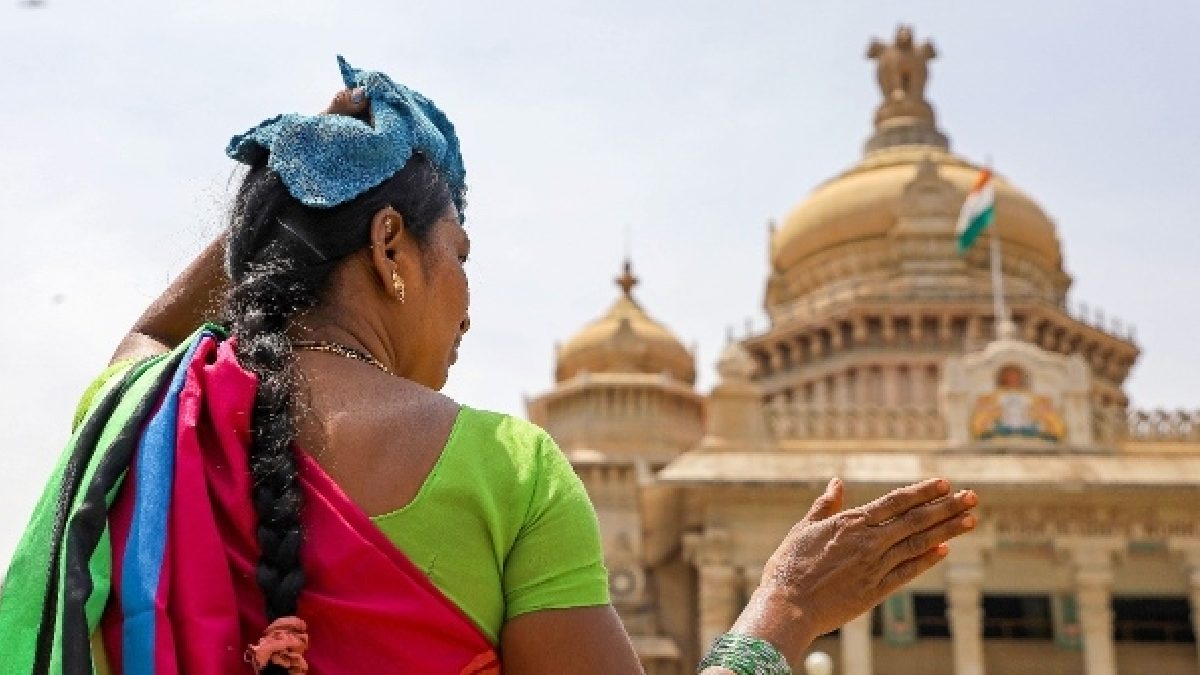
India has the highest number of cities in the top 50 cities in the world, highlighting how much of the problem that is happening in rapidly urbanising areas.
According to the study, some Indian cities are among the most vulnerable cities in the world. Ahmedabad is the second most heat-vulnerable city in the world, Nagpur is fourth, Madurai seventh and Hyderabad tenth.
Other Indian cities on the high-risk list are Bengaluru, Mumbai, Pune, Chennai, Kolkata, Jaipur, Lucknow, Kanpur, Patna and Bhopal. The researchers noted that vulnerability is not only measured by temperatures but also population density, lack of green cover, poverty level and access to cooling infrastructure.
The Oxford study underscores that heat risk goes beyond weather conditions. Cities were judged on hazard exposure, social vulnerability, and coping capacity. That means that even if two cities have similar temperatures, the one with poorer infrastructure, fewer green spaces, and a larger vulnerable population will be at greater risk.
So many Indian cities are experiencing rapid urbanisation and the shrinkage of tree cover, shrinking water bodies and increased concrete development, which all contribute to the urban heat island effect.
Bengaluru and Mumbai are among the cities that are mentioned, in part, because they have traditionally been regarded as relatively milder climates. But experts say that unchecked urban growth, loss of lakes and green spaces, and increased population pressure are driving up the intensity of heat stress even in these metropolitan centres.
Hyderabad, which was ranked among the world’s top 10 most heat-vulnerable cities, has seen days above 40 degrees Celsius increase dramatically in recent years, which is consistent with more general warming in India’s urban environment.
More than 95 per cent of the world’s highest-risk cities are concentrated in South and Southeast Asia and Sub-Saharan Africa, according to the findings. Social inequality is important for heat vulnerability, researchers say. And those living in densely populated neighbourhoods, informal settlements or areas of low electricity and cooling access are at higher risk in extreme heat events. This is why heat is an issue of public health and urban planning, not just climate change.
The report serves as a warning for policymakers and city planners. Increasing urban green cover, restoring water bodies, improving building designs, implementing heat action plans and strengthening public cooling infrastructure are all suggestions for climate change adaptation.
As global warming intensifies heatwaves, the Oxford study makes it clear that Indian cities should invest in climate resilience and adaptation to protect millions of people from the mounting heat and what the Oxford study describes as “the rise of the high-energy heat.”