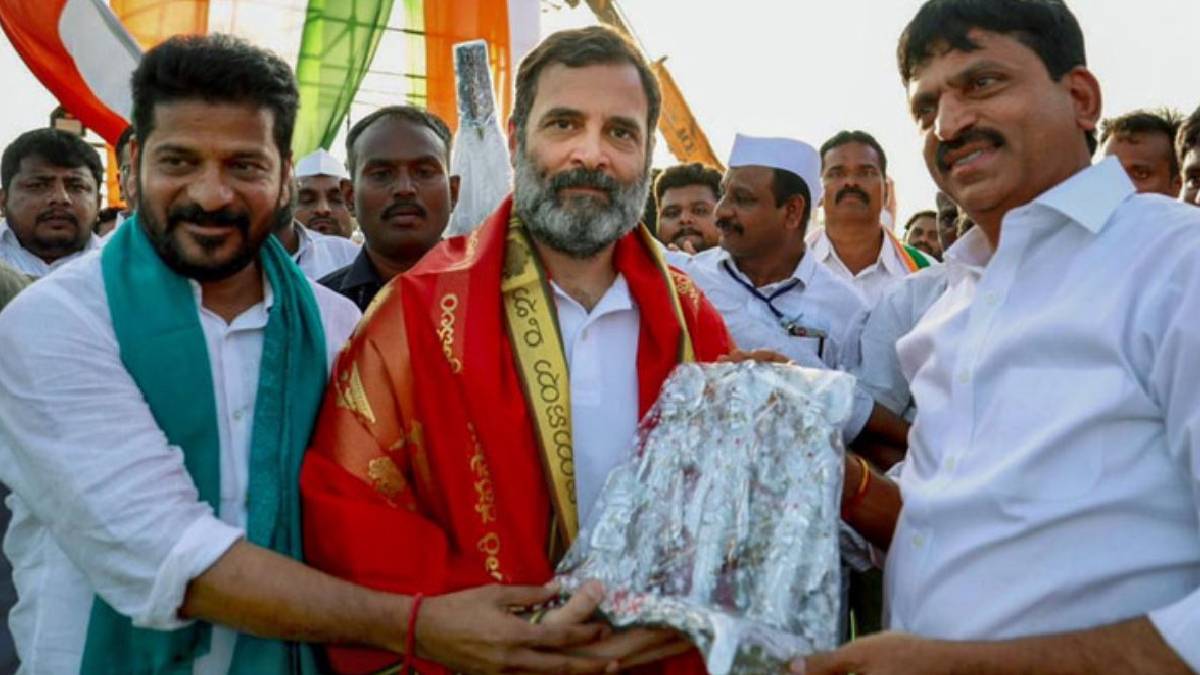
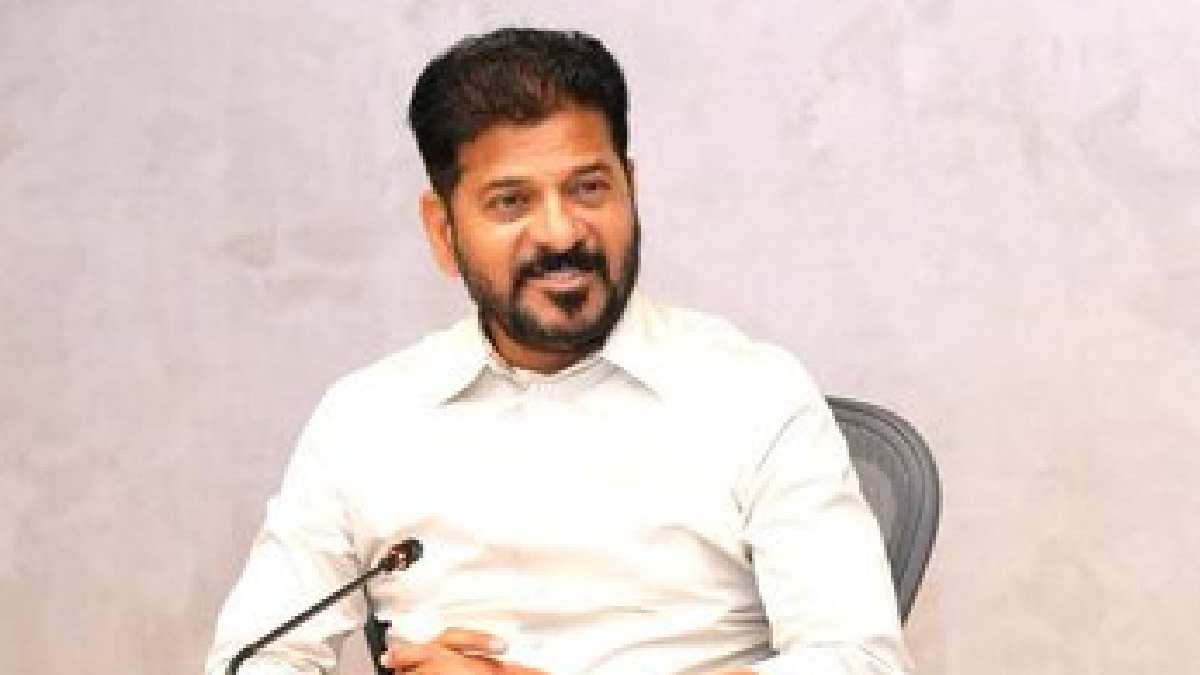
Telangana Chief Minister A. Revanth Reddy has made a bold political statement and has said that he will appoint a Generation Z (Gen Z) representative as Education Minister if Congress leader Rahul Gandhi becomes the Prime Minister of India. The remark, made in public, has been discussed in public due to the fact that it is to the youth that the policy-making and leadership in education has been directed and that they are not in the younger generation.
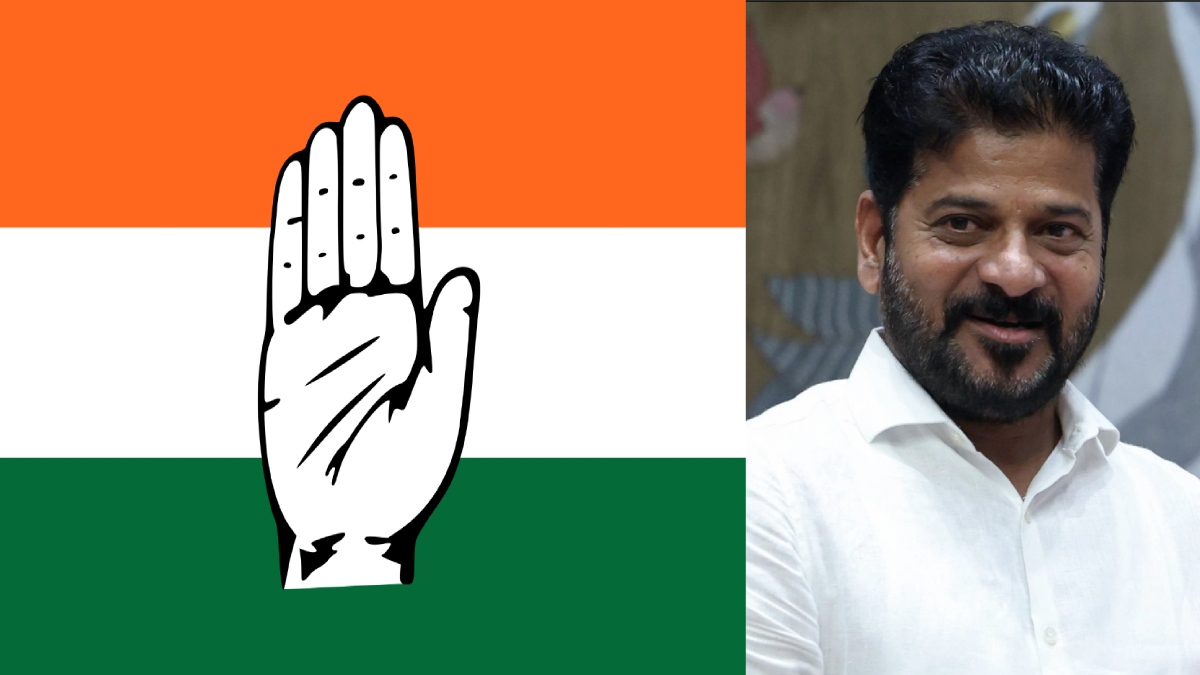
When Revanth Reddy discussed the importance of empowering young people, he said that today’s youth have new ideas, technological knowledge, and a better understanding of the rapidly changing educational environment. He said that the education system must adapt to the students in today’s world of digital education and that more youth leadership will help to shape policies that are more relevant to future generations, and that a bigger representation of younger leaders would help in this.
His statement is in line with the Congress party's larger agenda for youth participation in public life and engagement with politics as a whole. Rahul Gandhi has talked about this in the past and has been discussing opportunities for young people to become leaders, play a bigger part in politics, and make sure that governance is representative of India’s large youth population. Revanth Reddy’s comments really helped to support this narrative by saying leadership positions should also be available to young people with innovative ideas.
The Chief Minister said education is one of the most important sectors in the country’s future and that decisions regarding curriculum, digital learning, skill acquisition, and employment-oriented education need to take into account the opinions of the younger generations. Today’s young students are being brought up in an age of technology, artificial intelligence, innovation, and global competition, so policymakers need to be aware of these changing conditions, he said.
Though the statement was framed as a hypothetical situation—in which Rahul Gandhi is elected Prime Minister—it was immediately in conversation in the political sphere and on social media. The comments were seen by Congress supporters as a progressive vision for the future, and for young people to have a more active role in government. They said India, with the world’s largest youth population, could benefit from having more young professionals and leaders involved in key ministries.
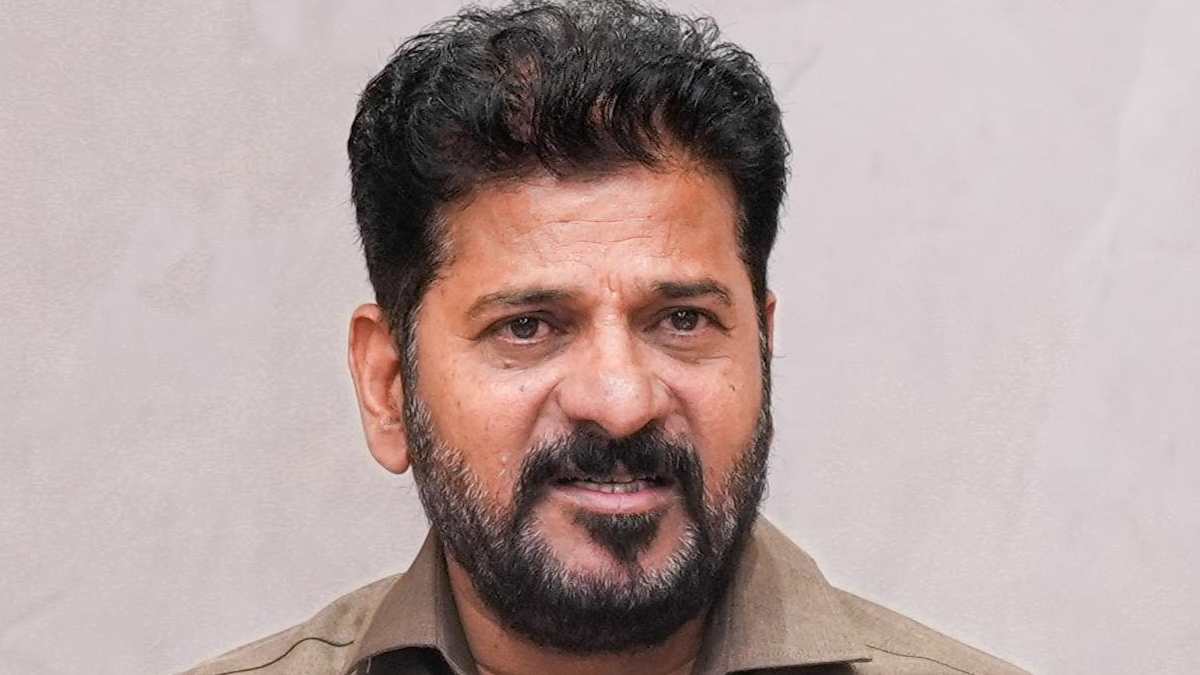
On the other hand, political opponents challenged the practicality of the proposal and argued that it was a political declaration ahead of future elections. They said ministerial appointments should not be made primarily based on age but rather on administrative experience, expertise, and constitutional processes, rather than generational identity alone. The mixed responses to the proposal highlight the difficulties in balancing youthful leadership with governance experience.
Gen Z is the term that usually refers to people born in the late 1990s and early 2010s, and it is the generation that has grown up with smartphones, social media, and digital technologies, making them one of the most technologically aware generations to date. In fact, governments all over the world have recognized that younger people are very knowledgeable in terms of digital education, climate change, entrepreneurship, innovation, and employment.
Education experts have often stressed how important it is for students and young professionals to be involved in policy discussions. Although constitutional ministerial appointments are the prerogative of elected governments, broader consultation with youth can help shape reforms that better address contemporary educational challenges. Digital classrooms, vocational training, artificial intelligence, mental health support, and industry-based learning have become more and more important in education policy.
Revanth Reddy’s comments have also reignited talk of youth representation in Indian politics. India has a large share of young voters, and political parties of all kinds have become more and more concerned with issues of employment, higher education, startup ecosystems, and digital opportunities. Calls for more young people to get involved are often related to the idea that the aspirations and concerns of young people might be better understood by young leaders.
Hence the statement is only a political statement and not a policy statement that can be taken as policy. The fact is that ministerial positions will ultimately depend on electoral outcomes, constitutional procedures, and the government’s decision-making processes.
Yet Revanth Reddy’s words have only strengthened the position of young people in Indian society and in the future of education in particular. His comments have thus made a new and fresh voice for youth in governance and the debate on how to prepare India’s education system for the challenges and opportunities of the 21st century.