
Polycystic Ovarian Disease (PCOD) is one of the most common health issues faced by women today. It is a hormonal disorder that affects the ovaries, leading to irregular menstrual cycles, cyst formation, and difficulties with fertility. According to the World Health Organization, millions of women worldwide are affected by this condition.
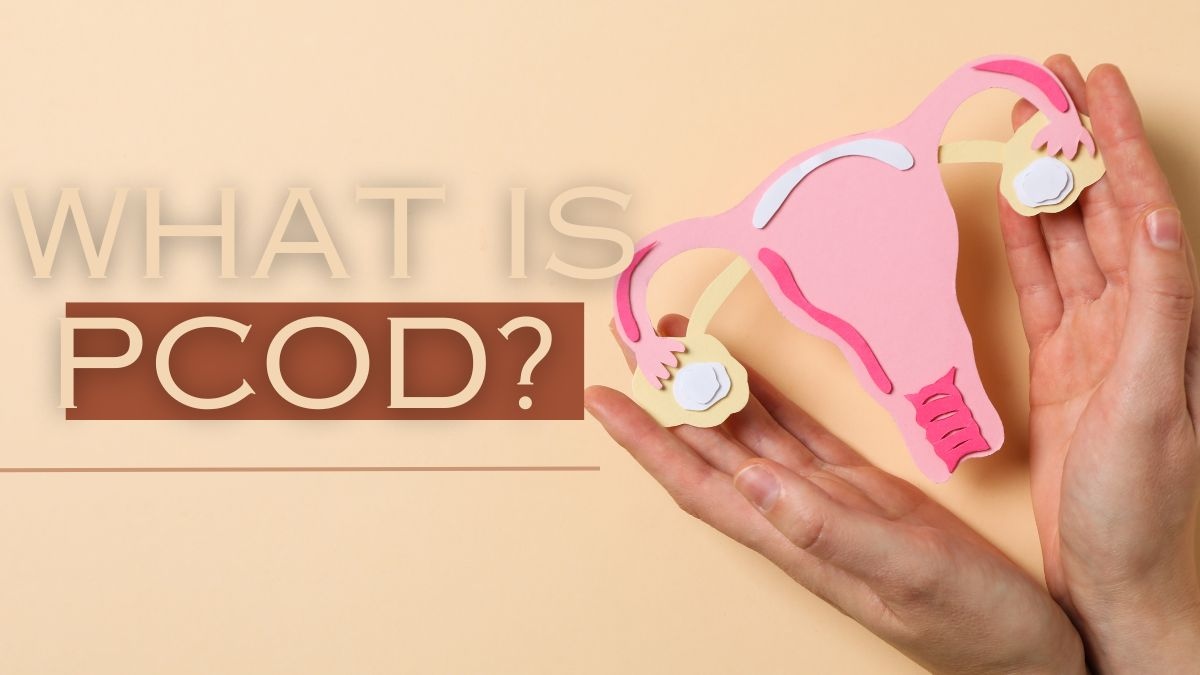
What is PCOD?: PCOD occurs when the ovaries produce an excess of male hormones (androgens). This hormonal imbalance interferes with the release of eggs during ovulation, causing irregular periods. Women with PCOD often develop multiple small cysts in their ovaries, which is why the condition is named “polycystic.”
Causes and Risk Factors: The exact cause of PCOD is not fully understood, but several factors contribute:
- Hormonal imbalance: Excess androgens disrupt ovulation.
- Insulin resistance: Many women with PCOD have higher insulin levels, which can lead to weight gain and increase the risk of type 2 diabetes.
- Genetics: PCOD often runs in families.
Symptoms of PCOD: Women with PCOD may experience:
- Irregular or missed periods
- Weight gain, especially around the abdomen
- Excess hair growth on the face or body (hirsutism)
- Acne and oily skin
- Difficulty conceiving
Health Risks: If left untreated, PCOD can lead to serious health problems such as infertility, diabetes, high blood pressure, and even endometrial cancer.
Treatment and Lifestyle Changes: PCOD cannot be “cured,” but it can be managed effectively. Doctors usually recommend:

- Lifestyle changes: A balanced diet, regular exercise, and weight management help reduce symptoms.
- Medications: Hormonal treatments can regulate periods, while insulin‑sensitizing drugs help manage blood sugar.
- Fertility support: Women trying to conceive may need special treatments to stimulate ovulation.
Psychological Impact: Beyond physical symptoms, PCOD can affect mental health. Women often struggle with stress, anxiety, or low self‑esteem due to weight changes or appearance issues. Counseling and support groups can help manage these challenges.
PCOD is a widespread condition that affects women’s health, fertility, and overall well‑being. While it is not curable, it is manageable with the right combination of medical care, lifestyle adjustments, and emotional support. Awareness is key — understanding PCOD helps women take control of their health and prevent long‑term complications.











Comments
Leave a Comment