
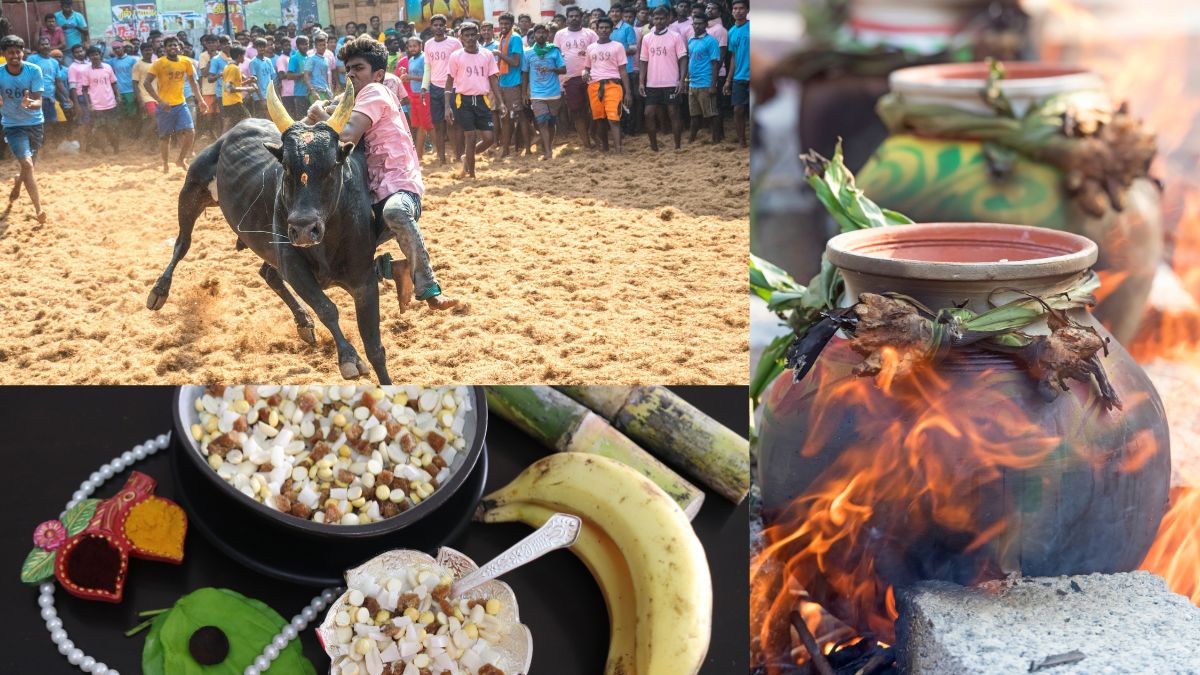
As winter’s chill begins to recede, the pulsating fields of Tamil Nadu and much of South India prepare to celebrate Pongal, the harvest festival. For 2026, those celebrations are unique as the anniversary of an agricultural season and the sun’s change into the zodiac sign Capricorn (Makar Rashi) arrives. Pongal’s observance is concentrated in Tamil Nadu, where it is a four-day Thanksgiving Ceremony of Nature, Sun God (Surya) and the cattle that are enabling farming. The dates, rituals and traditions of Pongal 2026.
When is Pongal 2026?
Key Dates While the primary celebration of Thai Pongal typically takes place on January 14 or 15, the whole festival itself takes four days. For 2026, the dates are:
| Day | Name of the Day | Date |
| Day 1 | Bhogi Pongal | Wednesday, January 14, 2026 |
| Day 2 | Thai Pongal (Surya Pongal) | Thursday, January 15, 2026 |
| Day 3 | Mattu Pongal | Friday, January 16, 2026 |
| Day 4 | Kaanum Pongal | Saturday, January 17, 2026 |
Note: Depending on the Sun, the parties happen on January 13 (Sankranti moment) in some local calendars, but official public holidays of Tamil Nadu generally start on January 14th.

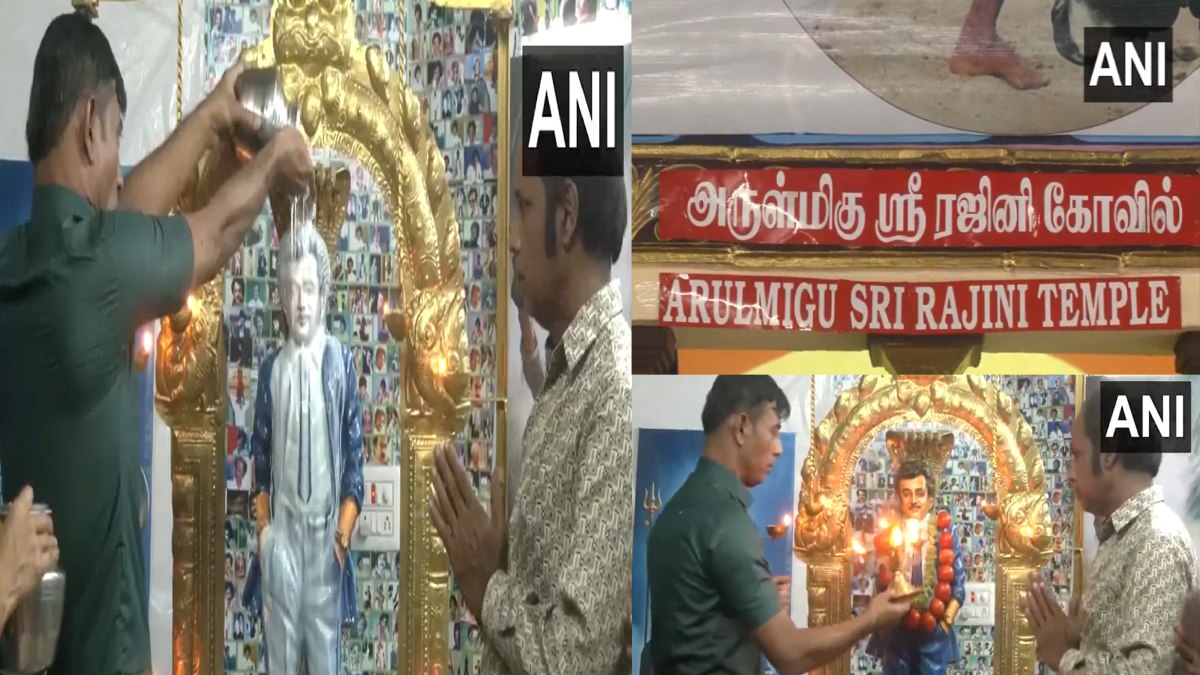
Ceremonies and meaning of the Four Days of Celebration
Habits for Day 1 Bhogi Pongal
Day 1: Bhogi Pongal — Indra, the God of rain. Bhogi is the act of “getting rid of the old as to open the way for new.”
- The Ritual: Families clean their houses and dispose of old and unused belongings.
- The Bonfire: People light a bonfire called Bhogi Mantalu by burning wood and cow-dung cakes early on in the morning. This is a symbol of shedding former bad thought patterns and bad habits.
- Decoration: Freshly seasoned kolams (rangoli) and marigold garlands decorate homes.
Day 2: Thai Pongal (The Main Harvest Day)
The busiest day of the festival, it corresponds with Makar Sankranti. It is the first day of the Tamil month which is the month of Thai.
"Pongalo Pongal!": When milk boils in pot, relatives yell “Pongalo Pongal!” to commemorate overflowing abundance and prosperity.
- Sun Worship: It is offered to the Sun God (Surya Dev) as an offer of thanks for the harvest.
Day 3: Mattu Pongal — Recognize the Cattle
"Mattu" means cattle. The Day marks a recognition of the essential role played by cows and bulls in traditional farming.
Cattle are bathed, their horns painted in bright color and their surrounding fabric is either woven of metal or decorated with ornamental beads. Flowers and bells tie these animals' necks as well.
There is a legend of Nandi. This day is the story of Lord Shiva's bull Nandi, who went to earth. Nandi used human help, such as working in an effortless way, for good.
Today, Jallikattu--that great bull-taming act--is practised in the village traditional mode.
Day 4: Kaanum Pongal (Social Bonding)
Meaning to visit: “Kaanum”. On the last day, family life emphasizes community and family ties.
- Kaka Pidi: The women carry out this ritual by putting the leftover food on ginger or turmeric leaves to satisfy crows and birds. It is a prayer for them to be happy and long-lived like good brothers.
- Outings: Families get dressed and visit relatives or eat picnics on beaches, parks or temples.
- Community Games: Traditional dance and music performances, along with community feasts are common in the villages as part of the celebration of the festival.
What Makes Pongal Special?
Unlike some religious festivals whose culture and their spiritual aspect are heavily reliant on agrarian and environmentally sustainable traditions, Pongal is so. The food is prepared from natural elements such as sugarcane (for sweetness), turmeric (for purity), and earthen pots (symbols of the Earth).

Comments