
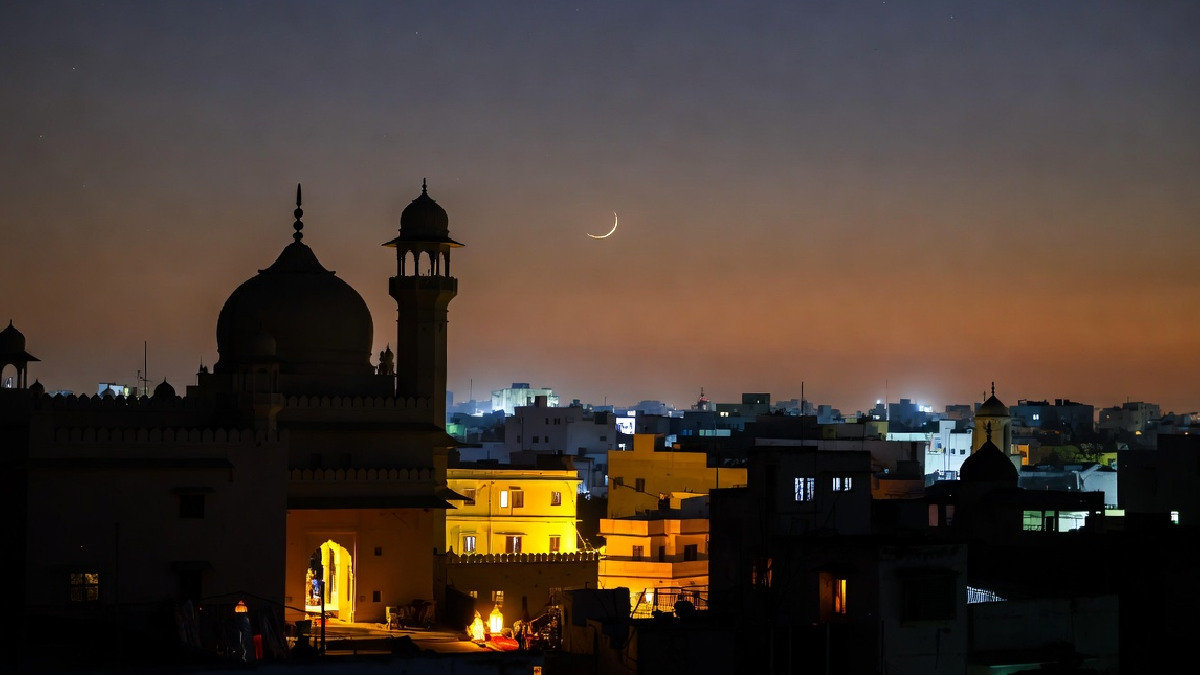
Ramadan is the ninth month of the Islamic calendar in which Muslims around the globe practice fasting, prayer and reflection. During this sacred period, adherents fast from dawn to sunset and start their day with Sehri – which is the meal before dawn – followed by Iftar (the evening meal) to break their fast. In 2026 Ramadan is forecast to start from around February 17–19, depending on the sighting of the moon in different regions, and will continue until mid-March. Sehri and Iftar dates are a matter of geography, according to geographical location and local sunrise and sunset.
Ramadan 2026 Dates
Ramadan in Saudi Arabia and Gulf countries is expected to begin on February 17–18, 2026. In South Asia (India, Pakistan, Bangladesh) the first fast may start on February 18–19, 2026. Moon sighted or not, the month will conclude around March 18–21, 2026.
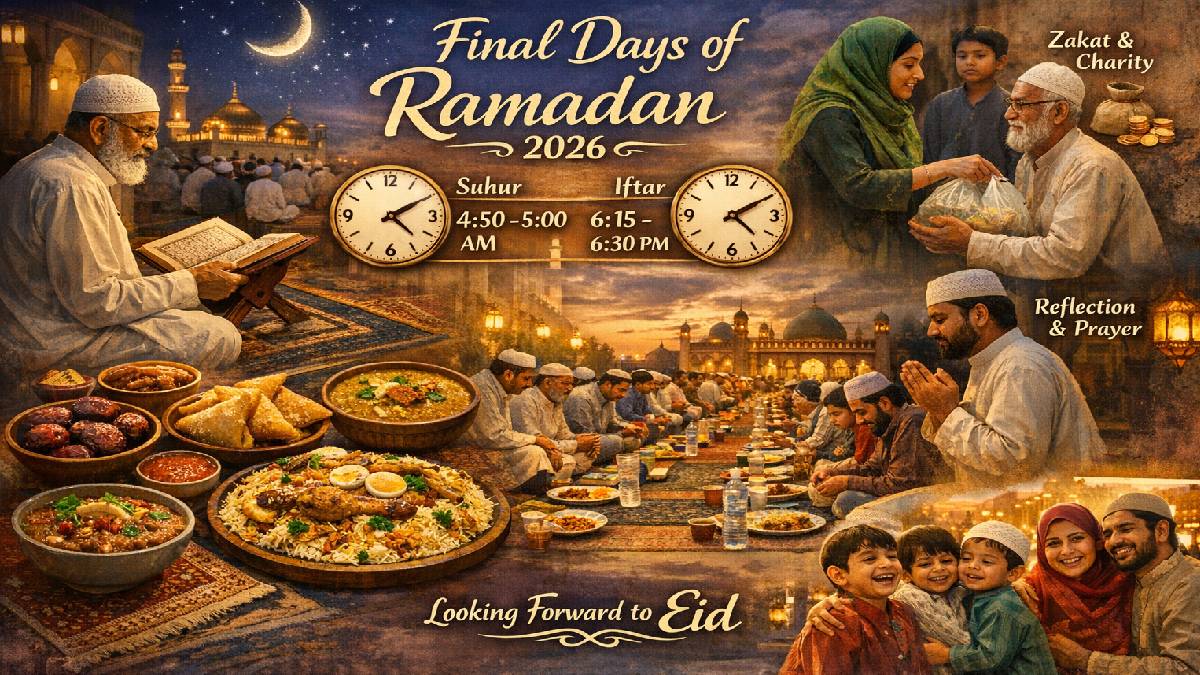
Sehri and Iftar Timings
The times for Sehri and Iftar are not fixed for the entire month. They shift on a daily basis, with dawn and sunset times shifting ever so slightly. As on the first day of Ramadan 2026:
- In Makkah, Sehri will be at around 5:25 AM and Iftar 6:15 PM.
- Sehri will be around 5:45 AM in Karachi, and Iftar around 6:30 PM.
- In Delhi, Sehri will be 5:30 AM and Iftar 6:05 PM.
- Sehri in London will be around 5:20 AM and Iftar 5:25 PM.
- In New York, Sehri will be about 5:25 AM and Iftar 5:40 PM.
These are approximate times, and they will be altered daily. Muslims generally cite local mosque announcements or Islamic calendars for precise timings.
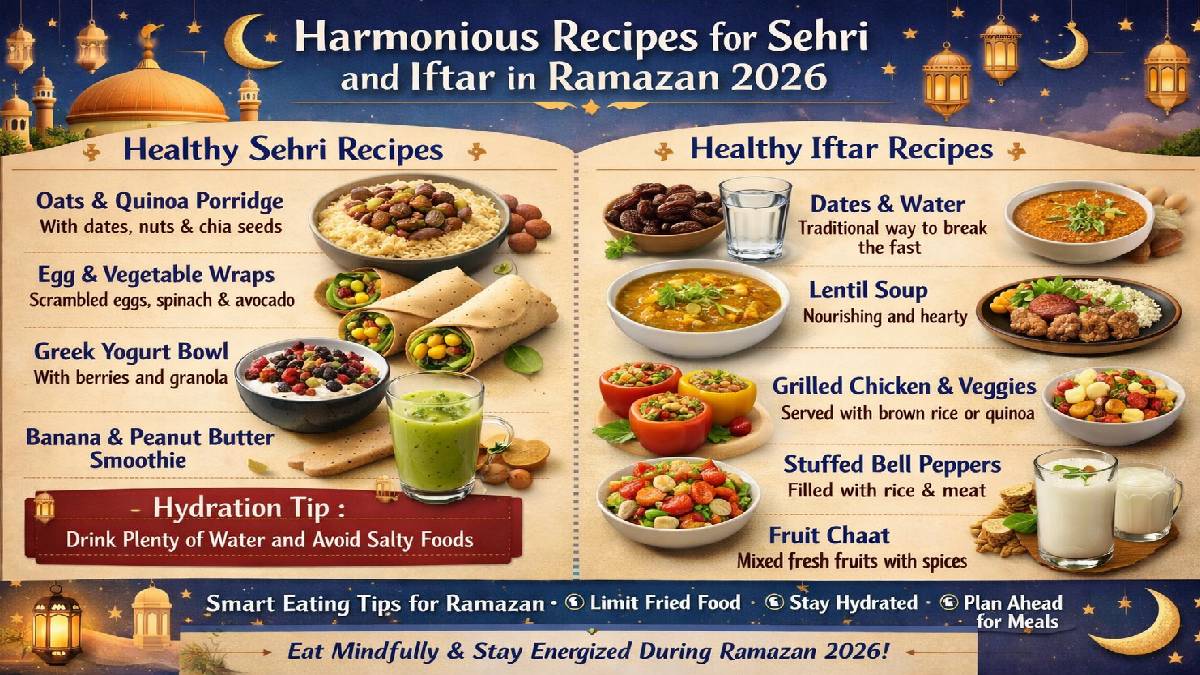
Sehri and Iftar are extremely significant. Sehri is one of the blessings of all, with great strength in its wake for fasting the day ahead. Iftar as a meal for Ramadan is a celebration of love and thanks. It typically starts with dates and water. It’s followed by traditional foods. In communities and families gather to share food. So together, the spirit becomes strong.
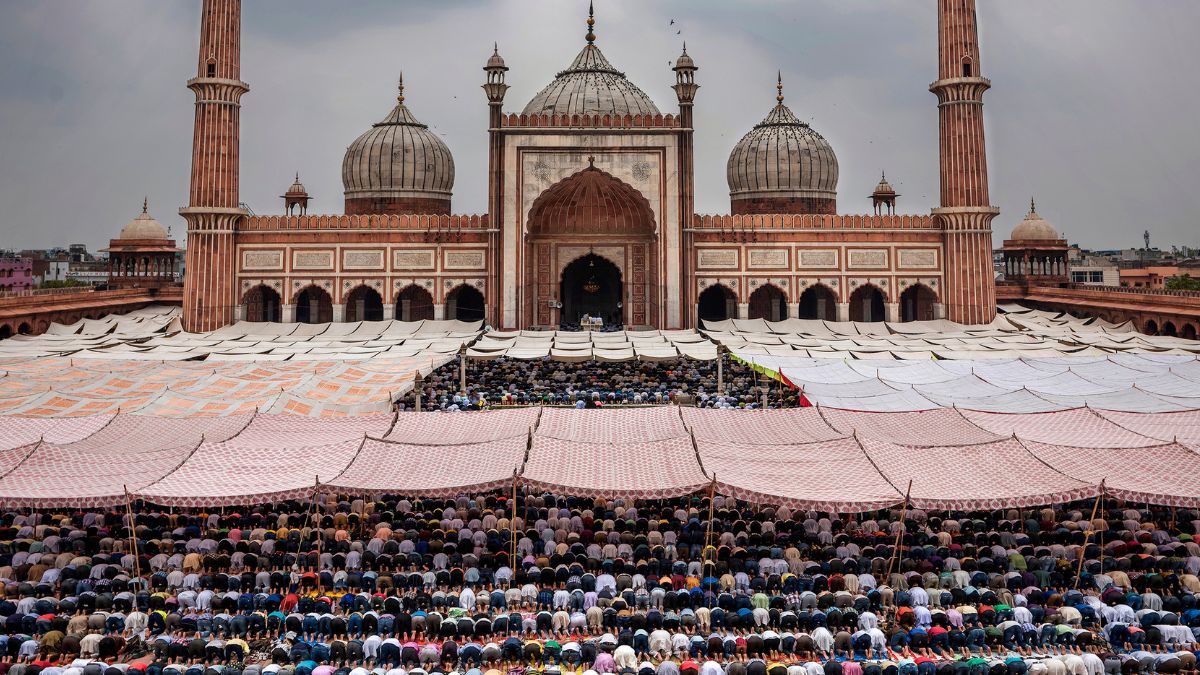
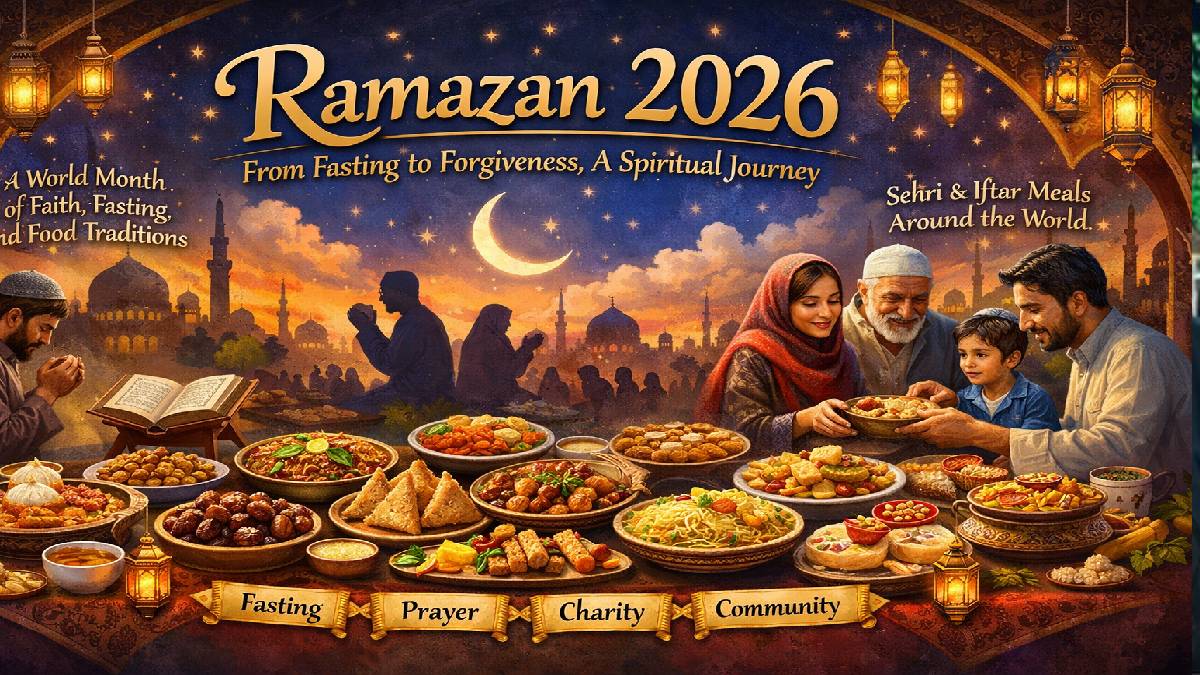
Ramadan 2026 will be observed throughout the world together with the spirit of love and togetherness in hearts and in the spirit of humanity. But while the exact dates and timings depend upon moon sighting and location, at the center remains the same -- fasting, prayer, charity and reflection. Muslims are urged to utilize local calendars or apps for precise Sehri and Iftar times in their cities.




Comments
Leave a Comment