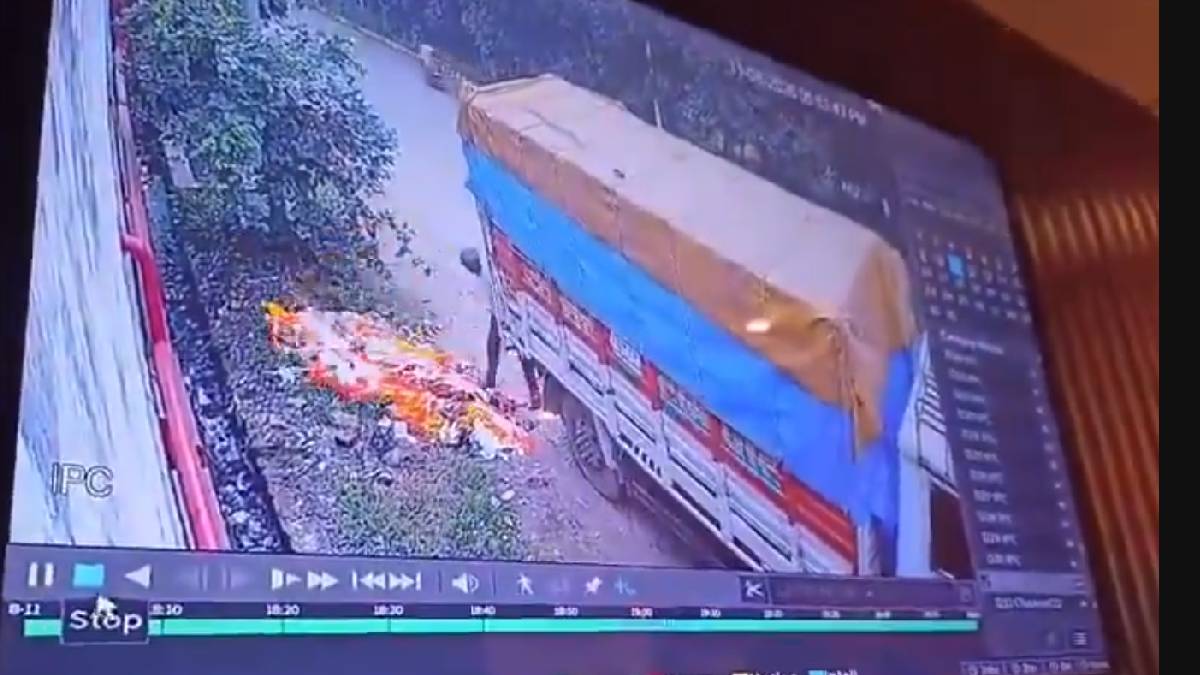
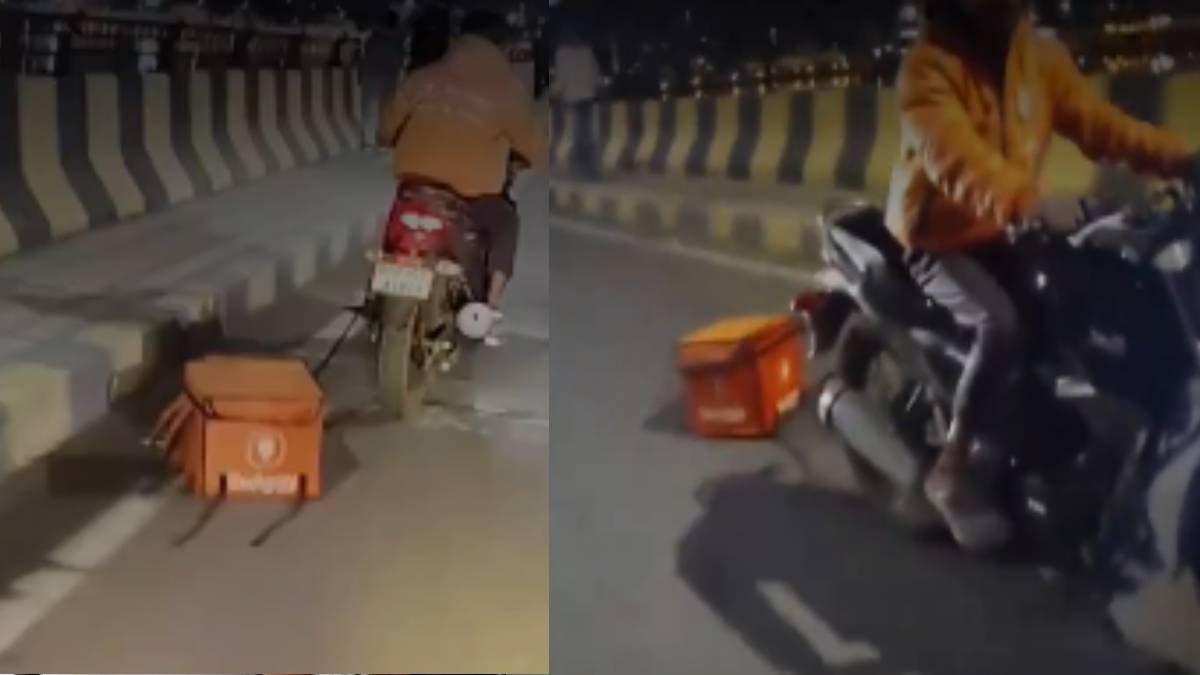
Millions enjoy food delivery on a daily basis. Within moments of pressing, meals arrive at your doorstep. But this comes with a paradox: delivery riders put in long hours for delivery, face rising fuel prices and dangerous roads. Recently, a rider called Swiggy took his anger out on the road dragging bags full of his own delivery onto the road while riding his bike. His move was not purely out of frustration; his act was a protest against unfair wages.
The rider admitted that he was paid ₹35 for covering even a mere 6.2 km. On paper it might seem like a small but reasonable sum. In fact, it scarcely covers petrol costs. After considering fuel costs, maintenance costs, physical effort and the like, the payout becomes exploitation. The rider felt angry because he knew what he was working so hard for was being undervalued.
It was a symbolic way of dragging the delivery bag on the road. It demonstrated how riders feel crushed under the weight of unfair wages. The bag, intended to transport food to customers, in turn was a flash point of protest. The rider dragged it, and then said: A system that’s dragging workers down while the customer is getting their cheap convenience and the companies are profiting.
Delivery riders are often manipulated by algorithms that determine payouts and place orders. They do not very well reflect human effort or risk or dignity. Riders encounter traffic, weather and safety threats every day and come away with minuscule wages. The rider’s protest points to how the gig economy is passing costs on to workers while positioning itself as a system that is efficient and modern.
The rider’s frustration is not about laziness or unwillingness to work. It is about fairness. When he says “₹35 for 6.2 km isn’t pay, it’s exploitation” he is describing the reality of many gig workers. They are not failing; their system is failing them. Exploitation becomes normal when risk and effort outweigh reward.
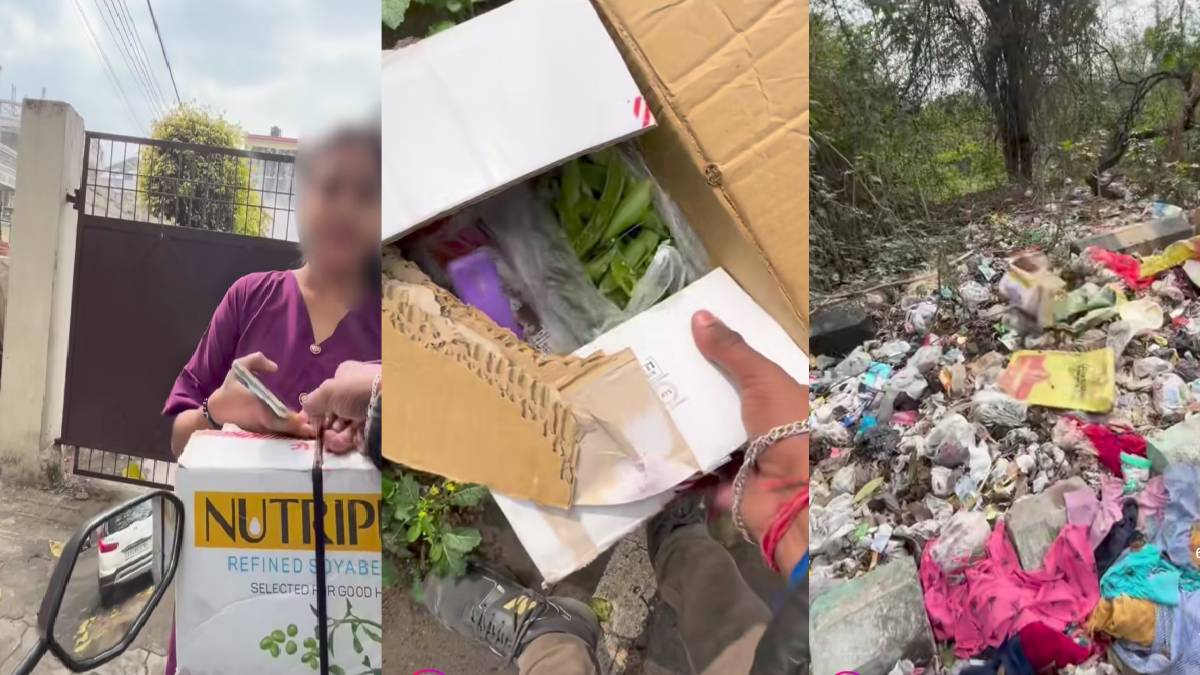
It reminded us that behind each delivery there is a human involved with whom dignity is owed. When exploitation is so normal, the system, not the rider, is broken. The gig economy has to change to appreciate workers, or it could end up losing those who keep it alive.