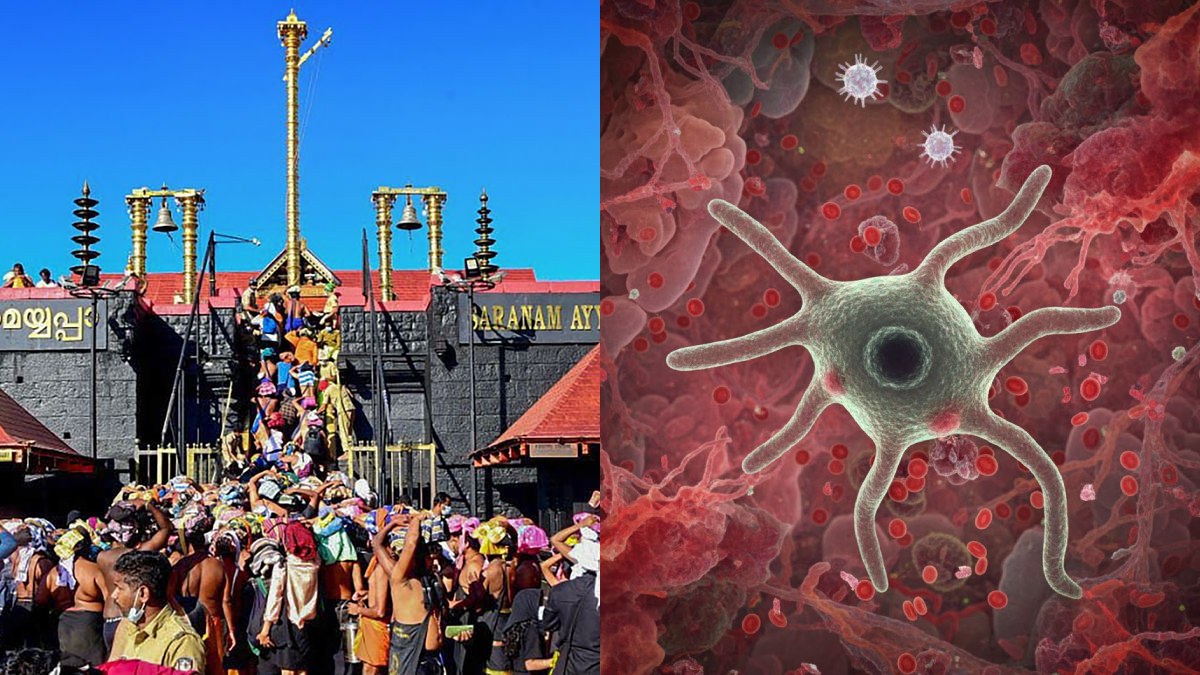
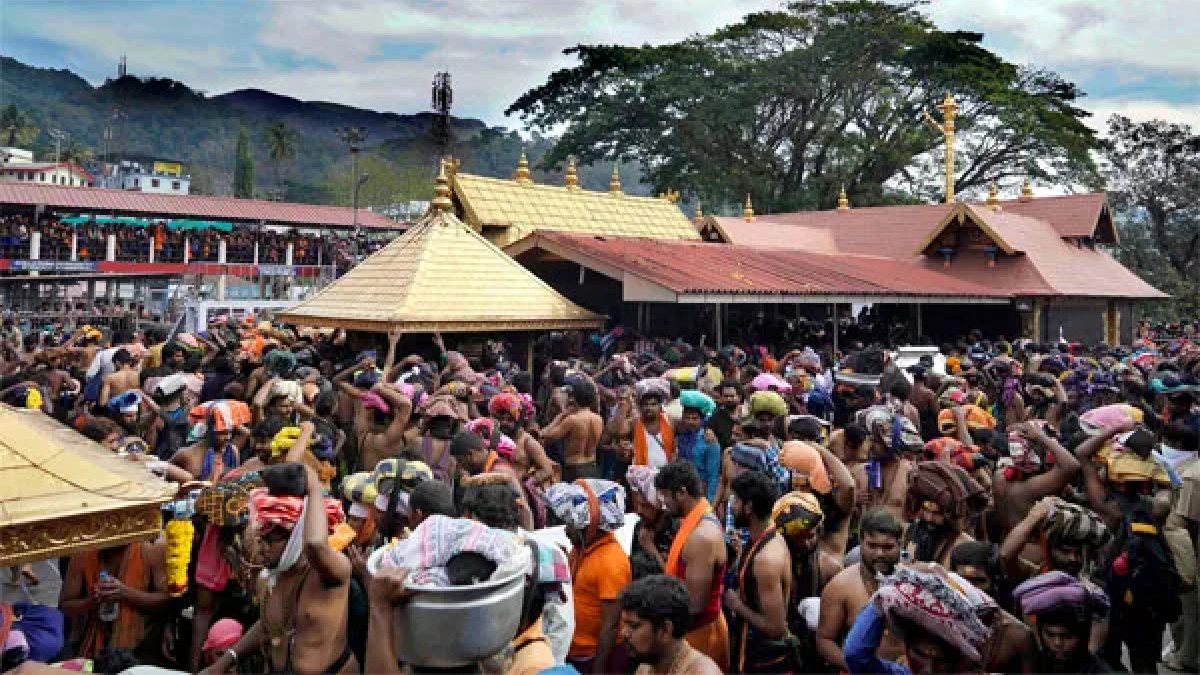
The Sabarimala pilgrimage is one of the most unique and rigorous spiritual journeys in the world. It is not just a physical trek but a transformative process, guided by the Mandala Vratam (41-day fast), which purifies the body, mind, and spirit of the devotee, transforming them from a mere pilgrim into a Swami (divine being).
How to Start the Sabarimala Ayyappa Vratam (The 'Malayidal')
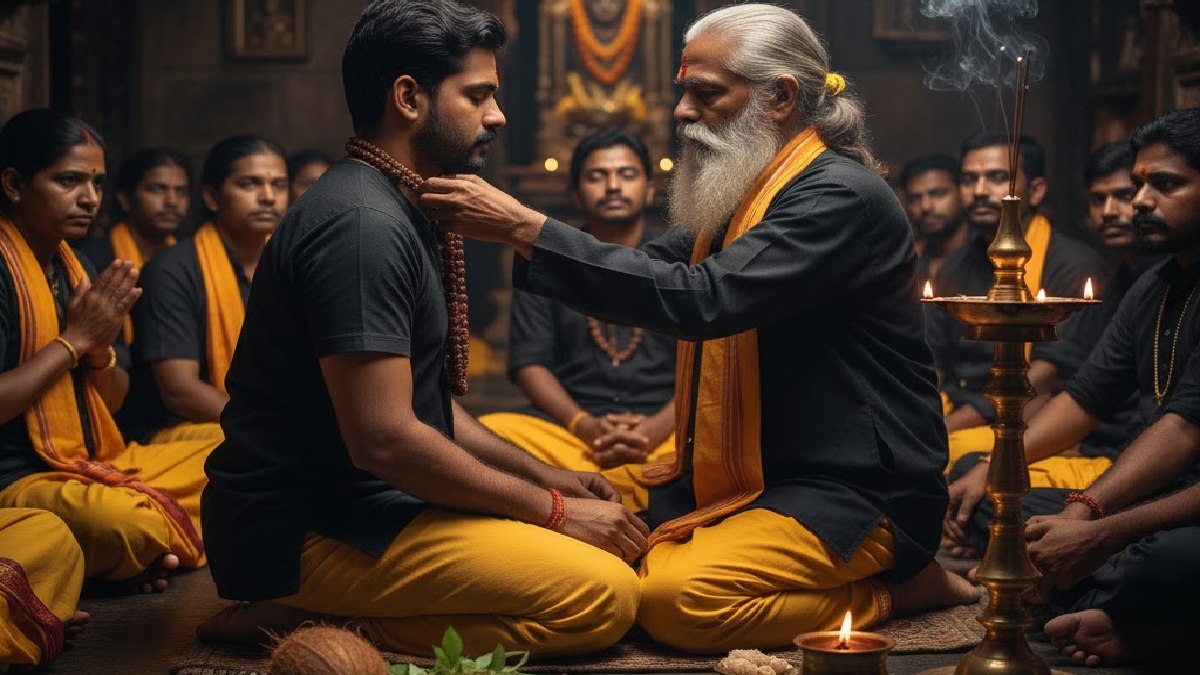
The initiation of the Vratam is a sacred ritual known as Malayidal (wearing the garland) and is the most important step in beginning the 41-day discipline.
1. The Initiation Ritual
- When to Start: The Vratam typically begins on the first day of the Vrischikam month in the Malayalam Calendar (mid-November), coinciding with the start of the Mandala Kalam (season). However, devotees can start the Vratam on any auspicious day, usually a Saturday or the day of the Uthram asterism (Lord Ayyappa's birth star).
- The Guru Swami: The devotee must approach a Guru Swami, an experienced pilgrim who has completed the Sabarimala pilgrimage at least 18 times. The Guru Swami acts as a guide and mentor throughout the Deeksha (vow) and journey.
- Wearing the Mala: The Mala (garland), usually made of Tulasi (holy basil) or Rudraksha beads with a locket of Lord Ayyappa, is traditionally worn by the Guru Swami, mother, father, or a temple priest. This act symbolizes the devotee surrendering their worldly desires and embracing the life of an ascetic for the duration of the Vratam. Once the Mala is worn, the Vratam officially begins.
- Dress Code: Devotees begin wearing simple, loose-fitting clothes in Black, Dark Blue, or Saffron (orange/ochre). These colours symbolize detachment from material vanity, the influence of Saturn (Shani), and the path of austerity, respectively.
2. The Daily Discipline
Once the Mala is worn, the devotee is referred to as 'Ayyappan' or 'Swami' and must strictly adhere to the following:
| Category | Dos (What to Do) | Don'ts (What to Avoid) |
| Purity | Bathe twice daily (morning before sunrise and evening after sunset) in cold water. | Avoid oil baths, shaving (hair/beard), and cutting nails. |
| Diet | Follow a strictly Sattvic (pure) vegetarian diet. Eat only freshly cooked food. | Strictly avoid meat, fish, eggs, alcohol, tobacco, and other intoxicants. Avoid consuming onion and garlic. |
| Worship | Perform Puja/Saranam chanting twice a day, typically including the 108 Ayyappa Saranams. | Avoid listening to or watching vulgar or excessive entertainment (movies, loud music). |
| Rest | Sleep on the floor (without a cot or pillow). | Avoid sleeping during the day. |
| Conduct | Address all male devotees as 'Swami' and all women (including wife) as 'Maligapuram' or 'Matha' (Mother). Practice charity (Annadanam). | Avoid lying, gambling, fighting, getting angry, or using harsh words. Do not use footwear (walk barefoot). |
Why Observe Celibacy (Brahmacharyam) for 41 Days?
The observance of celibacy (Brahmacharyam)—abstinence from all forms of sexual activity, lustful thoughts, and proximity with one's spouse—is considered the cornerstone of the Ayyappa Vratam. The 41-day celibacy serves a profound spiritual and practical purpose:
1. Honoring the Deity
Lord Ayyappa in Sabarimala is worshipped as a Naishtika Brahmachari (an eternal celibate). By observing Brahmacharyam, the devotee shows the highest respect for the presiding deity and seeks to align their own conduct with the Lord’s divine vow.

2. Conservation of Energy
In Hindu spiritual philosophy, Brahmacharyam involves the conservation of Ojas (spiritual energy or vital essence) that is believed to be dissipated through worldly pleasures. By strictly observing celibacy for 41 days, the devotee channels this conserved energy into spiritual growth, prayers, and self-control, making the body and mind highly receptive to the divine presence.
3. Mental and Spiritual Preparation
The Vratam is a process of transcendence. The 41-day duration is considered the time needed to break old habits and cement new, disciplined ways of living. The strictures, particularly celibacy and non-violence (Ahimsa), help detach the mind from sensual and material pleasures, promoting mental clarity, patience, and focus. This transformation is essential for the pilgrim to realize the sacred truth inscribed at the temple: "Tatwamasi"—Thou Art That (the God you seek is within you).
The Vratam is thus a test of willpower and devotion, preparing the pilgrim not just for the difficult trek through the forests, but for the ultimate goal: realizing their own inner divinity.