Smartphone brain is increasingly recognized by neurologists and mental health professionals who are seeing a growing number of patients whose concentration is failing, memory lapses, mental fatigue and attention spans are failing.
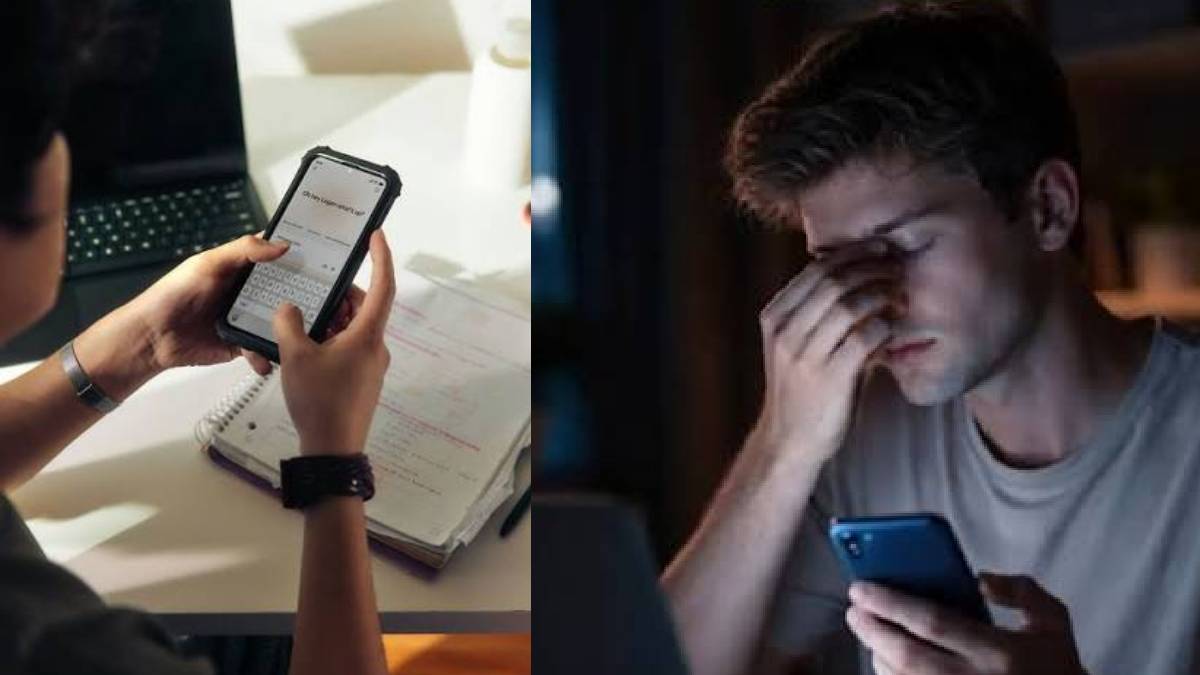
It is not a diagnosis but rather a set of cognitive symptoms that are related to smartphone use and long screen time.
What’s more, mobile phones are now an inseparable part of our day-to-day lives people spend hours every day glancing through social media, watching videos, responding to messages or switching between apps and checking the status of the apps and people’s lives.
Such continuous digital stimulation can affect the way the brain processes information and keeps them focused.
Neurologists say most patients especially teenagers and young adults are experiencing symptoms of forgetfulness, difficulty concentrating, mental exhaustion, poor sleep quality, and reduced productivity. These complaints are more likely to be related to excessive digital habits than neurological diseases.
The brain depends on continuous stimulation, and for many people it is no exception. The brain repeatedly switches to something else, and so the ability to focus on a task is difficult and time-consuming over time.
There is also research that indicates smartphone use can interfere with sleep. Blue light emitted by phone screens inhibits melatonin production the hormone that controls sleep.
Poor sleep further inhibits memory, decision-making, mood and overall cognitive performance.
Another emerging problem is “digital overload” in that the brain is inundated with news, social media feeds, emails and entertainment at times not enough time to rest. The information overload contributes to our anxiety, stress and mental fatigue, both in personal and professional life.
Children and adolescents are especially vulnerable since their brains are still developing. Health care experts recommend screen-time limits e.g., outdoor activities, reading books and talking to people and face-to-face conversations to help build healthy brain development.
Fortunately, neurologists say a great deal of brain symptoms on smartphones can be reversed by lifestyle change. Reducing unnecessary screen time, disabling non-essential notifications, digital detox periods, regular sleep schedules, exercising regularly and engaging in mentally stimulating activities like reading, puzzles, or learning new skills can restore cognitive function.
Mindfulness techniques such as meditation and breathing exercises can also help increase attention span and reduce stress in digital use.
Experts are not saying that smartphones are harmful. The key is to use technology carefully and not let it hijack our daily lives. Smartphones are still a great tool for communication, education, work, and entertainment, but balancing digital engagement with offline activity is critical for long-term brain health.
As neurologists have studied the long-term effects of smartphone consumption, one thing is clear: healthy digital habits are as important as healthy eating and regular exercise in protecting cognitive well-being.