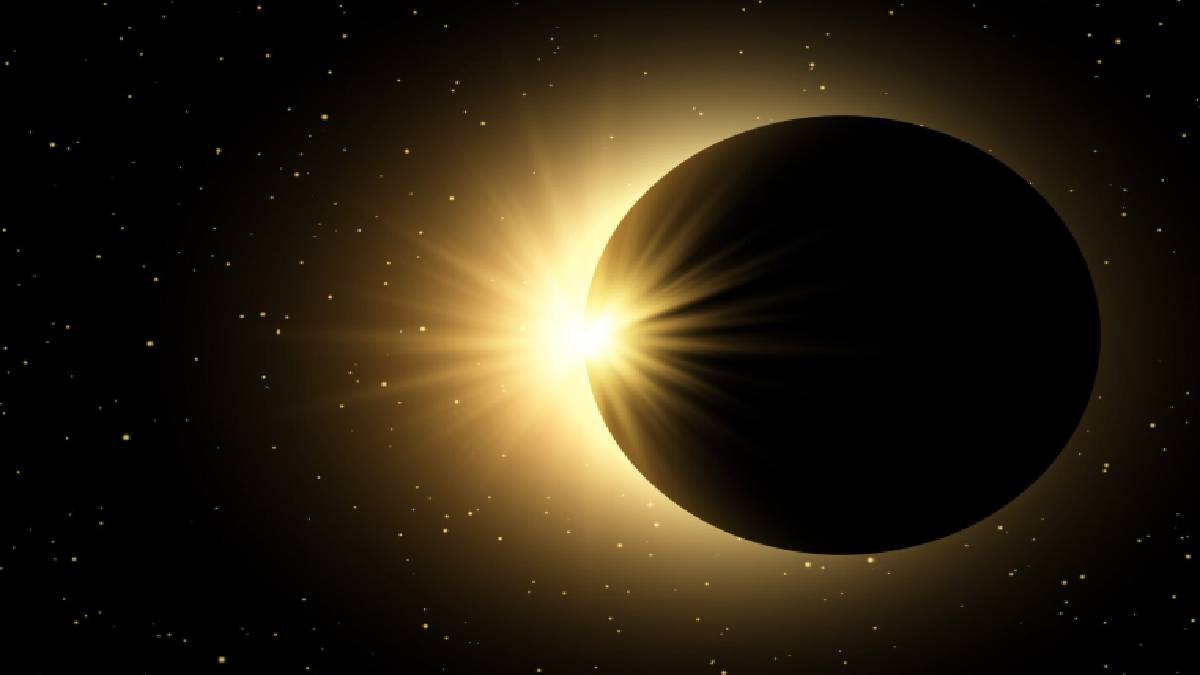
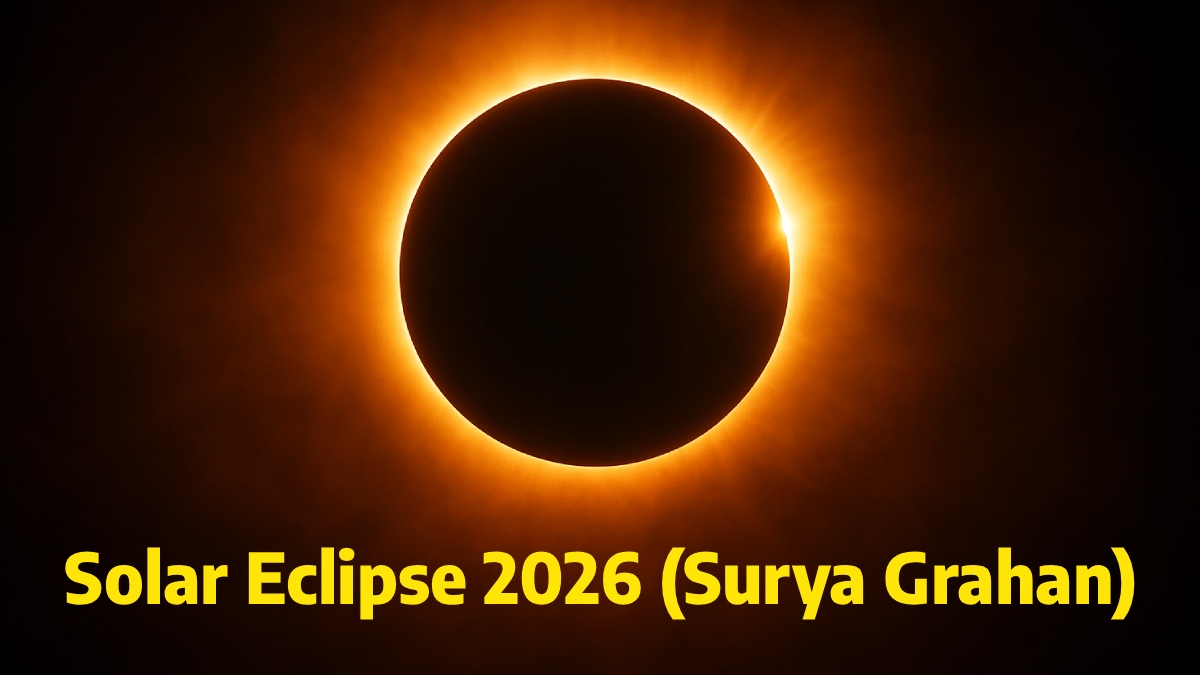
Prepare yourself for an awe-inspiring celestial event: the Solar Eclipse of 2026. This rare phenomenon occurs when the moon passes between the Earth and the sun, casting a shadow on our planet. Whether you're a seasoned skywatcher or just curious about what unfolds in our universe, this is an experience you won't want to miss.
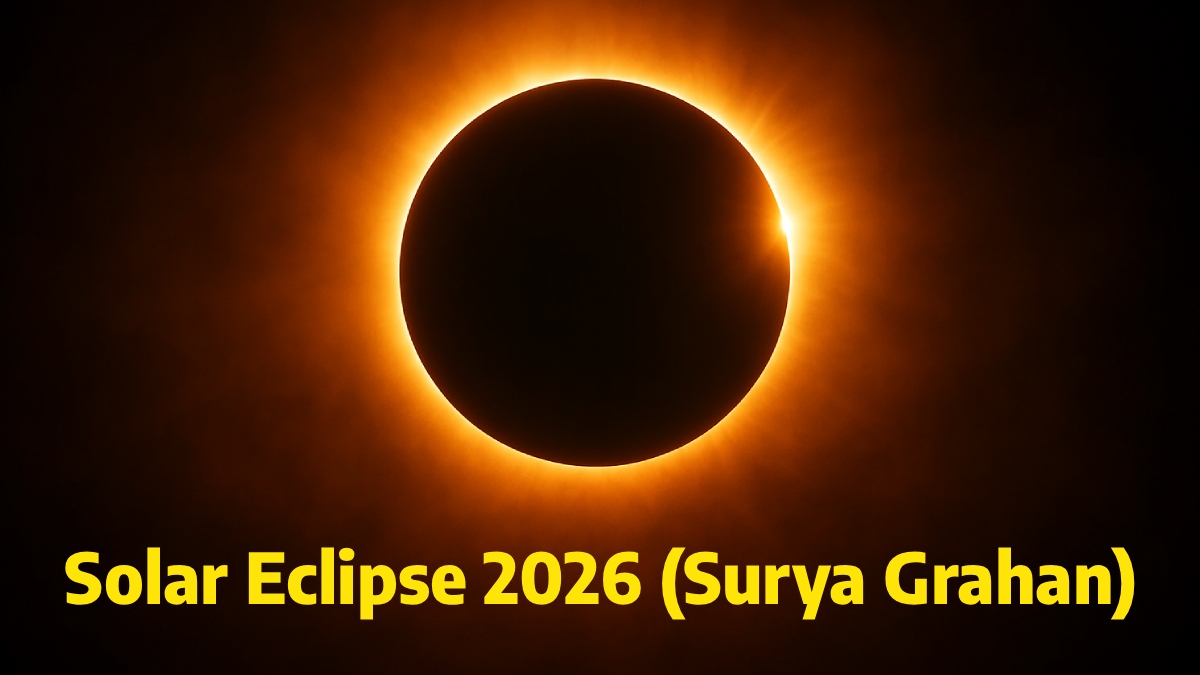
Imagine standing outside as darkness envelops your surroundings during daylight hours. The temperature drops slightly, birds quiet down, and everything feels different for those brief moments. Eclipses have captivated humanity for centuries—instilling wonder and sometimes fear. With only a few years left before this spectacular event takes place, now is the perfect time to learn more about what makes solar eclipses so special.
Join us as we explore everything from types of solar eclipses to how you can safely witness one of nature's most breathtaking displays in 2026!
What is a Solar Eclipse?
A solar eclipse occurs when the moon moves directly between the Earth and the sun. This alignment blocks sunlight, casting a shadow on specific areas of our planet.
During this event, the sky darkens as if night has fallen in broad daylight. The duration can vary from mere seconds to several minutes, depending on the type of eclipse.
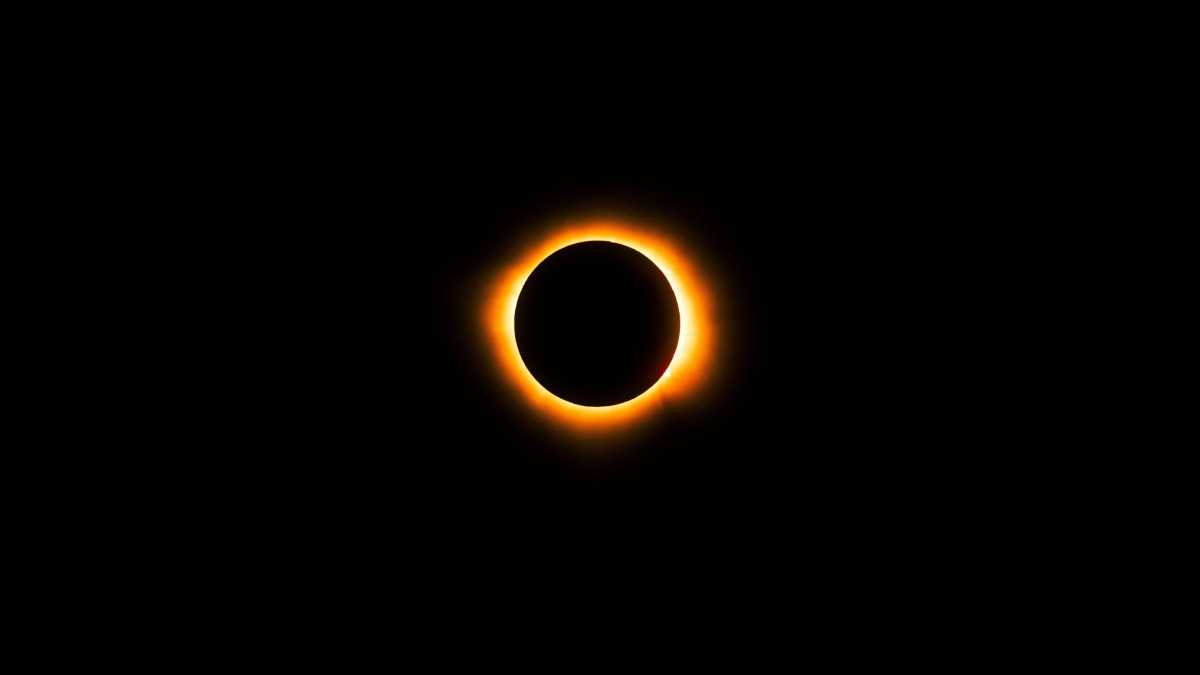
Solar eclipses come in different forms: total, partial, and annular. In a total solar eclipse, the sun is completely obscured by the moon. A partial eclipse allows some sunlight to peek around its edges. An annular eclipse creates a “ring of fire” effect as the moon appears smaller than the sun.
These cosmic occurrences spark curiosity and wonder across cultures and generations—reminding us how interconnected our universe truly is.
Different Types of Solar Eclipses
Solar eclipses come in three distinct types, each offering a unique experience.
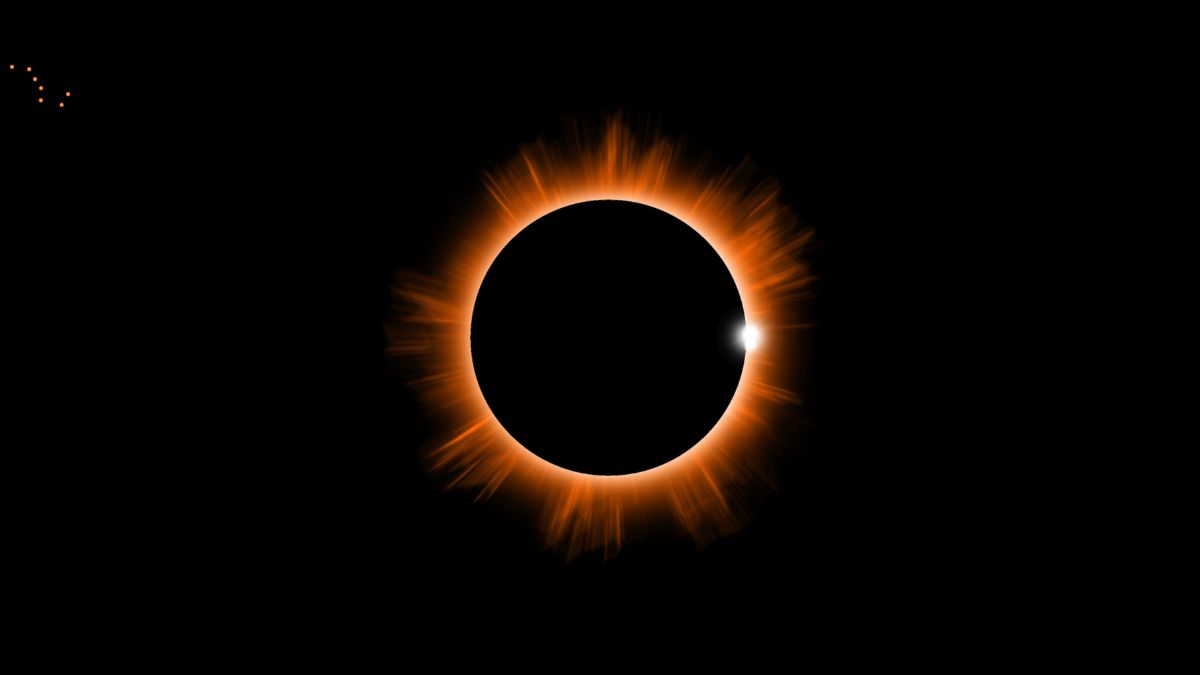
A total solar eclipse occurs when the moon completely obscures the sun. This remarkable event casts a shadow on Earth and transforms day into night for a brief period. The sight of the sun’s corona shining around the darkened moon is breathtaking.
In contrast, an annular solar eclipse happens when the moon is too far from Earth to cover the sun entirely. Instead, it looks like a fiery ring surrounding the dark disk of the moon—often referred to as a "ring of fire."
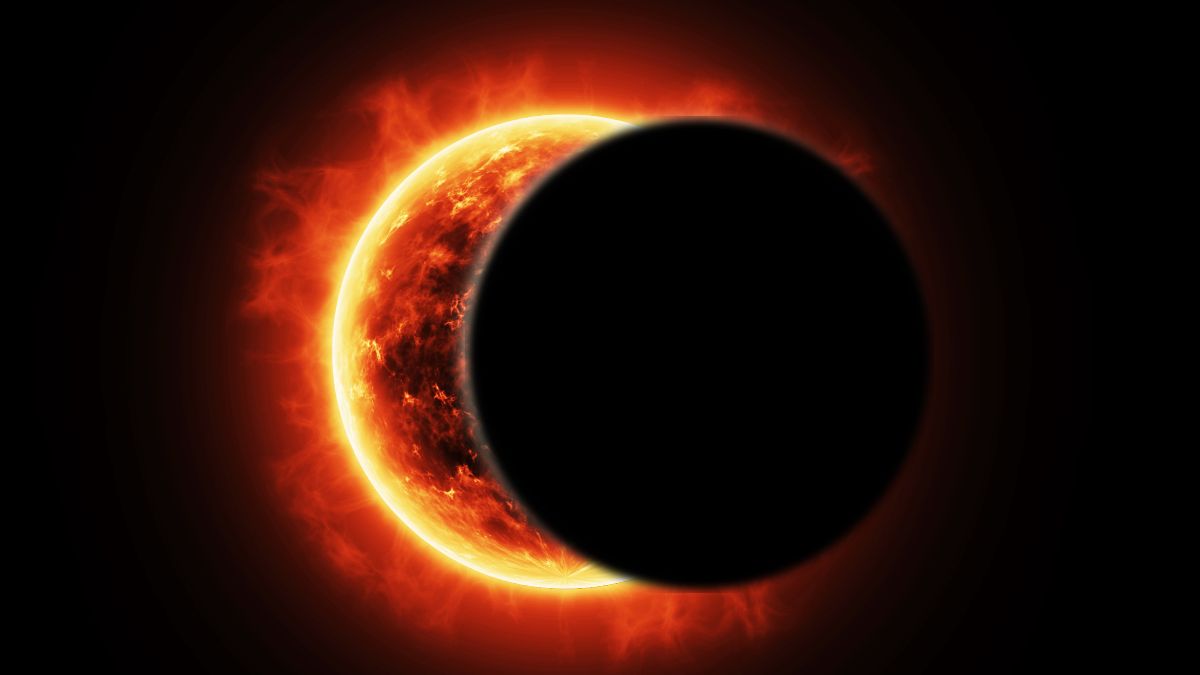
Partial solar eclipses are more common and occur when only part of the sun is blocked by the moon. These can be seen over larger areas but lack that dramatic darkness associated with totality.
Each type offers its own visual spectacle and reasons to look up at our celestial neighbors.
Date & Timing
There are two solar eclipses in 2026:
- An annular solar eclipse on 17 February 2026.
- A total solar eclipse on 12 August 2026.
- Both eclipses will not be visible from most parts of India (including major cities like Delhi, Mumbai, Bengaluru).
- For example, the 12 August event has its path of totality over Greenland, Iceland, Spain, Russia etc.
- Local timing example: For global context, the eclipse on 12 August 2026 begins around 15:34 UTC for some regions.
Significance
A solar eclipse happens when the Moon passes between the Sun and Earth, blocking all or part of the Sun’s light. In the 12 August 2026 event the Moon’s apparent diameter will be larger than the Sun's, causing a total solar eclipse (in the path of totality). In Hindu tradition, a solar eclipse is considered a significant celestial event with ritual implications (Sutak period, avoiding certain activities). It is believed to be a time when energy patterns shift, so devotees often perform special prayers, take baths, avoid eating during certain periods, and purify items touched during eclipse.
Important caveat: If the eclipse is not visible in your region (as in India for 2026), many of the traditional Sutak rules may not apply. For 2026, Indian sources state Sutak will not apply for both eclipses.
Where & How to Watch
Visibility
- Since the eclipse of 12 August 2026 is not visible in India, you cannot witness the totality from Indian cities. You would need to be in the path of totality (Greenland, Iceland, Spain, Russia) or watch via live streams.
- For the 17 February 2026 annular eclipse, similarly, the region of visibility is far from India (Antarctica, parts of South America etc).
How to Watch Safely
- Never look at the Sun directly during an eclipse unless you have proper solar-filter glasses or eclipse-safe viewing equipment. Direct viewing can damage your retina.
- Use certified solar-viewing glasses (ISO 12312-2 or equivalent) or indirect projection methods (pinhole projector).
- If you’re watching via livestream, choose trusted platforms (space agencies, observatories) that broadcast the path of totality.
- For regions not in the visibility path, watching via live stream is the practical option.
Rituals & Puja Vidhi
Here are typical rituals associated with a solar eclipse in Indian tradition — though note: these are general practices and region-wise customs may vary.
Before eclipse / Sutak period (if applicable)
- The Sutak period begins some time before the eclipse (varies by region) and ends when the eclipse is over. During Sutak, many avoid starting any new auspicious activities.
- Avoid eating cooked food during Sutak (especially if the eclipse is visible in your area). Some traditions say to eat a simple meal before the eclipse if your region is affected.
During eclipse
- Avoid looking directly at the Sun. In ritual context some avoid outdoor activities, avoid cutting hair/nails, avoid combing hair etc.
- Pregnant women, newborns and elderly are often advised to stay indoors if the eclipse is visible in the region.
After eclipse
- Take a bath (with clean clothes) once the eclipse is over to purify oneself.
- Cook fresh food after the eclipse and avoid using food that was kept before/during eclipse (as per traditions).
- Clean house, change utensils if needed, purify items that may have been contaminated during eclipse times. Some sprinkle Gangajal (holy water) or Ghee (clarified butter) as a purification measure.
Precautions for Health & Safety
- Eye safety: As mentioned, direct viewing of the Sun (even during partial phases) can cause permanent damage. Ensure you have certified eclipse glasses or use indirect viewing methods.
- Food safety: Some traditions say that solar/eclipses lower the protective radiation of Sun so food cooked during the eclipse may be more susceptible to microbial growth — hence the advice to eat before or to avoid cooking during.
- Mental calm: The change in daylight and unusual sky patterns can psychologically affect some people — maintaining calm, avoiding panic reactions is wise.
- Pregnancy & health conditions: As per traditional guidance, pregnant women and people with serious health conditions should avoid exposure and stress during visible eclipses. Although for 2026 in India the eclipse is not visible, so local guidance may differ.
What to Note for India in 2026
- Since the solar eclipses of 2026 are not visible in India, the traditional Sutak rules (which apply when eclipse is visible) are stated by Indian sources to not apply.
- Thus, in India, for the 17 February and 12 August events, you would not expect major local rituals tied to the roof top eclipse view, but you can still watch via live stream and take general safety precautions if you wish.
- If you happen to be travelling to a location where the eclipse is visible, then the full rituals and precautions become applicable for that locale.
Astrological & Spiritual Insights
- In astrology, eclipses are often viewed as times of transformation, karmic realisations, endings and new beginnings. A solar eclipse is especially powerful for initiating introspection, seed-planting of new intentions, or letting go of old patterns.
- Although the physical event may not impact your region significantly if not visible, the astrological influence may still be considered by practitioners — for example: closing of one phase, revisiting inner motives, purification practices.
- If you are keen on rituals: you might choose to do a short meditation, chant mantra (such as the Gayatri mantra or other favourite invocation), engage in a focused intention setting session timed with the eclipse (or the moment of greatest eclipse globally).
The Cultural and Historical Significance of Solar Eclipses
Solar eclipses have captivated humanity for centuries, inspiring awe and wonder. Ancient civilizations often viewed them as powerful omens or messages from the gods. For instance, the Babylonians meticulously recorded solar events, linking them to significant political changes.
In many cultures, eclipses were seen as harbingers of doom or transformation. The Greeks believed they signaled shifts in power among deities. In contrast, some Native American tribes celebrated these cosmic events with rituals meant to restore balance.
Art and mythology are steeped in solar eclipse lore. From ancient carvings to modern literature, these phenomena symbolize mystery and change.
Even today, communities gather during an eclipse; it’s a shared experience that transcends boundaries. People from all walks of life come together under the same sky to witness something extraordinary—a reminder of our place in the universe and its wonders.