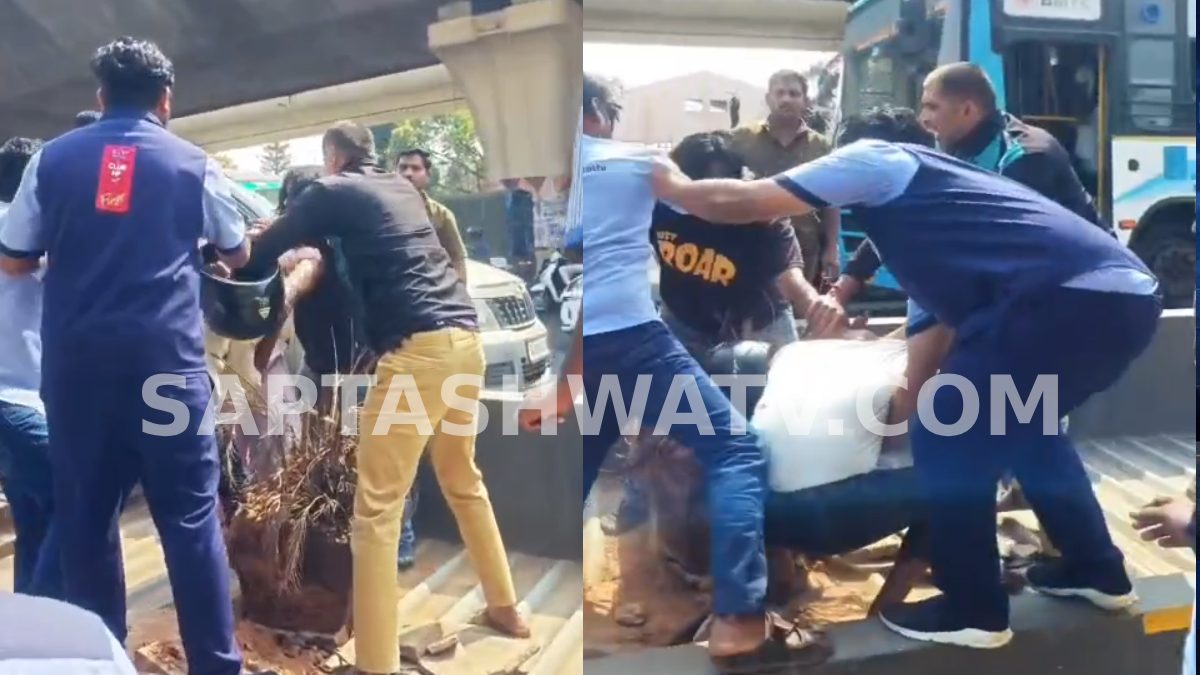
The Bengaluru's shocking episode once again sparked fears about the safety of women using app‑based transport services. The crime involves police who arrested a Rapido bike taxi driver who allegedly molested one of her riders, a 29-year-old woman in transit to work. The case has been extremely controversial and stirred huge anger among the public but it has also pointed up the need for monitoring ride‐hailing platforms more religiously, as well as strong measures to assure the safety of commuters.
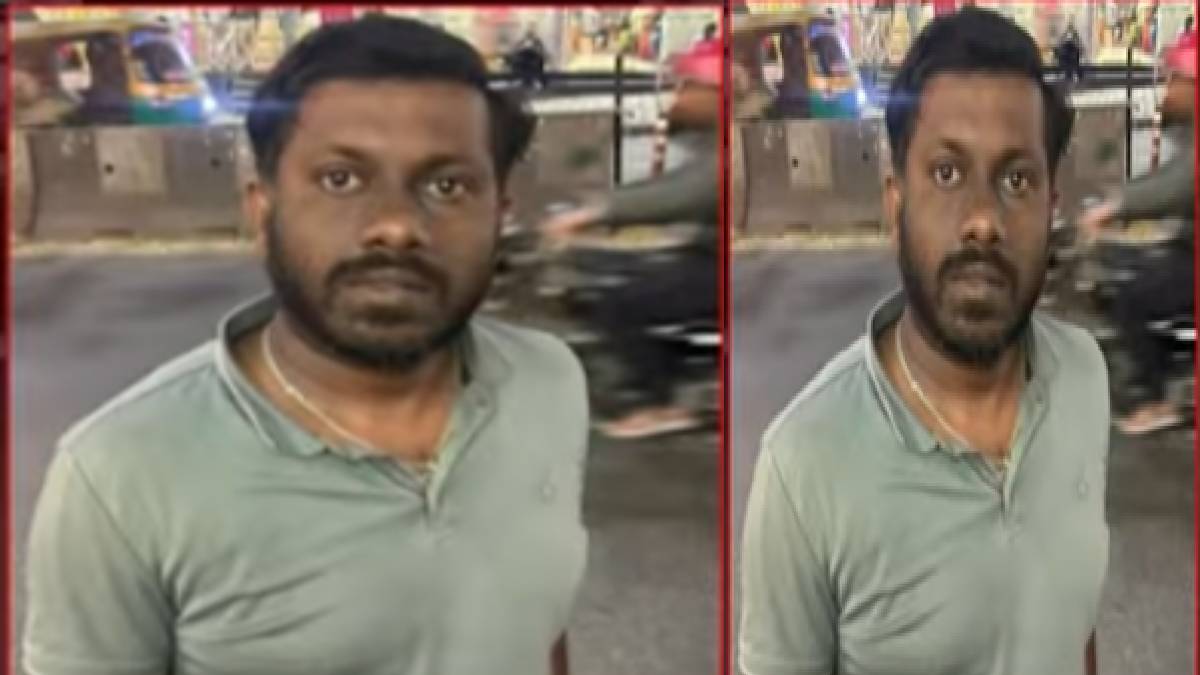
The victim is a resident in Nagarabhavi 2nd Stage, works as a manager at an IT firm in Embassy Manyata Business Park. On Wednesday morning at around 8 am, she booked a Rapido bike taxi when she arrived late for work. The driver was a driver named Vivek, age 37, who was reported to have acted inappropriately toward the woman shortly after she got there, the police said. It has been reported that he groped her while riding, disregarding her orders to stop and behave. He repeatedly objected to her pleas but continued riding and eventually stopped near an underpass where he is alleged to molest her again.
Victim’s Response
The woman sounded an alarm at once, signalling to the nearby traffic police. The officers informed the Hoysala patrol team for her safety very quickly. She went to the Annapoorneshwari Nagar Police Station and made a formal complaint against the driver. Her bravery in reporting the incident is much-lauded, since many victims may refrain from coming forward from fear, stigma or lack of support.
Police Action
With details of the ride given by the complainant, police followed Vivek across the city and arrested him from his home at Manjunath Nagar. He has been put before a court, which has remanded him to judicial custody. A comprehensive investigation is active, authorities have indicated. They’re investigating whether the driver had any prior complaints and reviewing Rapido’s background verification process for drivers as well.
Public Reaction
The incident has led Bengaluru's residents to express anger and concern. Many have turned to social media and pushed for tighter safety standards for bike taxi services. Women commuters, in particular, expressed dread and anger, saying such events dent trust in app–based transport platforms that are intended to offer convenience and reliability. Local organizations say company accountability can also be stronger if Rapido works with better driver screening, panic buttons and quicker emergency response mechanisms.
Broader Concerns
That case illustrates the larger problem of women’s personal safety in urban transit. Bike taxis and ride‑hailing apps have become increasingly popular due to their price and convenience, yet incidents like this highlight vulnerabilities in the safety protections. Experts say that employers should take tougher background checks, require drivers to be certified in new safety measures and monitor rides constantly in real time. Police, too, should implement more stringent regulations to guard passengers, specifically women traveling alone.
Lessons and Way Forward
The Bengaluru episode should serve as a grim reminder of how necessary vigilance and accountability are. Key lessons include:
- Sharper driver verification: Companies need to make sure drivers have clean records.
- Emergency support: Compulsory panic buttons and a quick response system.
- Public awareness: Passengers should be prompted to report wrongdoing on the spot.
- Legal action: Swift arrests and judicial custody, as demonstrated in this case, is a strong statement.
The Rapido driver Vivek's arrest for molesting a woman passenger, has again exposed the fragilities women experience during mundane commutes. Though the victim’s immediate reaction and police assistance delayed additional injury, the situation highlights the desperate need to introduce robust safety for app-based transport services. Given that Bengaluru depends on bike taxis and ride‑hailing apps, passenger safety needs to be the first to make an impact. “We are not just talking about one driver getting away with more than two-way car abuse in this case; it’s a wake‑up call for companies, authorities, and society at large to do their part to protect safe urban travel for all.”