Given how severe and damaging a heatwave is affecting several parts of India, health experts are advising people not to dismiss the unusual changes in the body during high and severe heat.
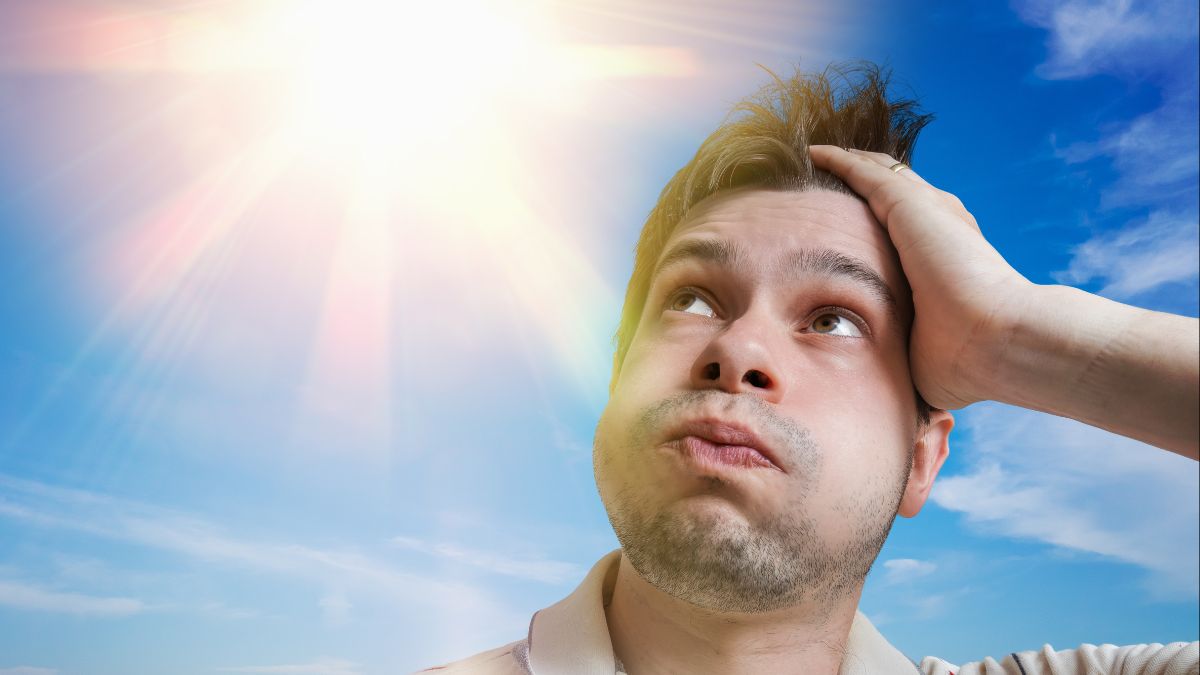
Although sweating is usually thought of as our body’s natural remedy for heat-affected parts, doctors say less sweating or an abrupt stop if they start to sweat during a heatwave can send a warning alert. Some believe that less sweating in a hot place with too much heat is not very dangerous, or is even good.
But medical experts warn that low sweating during extreme heat can be a sign of dehydration, heat exhaustion or the beginning of life-threatening heatstroke.
Why Do Humans Sweat?
Sweating helps in regulating overall body temperature. Sweat glands release moisture onto the naked skin when the human body's temperature rises due to hot weather, activity, or illness. The sweat evaporates, cools the body, and can help keep the skin at a safe internal temperature.
This automatic cooling cycle takes on special significance at times of heatwaves or extreme heat cycles, as temperatures keep getting dangerously hot over extended periods of time. But not all people sweat normally.
Some people automatically give off less sweat, but for others, the sweating goes down less due to dehydration, medication, drugs, medical conditions or overheating, and some are just living longer periods.
Why Do Men and Women Sweat Less in Heatwaves?
Severe Dehydration
Dehydration is one of the most frequent reasons for decreased sweating due to extreme heat. The body sheds copious amounts of water through sweat when exposed to high temperatures over a long period of time. Without fluids being replaced quickly, the body starts conserving water to defend vital organs.
Sweat is therefore greatly reduced. Doctors caution that it is dangerous because sweating is the body’s main means of cooling itself. When there is insufficient sweating, body temperature can rise very rapidly, raising the risk for heatstroke.
Heat Exhaustion progressing to heatstroke
Little or no sweating may also indicate that heat exhaustion is expanding into heatstroke with potential medical risks. In some cases, a person suffering from heatstroke may appear hot, flushed or even dry even though his skin is overheated. Heatstroke can seriously damage the brain, heart, kidneys, and muscles if it is not treated urgently by medical treatment.
Medical Conditions That Affect Sweating
Several health problems can affect the body’s ability to sweat. These include:
- Diabetes
- Thyroid disorders
- Parkinson’s disease
- Nerve damage conditions
- Certain skin disorders
People with these conditions may experience difficulty regulating body temperature in extreme weather.
Drugs May Help Reduce Sweating, too
Some medications, doctors say, can also disrupt normal sweat production. These include:
- Antihistamines.
- Antidepressants.
- Blood pressure medications.
- Some psychiatric medicines.
Patients on these medications are advised to be particularly careful during heatwaves and to stay hydrated during the day.
Older Adults and Children at Risk: Older Adults and Kids
Age-related changes can also affect the efficiency of sweating. Older adults are less likely to sweat because the activity of their sweat glands naturally declines with age, and they are more likely to become overheated and contract heat-related illnesses. Young children are particularly vulnerable, because their bodies regulate temperature in their bodies more and get dehydrated faster than adults.
Key Safety Signs You Should Never Ignore
Doctors say low sweating in excessive heat poses heightened risks of serious illness when combined with symptoms like:
- Dizziness
- Rapid heartbeat
- Headache
- Confusion
- Muscle cramps
- Nausea
- Hot and dry skin
- Fainting
Signs and symptoms of heat exhaustion or heatstroke that may require heat control and medication:
How to Stay Safe During a Heatwave
Health experts suggest you take several vital precautions when it becomes extremely hot:
- Even when you have zero thirst, drink water.
- Avoid daytime sunlight.
- Wear easy or lightweight, light apparel that is breathable.
- Avoid consuming more caffeine and alcohol.
- When feasible, fans, cool showers or air conditioning should be used.
- Also, keep an eye on old people and young kids with regular checks.
Doctors also note that if a person does not sweat anymore and seems confused, weak or overheated, emergency medical assistance should be sought immediately. Amid heatwaves that are becoming more intense and frequent, experts say awareness of heat-related symptoms can save a life.