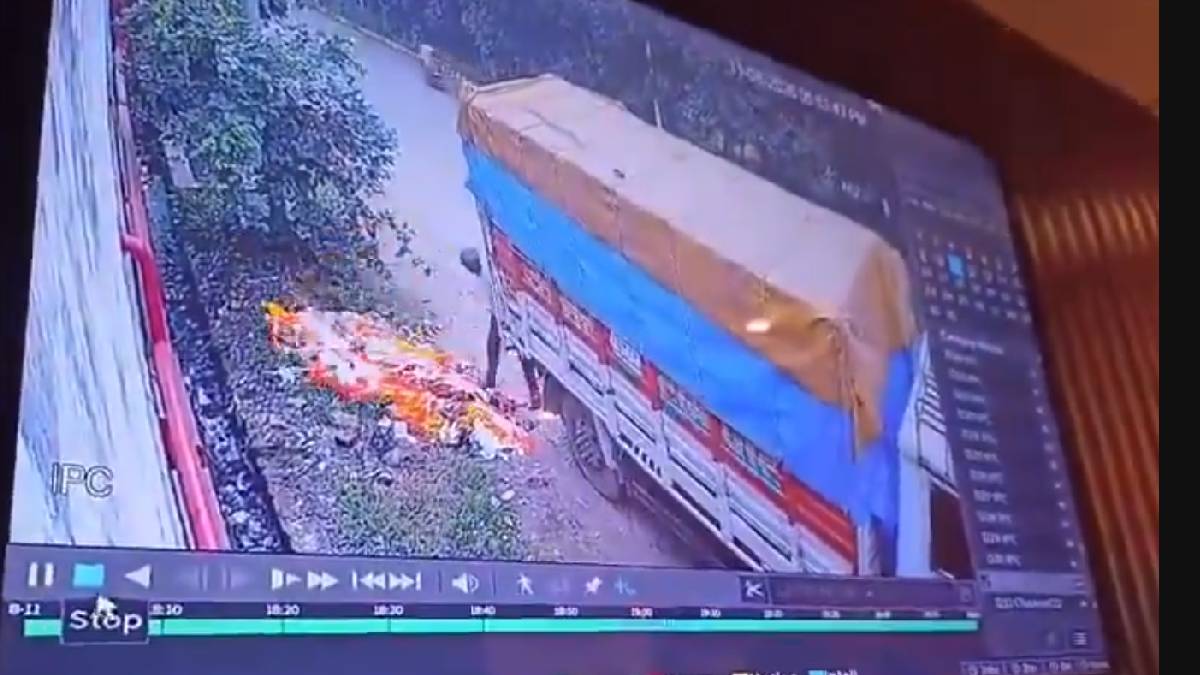
Tree felling, which is referred to as deforestation when undertaken on a wide scale, involves the process of cutting down trees in forests, towns, and farmlands. Although tree felling may be necessary for building projects and agricultural activities, it should be done in moderation because over-felling has many negative impacts on the environment.
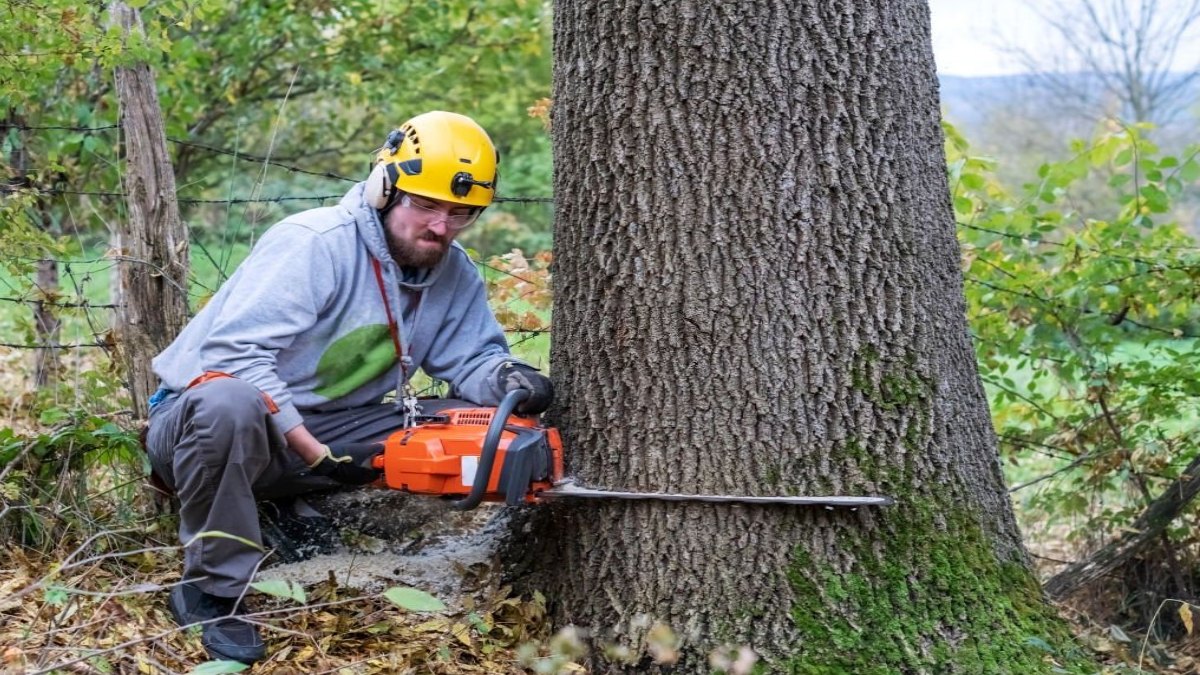
Trees serve a very important function since they help in removing carbon dioxide from the atmosphere while at the same time producing oxygen. They also prevent soil erosion and provide homes for animals. Over-felling of trees results in global warming, lack of diversity of plant species, low levels of rain, and floods. Tree felling results from illegal harvesting of timber and urbanization.
Not only do excessive clearing of trees throw off ecosystem services balance, they also disrupt ecosystem equilibrium in its natural state. Many wild animals find themselves out of their original habitat and move on to occupy fresh human-infested areas. This increases antagonism between humans and animals. The cycles of water flow also get out of hand, causing droughts in some areas and heavy rain elsewhere.
We need to take sustainable practices such as reforestation, controlled logging and tough environmental laws in order to stem the damage done by those episodes as well as do something about it.
If they learn from the past and then adapt those lessons to keep the natural world alive for future generations that may have humanity's needs met in the same way, then people may well use it as our tool of conservation and serve natural order better in the future. Forest systems are cooling and climate-buffering agents on our planet too. They are natural carbon sinks that store greenhouse gases and slow climate change.
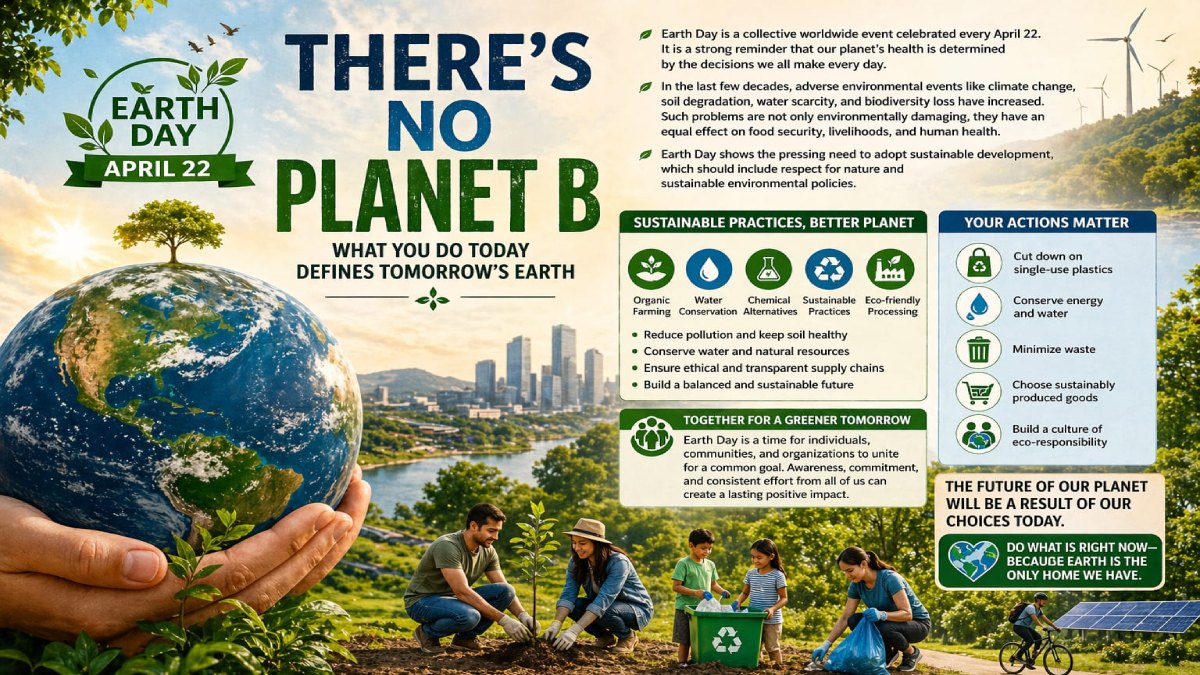
But when large-scale tree removal takes place, that balance gets disturbed and extreme weather events tend to become more common. Public agencies and environmental organizations need to collaborate to fund afforestation projects and encourage communities to plant trees. Schools and colleges must also educate students on environmental conservation. But more than that, it has an environmental responsibility, not only to secure forests, but to be the kind of thing that grows in a good way so people are keeping it a viable life, and that people still rely on it.