In a strongly worded statement that has intensified political debate, Narendra Modi accused Opposition parties of committing “political foeticide” by defeating the long-debated Women’s Reservation Bill. The remark came shortly after the bill failed to secure the necessary support, dealing a significant setback to efforts aimed at increasing women’s representation in legislative bodies.
Sharp Attack on Opposition
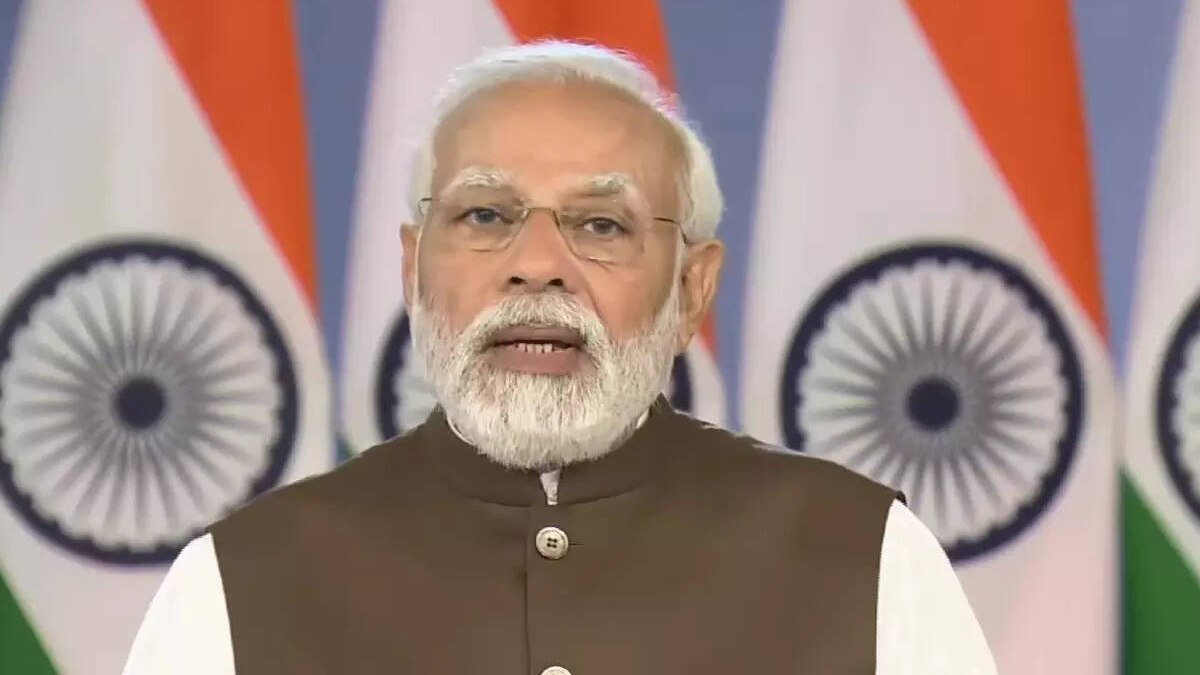
Addressing a public gathering, Prime Minister Modi expressed deep disappointment over the outcome, stating that the Opposition had effectively “killed” a crucial reform before it could benefit women across the country. He argued that the bill was not just a political proposal but a transformative step toward gender equality and empowerment.
The Prime Minister emphasized that the failure to pass the legislation sends a negative message about the commitment of political parties toward women’s rights. He also accused Opposition leaders of putting political interests above national progress.
About the Bill
The Women's Reservation Bill seeks to reserve a significant percentage of seats for women in Parliament and state legislative assemblies. Advocates of the bill have long argued that it would address the underrepresentation of women in politics and create more inclusive governance.
While the bill has been discussed for decades, it has faced repeated hurdles due to disagreements among political parties over its implementation and provisions. Critics have raised concerns about reservation criteria, while supporters maintain that it is essential for achieving gender parity.

Opposition Responds
Opposition parties have strongly objected to the Prime Minister’s remarks, calling them “inflammatory” and “misleading.” Several leaders argued that the bill’s defeat was due to unresolved issues and lack of consensus rather than a deliberate attempt to block women’s empowerment.
They also accused the government of failing to build adequate political consensus and rushing the process without addressing key concerns raised during parliamentary discussions.
Political and Social Implications
The controversy has sparked a wider debate across the country, with activists and civil society groups expressing disappointment over the bill’s failure. Many believe that the issue of women’s representation should rise above partisan politics and be addressed with urgency.
Political analysts note that such strong rhetoric from the Prime Minister is likely to further polarize the debate, but it has also brought renewed attention to the need for structural reforms in Indian politics.
The Road Ahead
Despite the setback, the government has indicated that it remains committed to pushing for greater participation of women in politics. There are expectations that efforts will continue to reintroduce or revise the bill in the future.
As the debate unfolds, the focus remains on whether political stakeholders can move beyond differences and work toward a consensus that ensures meaningful representation for women in India’s democratic institutions.