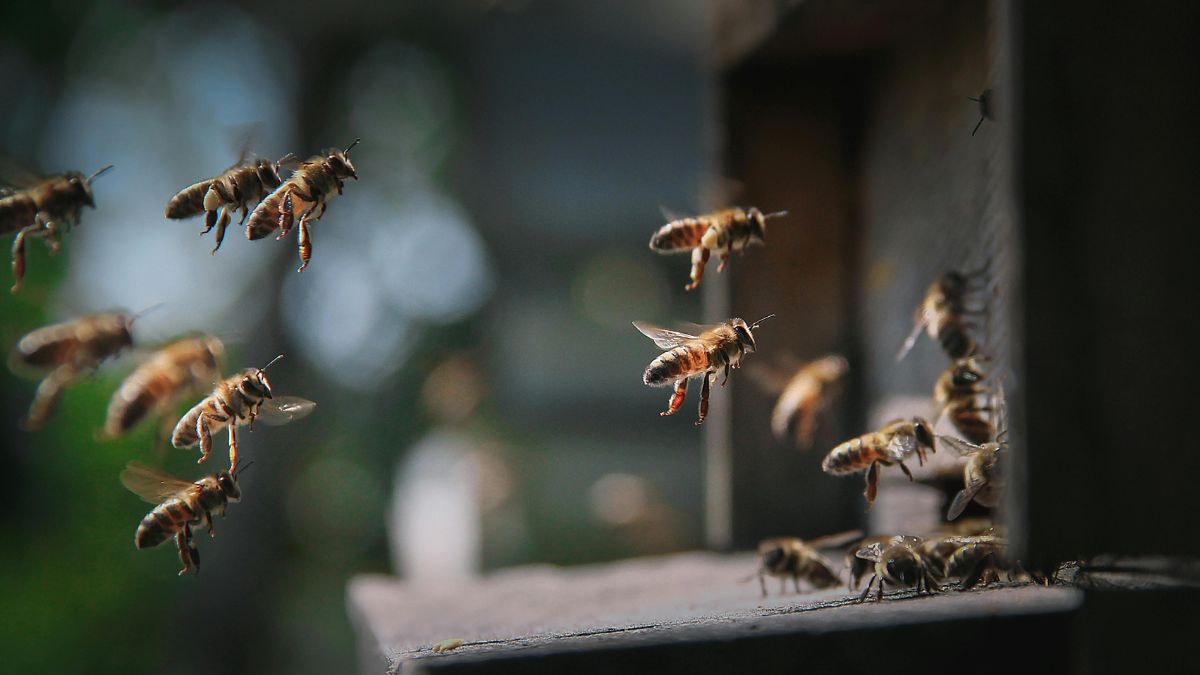
World Bee Day, which is celebrated on May 20 every year, is a global festival that acknowledges the key role played by bees and other pollinators in maintaining the health of ecosystems and food systems. This is the day we know tiny creatures have a tremendous effect on the health of this planet.
Why May 20?
The date reflects the birthday of Anton Janša (1734–1773), who was Slovenia's first modern beekeeping champion. His efforts formed the basis of our own knowledge of bees and their significance in agriculture.
History and Origin
World Bee Day was declared on this day as a U.N. proposal by Slovenia which was in 2017. It was a call for an awareness campaign on the significance of pollinators, threats and contributions to sustainable development.
Why Bees Matter
Bees are crucial pollinators, pollinating nearly 75% of the world’s flowering plants and around one-third of global food crops. Fruits, vegetables, nuts and seeds are very dependent on pollination. If bees were absent, food diversity would dwindle, and ecosystems would be severely affected.
Global Challenges
For all their significance, bee populations are on the decline globally with habitat loss, climate change, pesticide application and pollution. This threatens biodiversity, food security and agriculture greatly.
Celebrations and Awareness
Educational programs, environmental campaigns, and community initiatives all feature during World Bee Day. Bee-friendly practices, including planting pollinator gardens and reducing pesticide use, are encouraged in schools, organisations, and governments.
Why It Matters Today
Protecting bees is more important than ever due to global environmental crises. Promoting pollinators also supports more sustainable agriculture, more robust ecosystems, and food security for future generations.
A Global Call to Action
World Bee Day calls on people, farmers and policy makers to do their part in ensuring good for the pollinators. Simple steps to protect them, such as planting flowers, protecting environments, and helping local beekeepers, for instance, can make a big difference.
On May 20, take a moment to admire the humble bee. Its serene labour keeps the world blooming and our plate full.