
Food safety officials inspected cloud kitchens, cake manufacturing units, and food establishments in Mangaluru after reports of the use of harmful colours in food products. The inspections were done to check quality of cakes, ice creams, and other food items, as well as hygiene standards maintained in commercial kitchens.
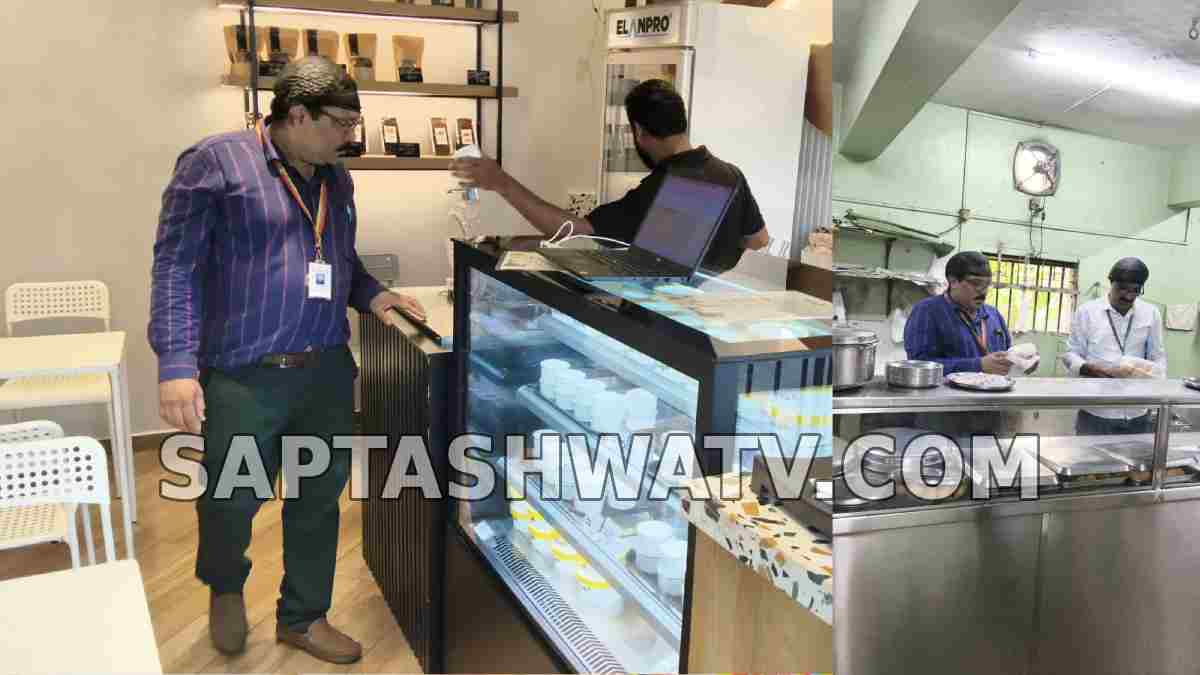
The inspection team inspected Mangaluru outlets of popular food brands (Ribbons and Balloons, Hive franchise units), etc. Food Safety Designated Officer Dr Praveen Kumar C.H. led the operation. The inspections were done as per instructions from U.T. Khader.
Officials inspected cakes and ice creams sold at the outlets. They also took samples of colours used in cake preparation to check whether they were safe for food.
Samples of Cake Colours Sent for Laboratory Testing
One of the major issues raised during inspection was suspected use of potentially harmful colours to make cakes look more attractive. Brightly coloured cakes and decorative food products are popular during festivals and celebrations, but unauthorised or unsafe colouring agents can be used, which may put consumers at risk.
Officials collected samples of colours used in cake manufacturing, and those are expected to be sent to a lab for testing. Results will determine whether the colours used in products are allowed under food safety rules.
Officials reportedly warned against using harmful or unauthorised colouring substances in cakes and other food products; food manufacturers and sellers should only use permitted food-grade colours, and all ingredients should meet prescribed safety standards.
Warning Against Excessive Colours in Festival Sweets
An inspection drive is being carried out when cakes, sweets, and other special food items are generally in demand during festive occasions. Food safety officials have said that more care should be taken while preparing sweets and bakery products during festivals.
Manufacturers and food businesses have been warned not to use harmful colours in sweets and other food items. Beauty should not be sacrificed for health, officials said in their warnings.
Consumers are also asked to be careful when buying brightly coloured food products and to buy from outlets that follow proper food safety and hygiene practices.
Hotel Kitchens Inspected for Cleanliness
Apart from cloud kitchens and cake manufacturing units, food safety officials also inspected hotel kitchens in Mangaluru. The team checked the cleanliness of cooking areas and ingredients and materials used in food preparation.
The officials collected food samples from hotels and sent them to the laboratory for testing. Samples will be tested for quality and compliance with food safety standards.
Kitchen hygiene was another important area. During inspections, officials reportedly found that cleanliness standards were not maintained properly. Notices were issued to establishments for poor hygiene and sanitation practices.
Hotels and food businesses have been told to keep kitchens clean, store ingredients safely, and handle food properly. Cooking equipment, work surfaces and storage areas need to be cleaned regularly to prevent contamination.
Food Safety Inspections to Protect Consumers
The inspection drive reinforces the need to monitor food businesses (cloud kitchens, bakeries, cake manufacturing units and hotels). Consumers are buying more ready-to-eat food and bakery products, which has made quality and hygiene an important public health issue.
Laboratory reports from the samples collected will give further insight into whether the colours and food ingredients used by inspected establishments comply with standards. What further action is taken will depend on results of tests as well as food safety regulations in force.
The inspections also remind food business operators that compliance with food safety rules is required. Businesses must make sure the ingredients they use are safe, permitted and stored properly.
For consumers in Mangaluru, the message is as important — food products have to be attractive as well as safe to eat. Inspections, laboratory testing and hygiene practices can protect public health and instill confidence in the city’s food establishments.



Comments