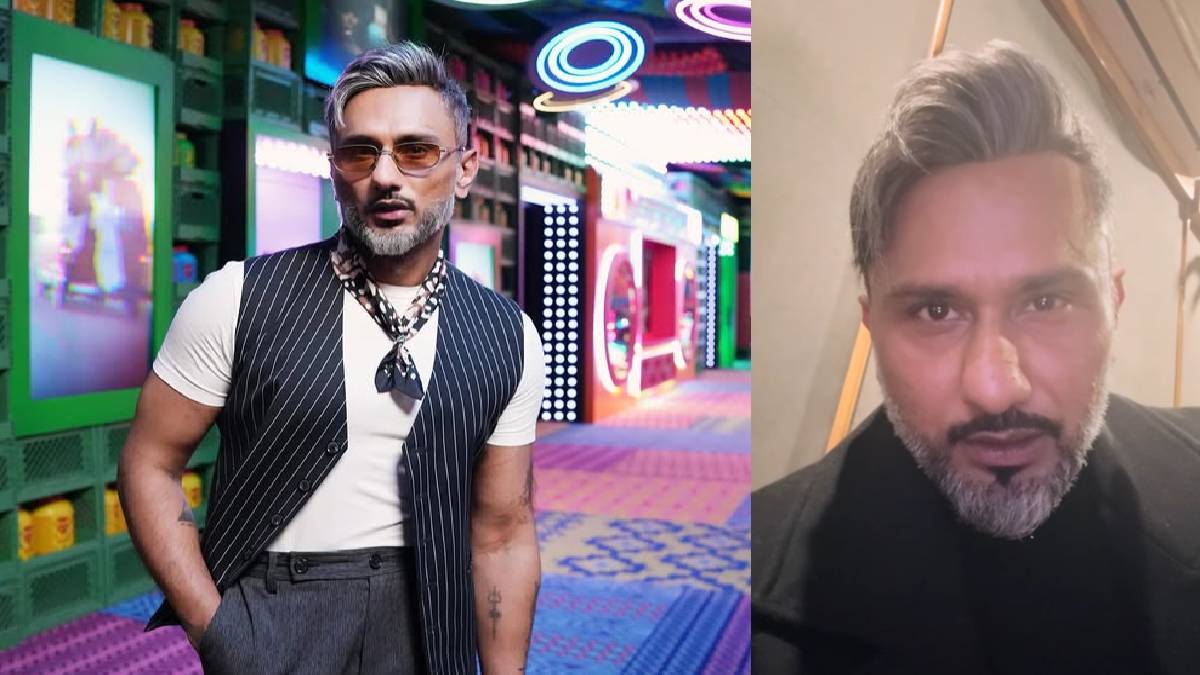
In January 2026, Indian rapper and music producer Honey Singh found himself in the midst of a public controversy after making an audacious statement during a live concert in Delhi that went viral. The comment that was filmed and shared extensively on video and widely circulated online led to ripples of controversy among fans and fans for many years afterwards as if everyone had written. While some have justified his plans, many have found the language inappropriate and disrespectful.
The event occurred at a concert that included the musicians Nanku and Karun. “That was not what Honey Singh put into this one song and what many people thought of as really vulgar. The remark mentioned Gen Z and sexual behavior, and, while it was slight, it quickly came under the microscope.
Honey Singh later issued a public apology after the video went viral. He said his remarks were misinterpreted and never intended to offend anyone. Singh said the remark came out of conversations he had with medical professionals, especially gynecologists, who had expressed concerns about unsafe sexual practices among young people. He claimed his aim was to raise awareness, not shock or insult.
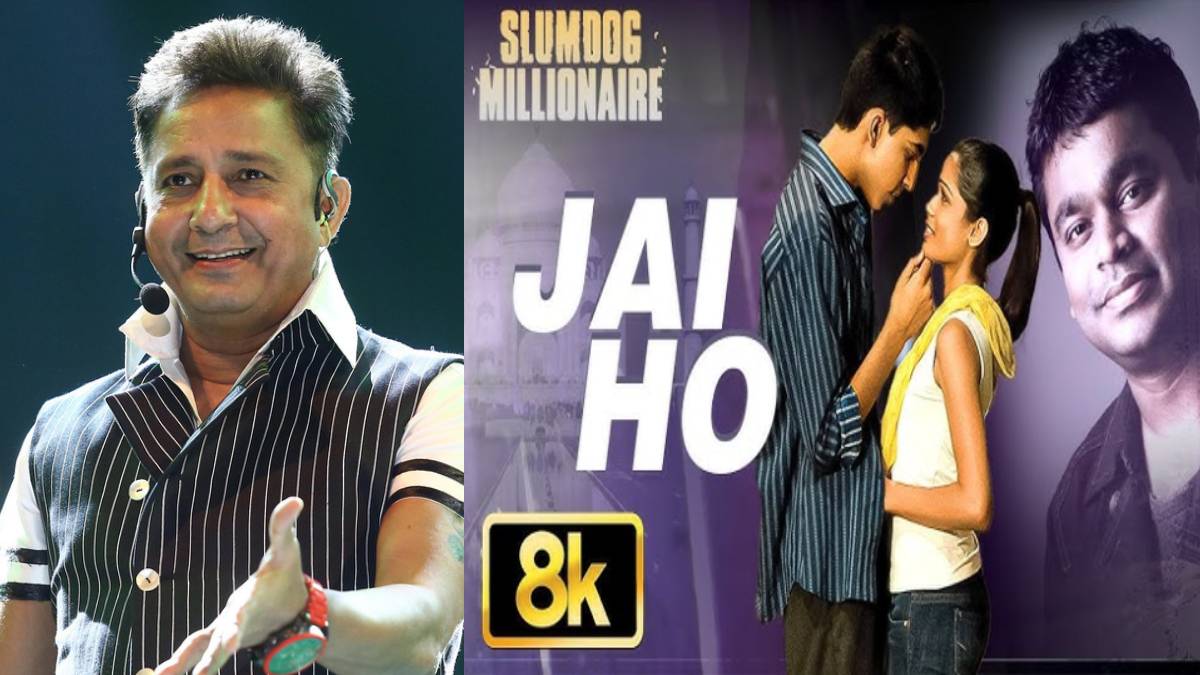
Singh also explained he decided to address it bluntly and bold because he thought Gen Z people respond to direct speech better. He acknowledged that the delivery was too severe and that he would take care. When he offered his apology on social media, he told fans to know what he meant by that statement -- they should not judge him by a single moment. And the storm has triggered a wider debate about the part that artists play in public life.
Public figures in a world where anything can be put out in seconds by a social media connection is expected to use their words more wisely. The case of Honey Singh illustrates how much more quickly a comment can become a national conversation, especially when the topic is sensitive, such as sex education or youth behavior.
Plenty of people feel that artists should tread well when using their platforms. Even if creativity and daring contribute to the pleasure of entertainment, respect and understanding are also important. Singh’s struggle to speak out so bravely about a serious issue of safety of sex among youth was drowned out by the method in which he chose to do so. Critics say those kinds of issues merit caution not open to anyone, particularly public performances in which audiences are of all ages.
Other fans said he’s got a bigger message so people should pay less attention to the words and more to the intent. They concluded that there are many Indian culture norms against talking about sexual health and that while Singh’s public face was divisive and controversial, it was a raise up to the issue of sexual health.
Pop culture is a place where we’ve always been pushing the envelope, but this event should be a reminder that boundaries need to be taken seriously. Honey Singh’s apology shows a concern about his words and desire to learn from what he experienced.
So far, no criminal action has been taken against him, and Singh performs on and interacts with fans. It may not have permanently hurt his career, but the incident added a new dimension to the ongoing discussion of issues of free expression, public responsibility, and the social space that celebrities occupy.
Finally, this debate is a good reminder of the power of words. On and offstage, online or at a party, that way we talk and speak in a way that deeply affects someone else. For artists such as Honey Singh, the battle is to marry brashness with sensitivity but not without some vulnerability in between, especially when the spotlight is on.