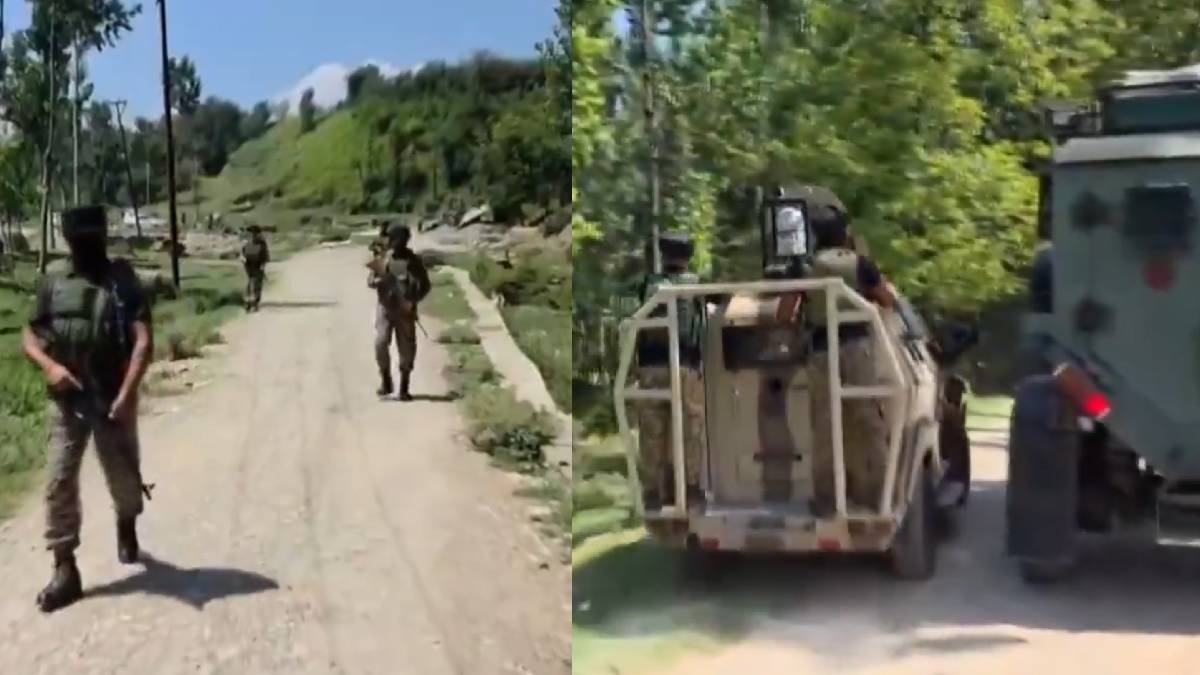
The upcoming film Battle of Galwan, starring Salman Khan, is already stirring conversations because of its sensitive subject matter and the emotional weight it carries. At its heart, the movie is inspired by the 2020 Galwan Valley clash between Indian and Chinese troops, a moment that left a deep scar on the nation’s collective memory. Rather than presenting itself as a loud, action‑packed spectacle, the teaser suggests a more restrained, human‑centered narrative, one that focuses on the grit, sacrifice, and quiet resilience of soldiers who stand guard in unforgiving terrain.
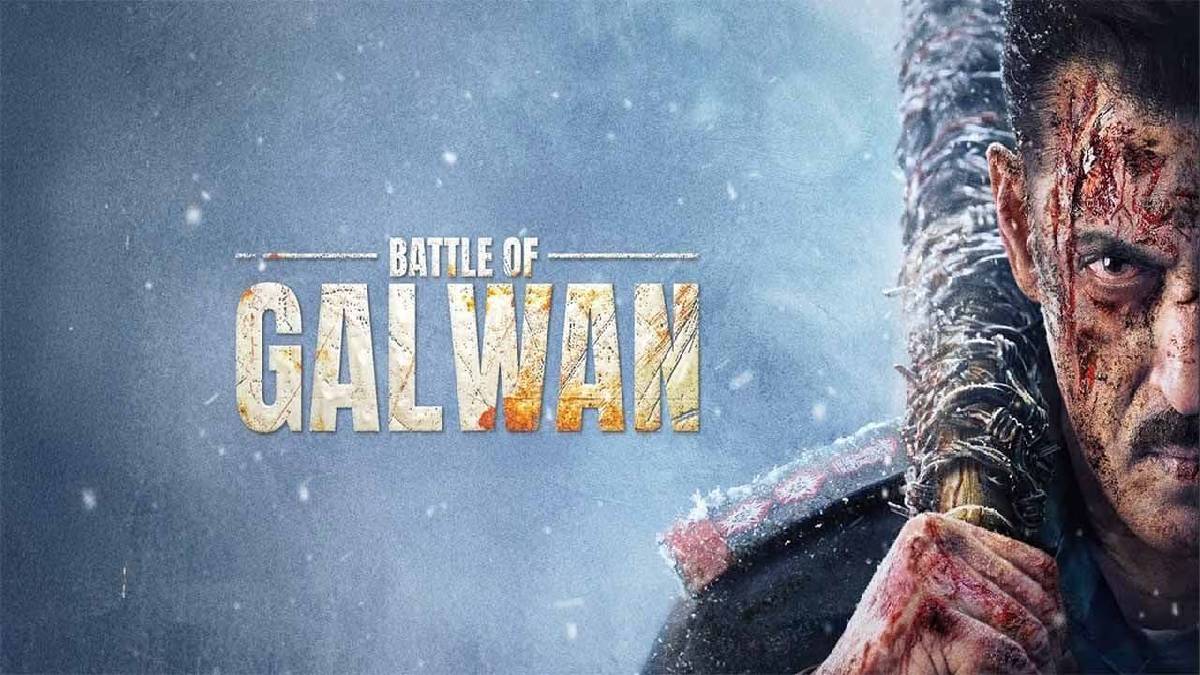
Salman Khan’s portrayal is being described as one of “controlled aggression” and “quiet authority.” This is significant because audiences often expect him in larger‑than‑life roles, but here he seems to embody the weight of leadership and the burden of responsibility. His stillness, his gaze, and his silence in the teaser communicate volumes about the inner strength required to lead men in moments of crisis. It’s not about shouting orders or dramatic heroics, it's about the calm, steady presence that soldiers look to when everything around them feels uncertain.
The film’s settingthe icy, high‑altitude landscapes of Galwanadds another layer of realism. These are not just backdrops; they are characters in themselves. The harsh winds, the barren mountains, and the biting cold remind viewers of the physical and psychological challenges faced by soldiers every single day. By highlighting the terrain, the film underscores that the battle is not only against an adversary but also against nature itself.
What makes the Battle of Galwan particularly compelling is its potential to humanize the conflict. Instead of reducing it to numbers or political rhetoric, the story seems poised to explore the lives behind the uniforms, their camaraderie, their fears, their sacrifices, and their unspoken courage. This human touch is what can transform the film from just another war drama into a deeply moving tribute to those who serve.
Of course, dramatizing such a recent and sensitive event comes with challenges. The filmmakers must walk a fine line between honoring the soldiers and avoiding oversimplification of complex geopolitical realities. Yet, if the teaser is any indication, the focus will remain on the human experience rather than overt political messaging. That choice could make the film resonate more widely, appealing not only to patriotic audiences but also to those who seek stories of resilience and humanity.
The cultural impact of this project could be significant. War dramas in India have often leaned toward spectacle, but a film that emphasizes restraint, authenticity, and emotional truth might set a new benchmark. Salman Khan’s star power ensures visibility, but it is the grounded storytelling that could make Battle of Galwan stand out. If executed well, it has the potential to spark conversations about sacrifice, leadership, and the unseen struggles of soldiers far from home.
In the end, Battle of Galwan is not just about a clash in the mountainsit is about the people who lived through it, the lives that were changed, and the lessons that remain. By choosing to tell this story with dignity and depth, the film could become more than entertainment; it could serve as a reminder of the human cost of conflict and the quiet heroism that often goes unnoticed.