The actors of the reality show Lock Upp face criticism for their comments. Her comments led to the debate about sexual orientation and identity and led to a lot of criticism.
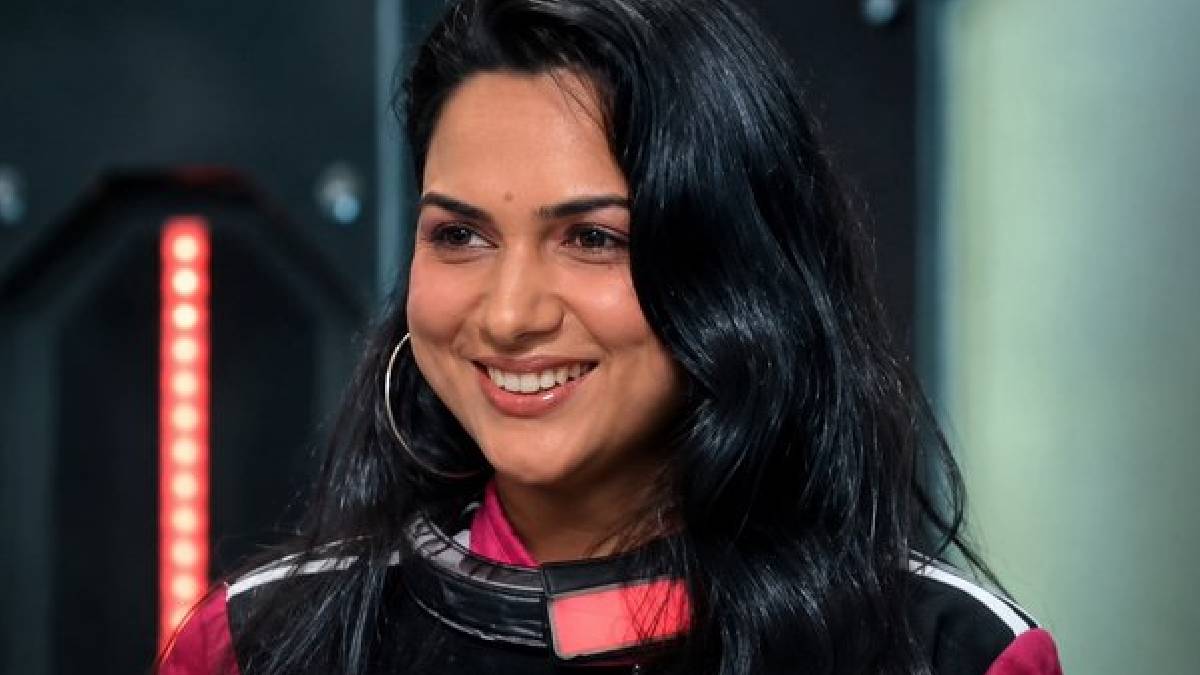
During a talk on the show, Akanksha said, “You can’t be bisexual today and asexual tomorrow.” Critics and LGBTQIA+ supporters rejected such a simplistic narrative and said it undermines the complexity of human sexuality. The clip quickly went viral on social media, and discussion of the implications of her words started.
The LGBTQ+ community members, in response, were quick to stress that sexual orientation and attraction are highly personal experiences. They recognized that bisexuality and asexuality are two different identities and that how we define ourselves can evolve over time.
Self-discovery is not instantaneous, and people can adopt other labels as they come to know them.
Critics of Akanksha’s comments said that public figures particularly those on popular television shows should not perpetuate misconceptions about marginalized communities. They pointed out that the debate over LGBTQIA+ identity could generate negative stereotypes and misinformation among audiences who are less familiar with these issues.
Social media defenders, however, defended the actor, arguing that her statements may have been made without knowledge of the audience and not with any intention to offend. This controversy, they said, underscored that we need to have broader discussions about gender, sexuality, and the importance of inclusive language rather than just attacking one person’s opinion.
Reality television plays a significant role in how much of our society is mediated by reality TV. The contestants often give their opinions in an unscripted manner, but even for the most obvious social problems, it is important that there is accurate information about identity and inclusion.
LGBTQ+ organizations and activists have long advocated for representation in mainstream media and for accurate portrayals in media to reduce stigma and promote acceptance. Misconceptions about sexual orientation and gender identity persist, so we have to have conversations based on this information as we strive to be educated today.
Akanksha Chamola has not publicly spoken on her comments. On social media, debates remain active, and there is no comment from her so far, but there are many voices on social media in favor of more respectful conversation and greater awareness of diverse human experiences.
This controversy is a reminder to all of us that conversations around sexual orientation and identity need to be sensitive, accurate, and considerate of how people define themselves. It has also led to broader discussions about representation, education, and public figures’ responsibility for different communities and the impact of public figures’ activities on those communities.