
Movies in Kerala have spent their entire history intertwined with socio-political discourse. In the state, The Kerala Story 2 was the focus of severe opposition, resulting in cancellations and protests all over the state. Demonstrators sat outside the theaters, ripping posters off and setting them ablaze. And the debate is indicative of the serious split over the movie’s themes and its treatment of sensitive subjects that has led to boiling anger down to the streets of Kerala.

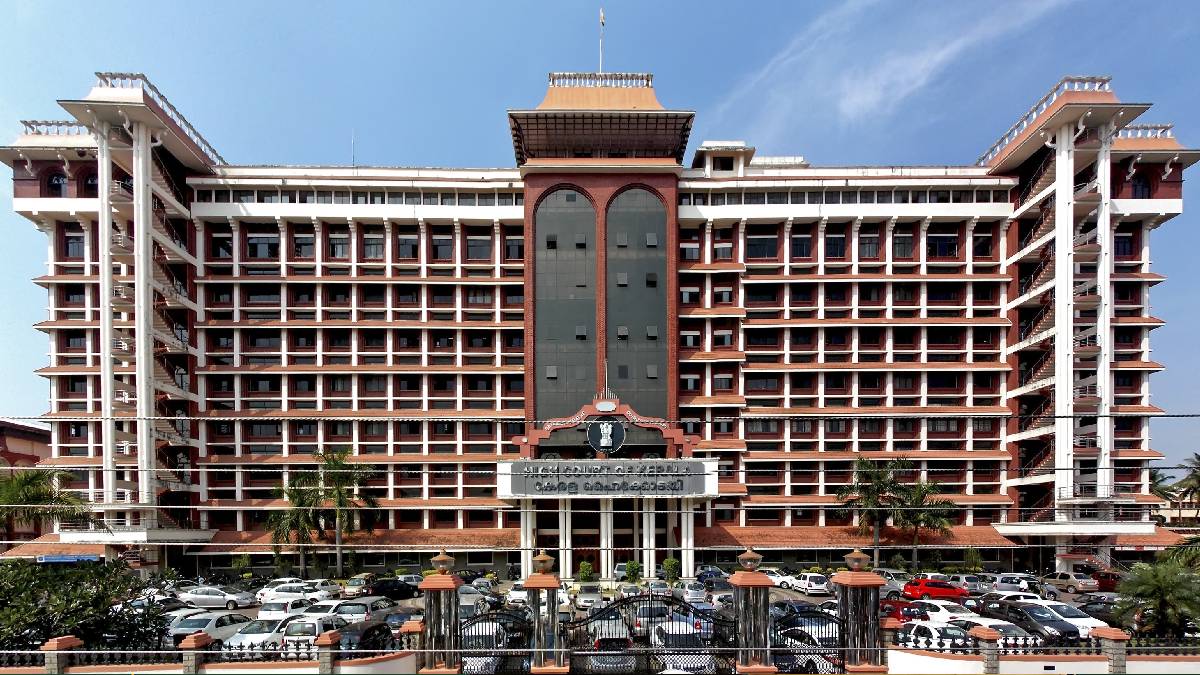
Satire and protests in several districts in Kerala such as Thiruvananthapuram, Kochi, Kannur, Thrissur, and Kozhikode led to the cancellation of numerous theatre productions of The Kerala Story 2 in Kerala. Activists from the Democratic Youth Federation of India (DYFI) among other groups gathered to protest against the film, accusing it of spreading misinformation and discriminating against entire communities. In front of theatres, protesters dismantled posters and set them on fire, announcing their rejection with a fiery message. Despite the Kerala High Court lifting a stay on the film’s release, screening was delayed on the part of the theatre owners, and the public pressured them to end it.
The Kerala Story 2 (which I am linking to the controversy surrounding it) the film depicts alleged forced religious conversions and radicalization. Opponents say the movie distorts Kerala’s social landscape and creates rifts. But supporters say it underlines secret realities that need attention. The first film of The Kerala Story had received similar pushback and the sequel has reignited discussions as to whether freedom of expression and the politics of entertainment should trump social responsibilities in cinema.
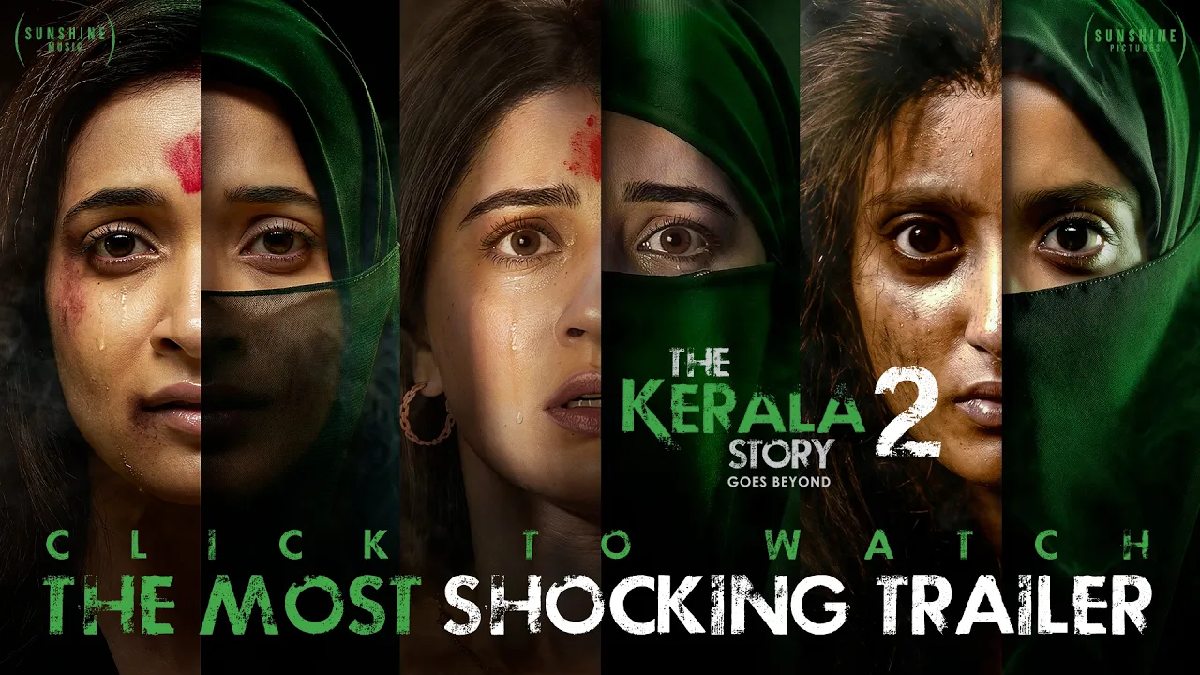
The cancellation of screenings shows how public sentiment and protests can significantly impact how films are distributed. Though the court did allow the release, Kerala's ground reality meant it was very hard for theaters to see it any longer. The episode too brought in the tension between film-makers and moviegoers when movies about sensitive cultural or religious matters begin to make contact. The controversy reflects issues about censorship, artistic freedoms, resistance and the bounds of protest in Kerala, a state famous for its colourful film culture.
The withdrawal of The Kerala Story 2 screenings in Kerala reflects the massive influence of public opinion and activism. As posters were torn and lit outside theatres, the protests demonstrate how hard it is to accept this tale just from the surface. Will the film find room in Kerala’s cinemas in the future? And yet the episode has already prompted an even larger debate about how cinema can define and subvert societal narratives.





Comments
Leave a Comment