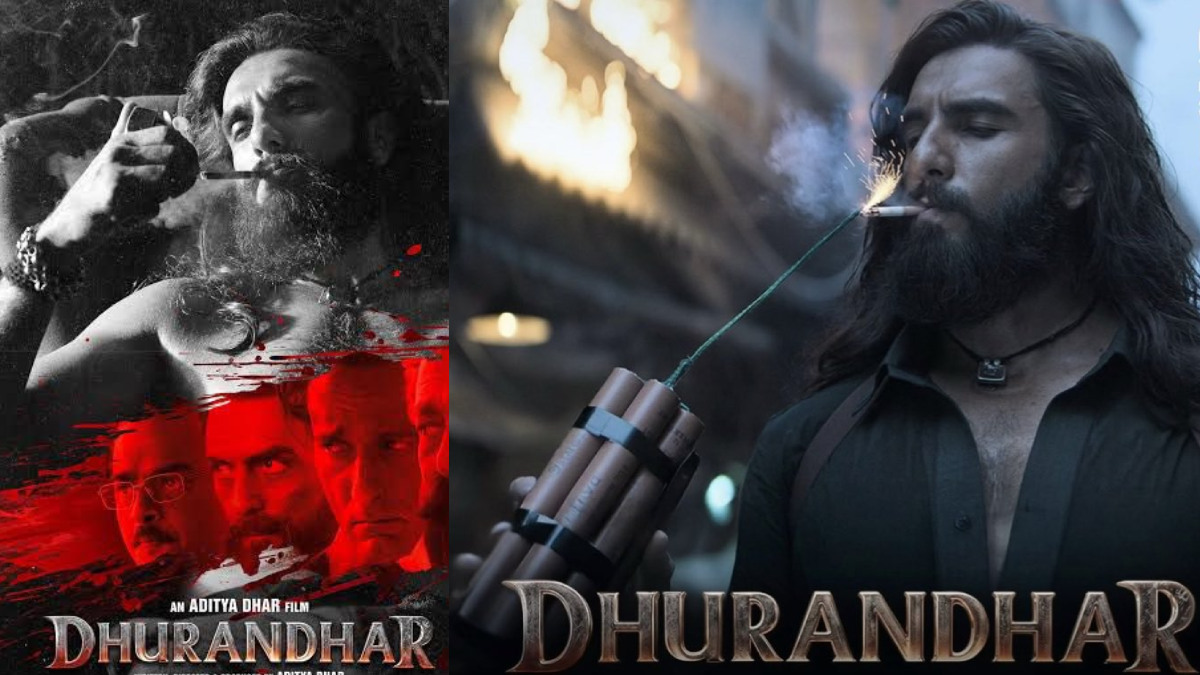
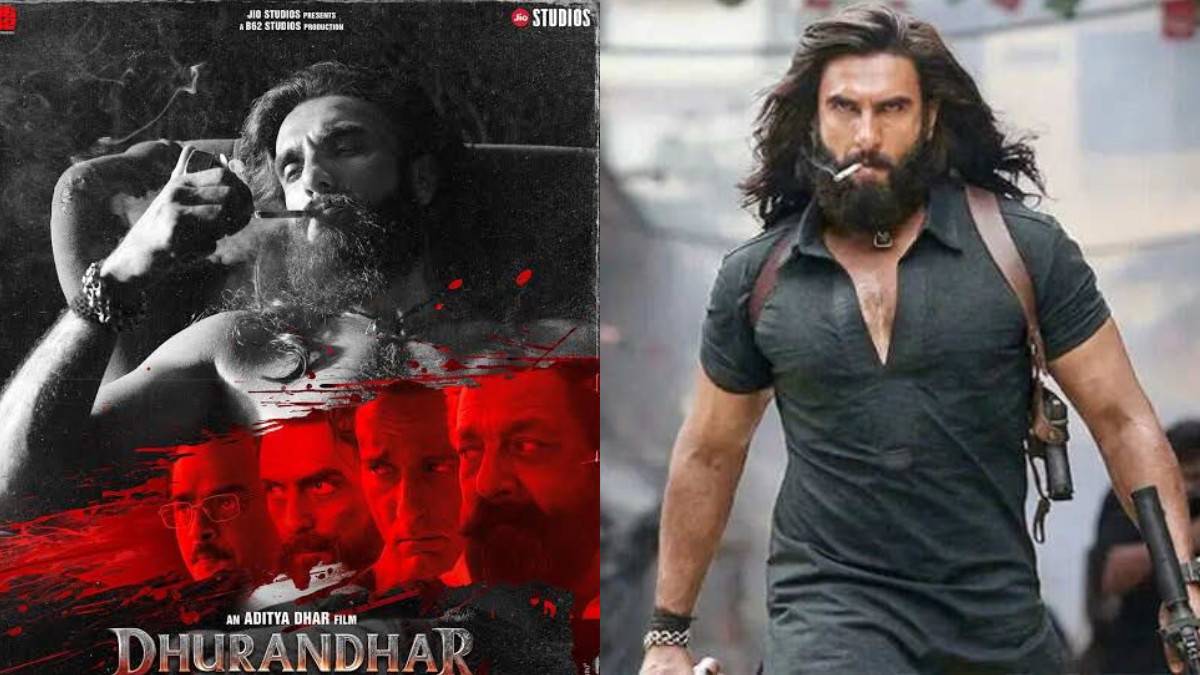
In the high-octane world of Aditya Dhar’s Dhurandhar, while the leads have garnered massive praise, it is a supporting character named Lulli Dakait who has become the center of intense online conversation.
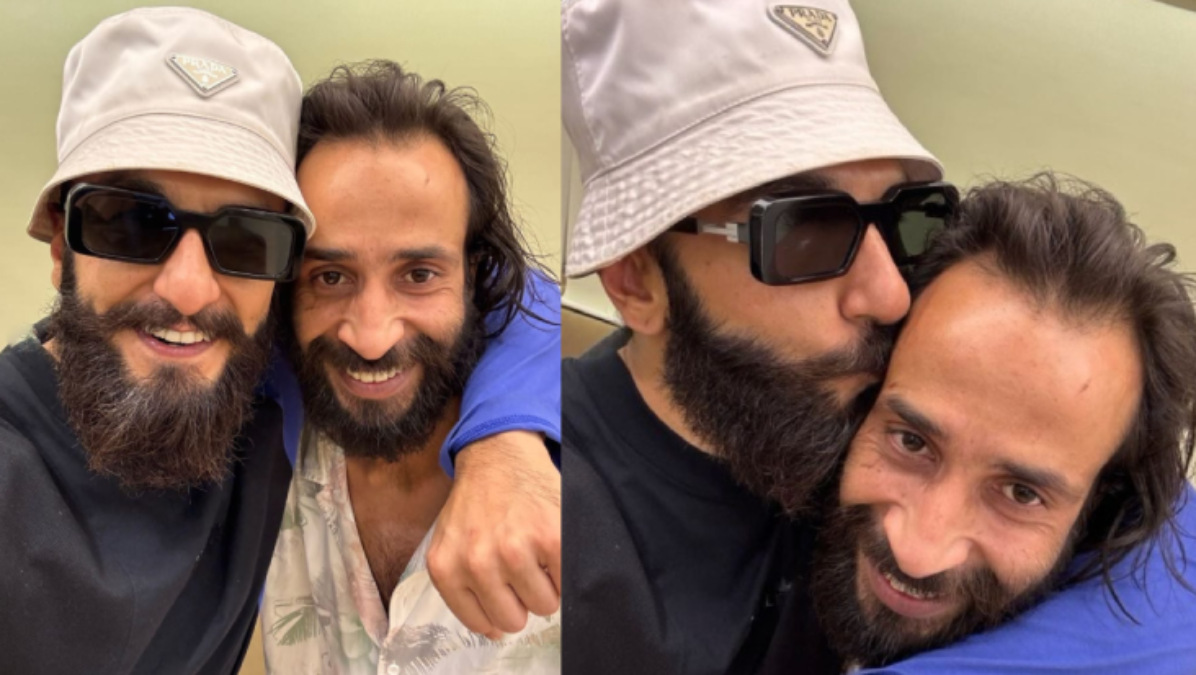
The character, played by actor Naseem Mughal, appears in one of the film’s most harrowing sequences, leaving audiences both enraged and deeply unsettled by the vulnerability of the protagonist, Hamza (played by Ranveer Singh).
Who is Lulli Dakait? Meet Naseem Mughal
Lulli Dakait is portrayed as a loyal henchman of Babu Dakait (played by Asif Ali Haider Khan), a rival gang leader in the lawless streets of Lyari. Though the role is a brief appearance, actor Naseem Mughal has been praised for his "electric" and "fearless" performance, effectively portraying a character designed to be loathed.
Naseem Mughal is not a newcomer to the industry; he has previously appeared in notable projects such as:
- Guns & Gulaabs (2023)
- Checkmate (2024)
- Inside Edge 3
Despite the "villainous" nature of his role, Mughal shared a heartfelt post on Instagram gushing over his co-star Ranveer Singh, calling him a "symbol of fearless performance" and thanking him for the energy he brought to the set.

The Scene That Left Viewers in Rage
The controversy surrounding Lulli Dakait stems from an early sequence in the film where Hamza (Ranveer Singh) first enters the dangerous labyrinth of the Lyari underworld.
The Incident:
- The Confrontation: As Hamza attempts to infiltrate the gang, he is spotted by Babu Dakait’s men. Lulli Dakait initiates a brutal "initiation" ritual that quickly escalates from verbal taunts to physical intimidation.
- The Violation: In a departure from typical "macho" action tropes, the scene depicts a near-sexual assault on Ranveer’s character. Lulli Dakait pins Hamza down, attempting to violate him not out of desire, but as a primal display of power and hierarchy within the gang.
- The Impact: Hamza is only saved by the sudden arrival of a police patrol, but the scene is designed to show the "emotional and moral stakes" and the horrifying vulnerability of a hero in such a lawless environment.
Many viewers described the scene as "traumatizing" and "unsettling," but critics have lauded the director for exploring the rarely discussed territory of male sexual violation in mainstream Indian cinema as a tool of psychological warfare.