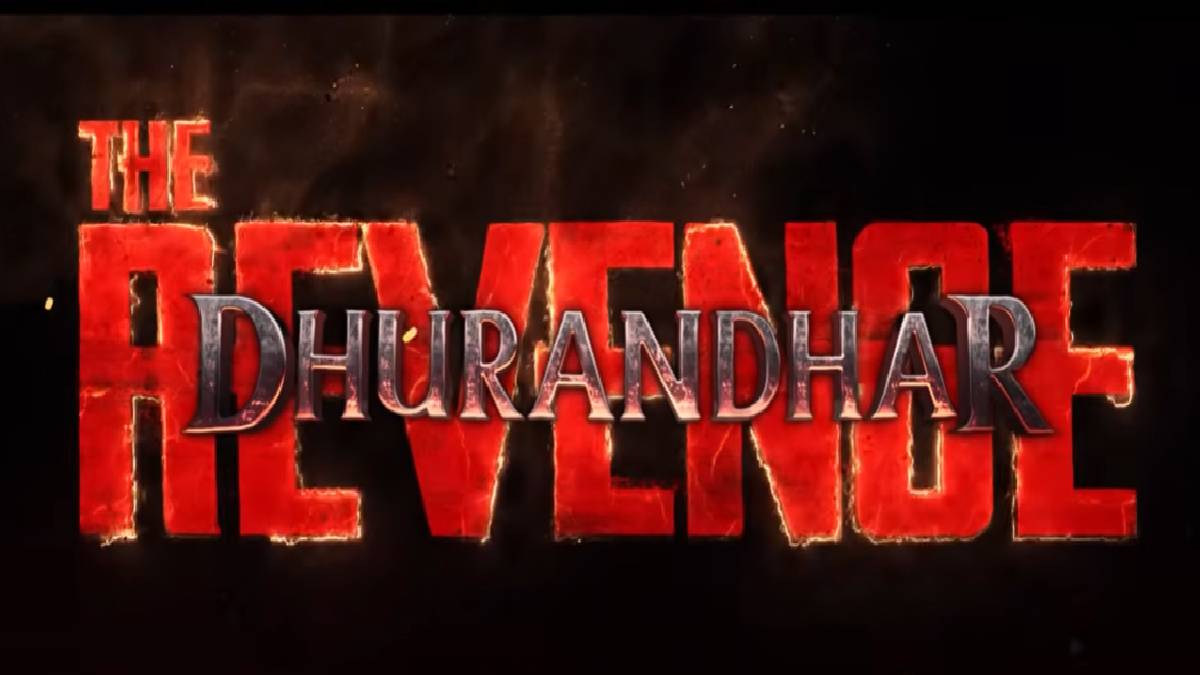
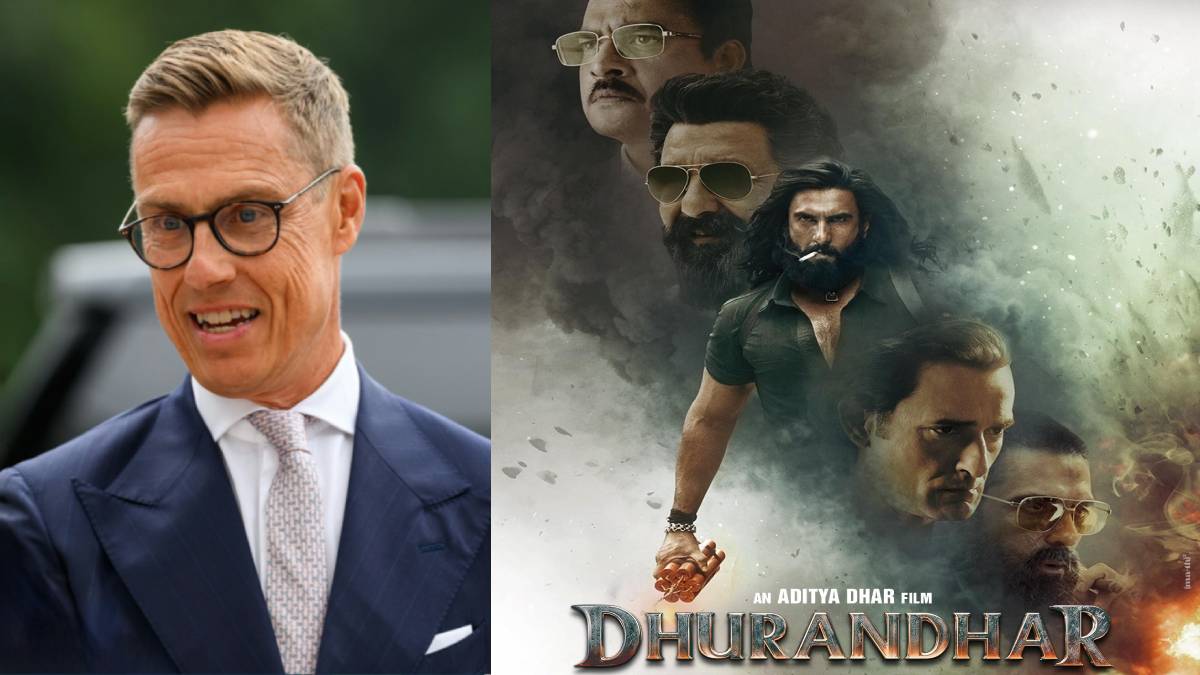
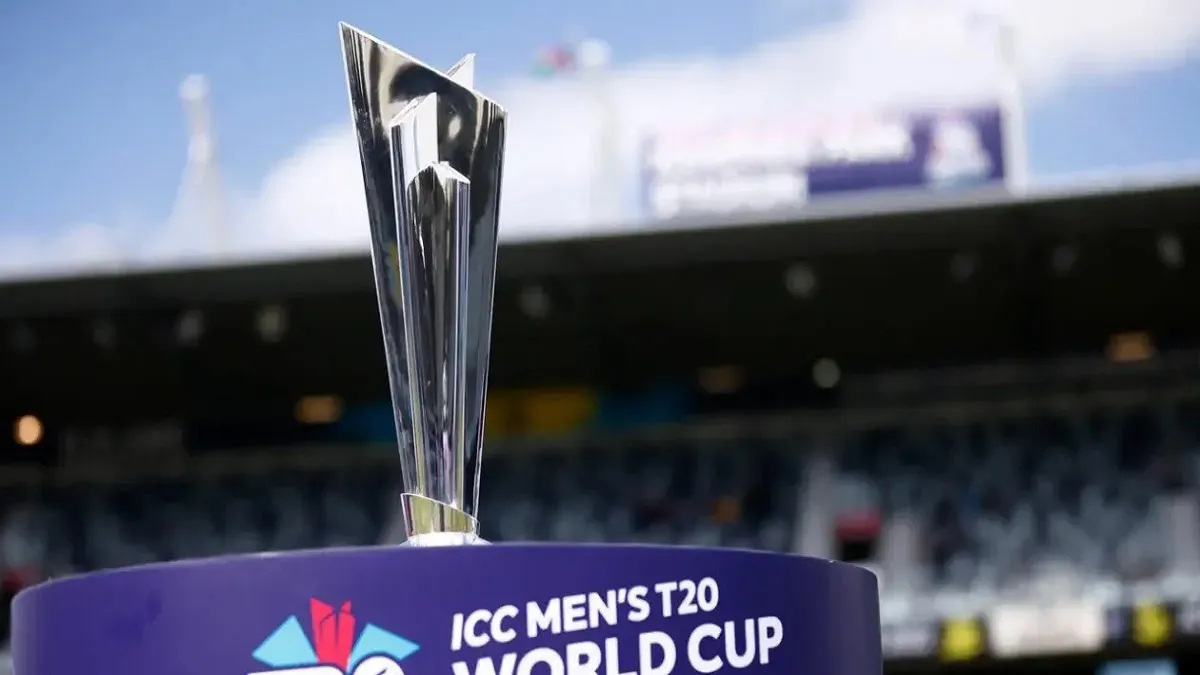
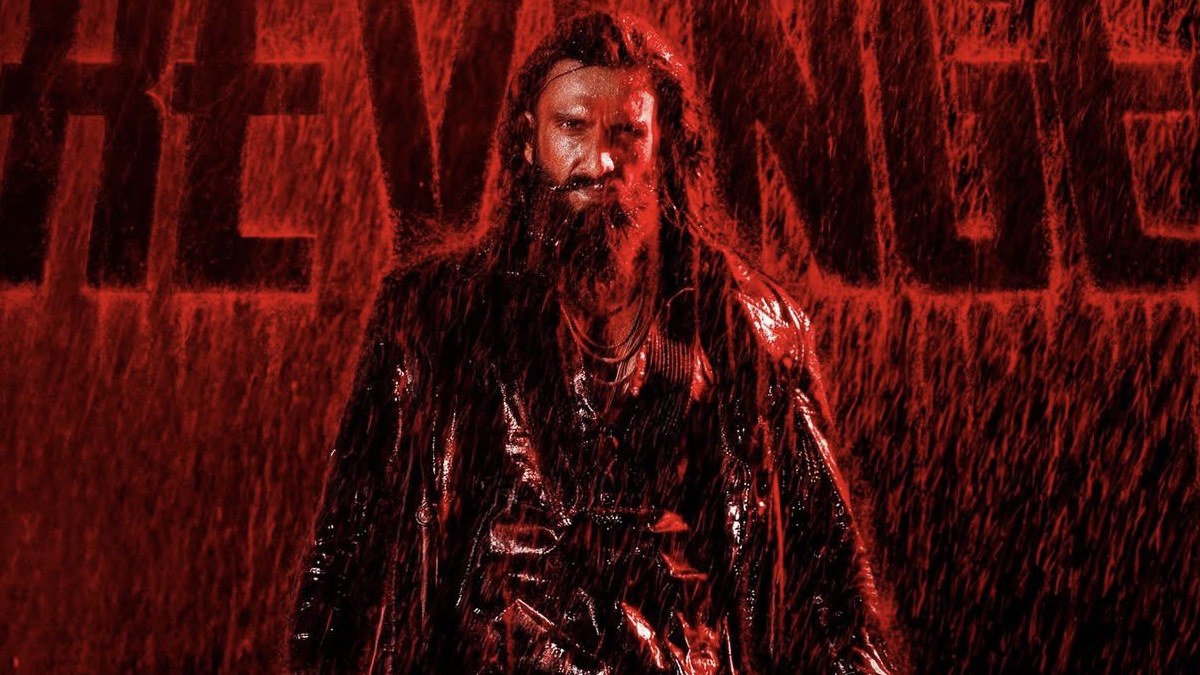
India vs Pakistan T20 World Cup clash in Colombo was already predicated on intense excitement. But the pre‑match ceremony brought its own drama when organizers said Indian rapper Hanumankind would come on stage to perform his hit “Dhurandhar.” The rap track has associations to a film banned in Pakistan, complicating the decision. The move was highlighted globally with Pakistan Cricket Board (PCB) chairman Mohsin Naqvi appearing in the VVIP box with ICC chairman Jay Shah. Hanumankind, an energetic rap style, was asked to perform at the pre‑match ceremony. His song “Dhurandhar” comes from a film that Pakistan prohibited for the reason that it had anti‑Pakistan sentiments. Having performed this song in front of Mohsin Naqvi, who had been criticized earlier for his handling of Pakistan's cricket administration and his recent u‑turn to boycott India, stoked the flames.
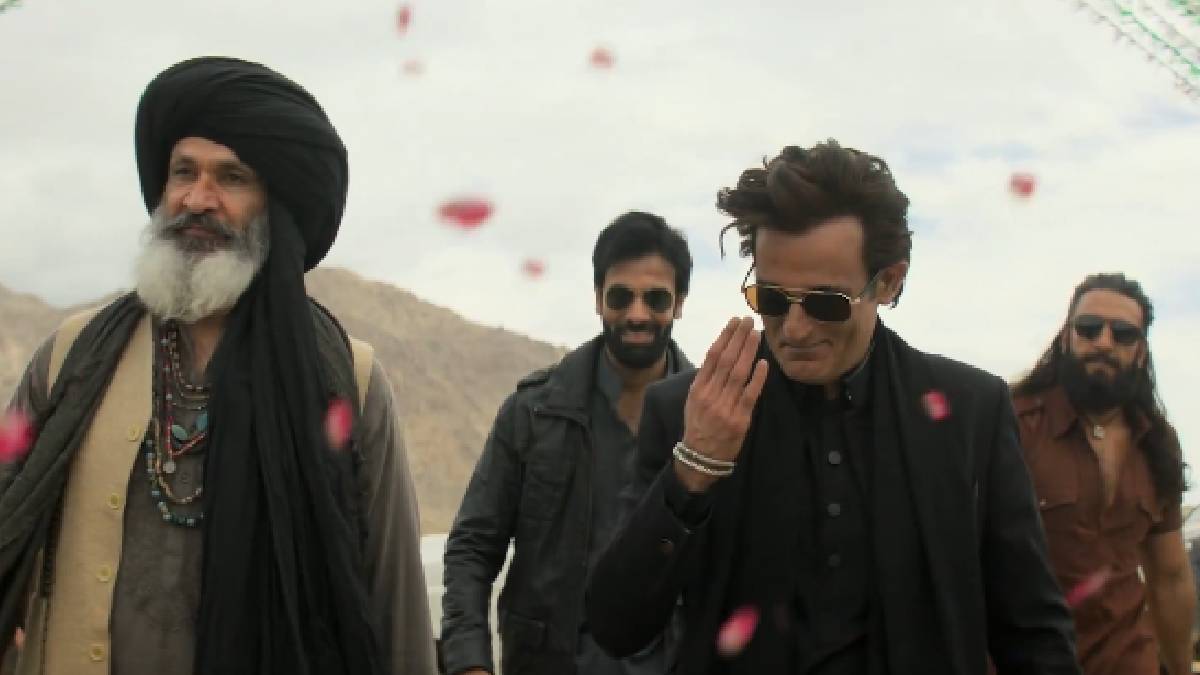
Before the match, the ICC had arranged a grand cultural show, which featured music and dance to build anticipation. Adding “Dhurandhar” was a brave move for many, particularly with the fraught political and cricketing relations between India and Pakistan. For Indians, it was a moment of pride, entertainment, and for Pakistan fans it was seen as provocative.
The announcement became widely consumed on social media. The move gained Indian fans much acclaim, who celebrated it as a symbolic display of dominance as anticipation mounted for the big game. Pakistani media, however, slammed the decision, saying it was disrespectful of sensitivities and could escalate tensions. Mohsin Naqvi, already facing questions about reversing Pakistan’s boycott of India, got a bit of a stick in the mud after the rap reverberated through the stadium.
India vs Pakistan matches are never purely about cricket. They have political, cultural and emotional heft. The inclusion of “Dhurandhar” showed how game and theatre could intersect with national narratives. For some, it was harmless fun; for others, it came off as a calculated provocation. The incident is an illustration of how, as with game games, pre‑match ceremonies become places of symbolic battles.
The Dhurandhar rap performance preceding India vs Pakistan became less of a spectacle and a statement. Hounded and flanked by Mohsin Naqvi, the moment was steeped in symbolism, a reflection of the profound rivalry between the two nations. Be it seen as a bold or even provoking act, the incident also illustrates the way cricket between India and Pakistan is never just cricket – a game, it is a cultural battlefield and as such both politically polarising and offensive.