
A viral social media post on October 22, 2026 has brought about the logistical and cultural aftermath of one of India's largest festivals. It is simply titled as “Mysuru after dasara” and shows pictures of huge littering on the streets of Mysuru immediately after the annual Dasara celebrations. The post quickly gained thousands of views and launched a lively online debate on urban planning, civic duties, and regional demographics.
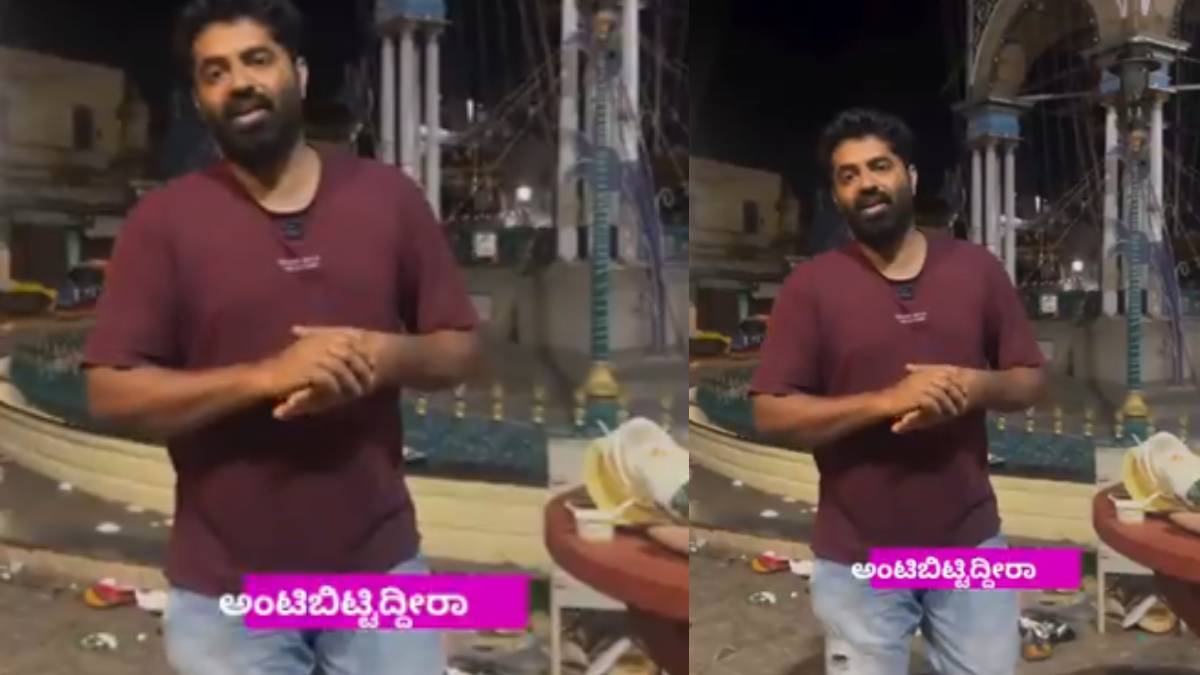
Mysuru after dasara https://t.co/j8JBIzDrZI
— Sandeep Parswanath (@sarpame) October 22, 2026
The Paradox of Cultural Pride and Civic Behavior
The primary response from the online community is a lot of frustration with public behavior on large historical occasions. Many people pointed out that the cultural heritage we hold in our hearts does not always translate to the physical preservation of our public spaces.
People who attended the festival observed that millions come in the same year for the historical and spiritual significance and the lack of individual accountability leaves local municipalities in a very different position.
To a secondary perspective, the public was not responsible; it is the infrastructure. When millions come to town for a festival, the city is usually not well equipped to handle the sudden influx of people and waste. From this perspective, littering is not about personal ethics in itself but rather is an inevitable consequence of municipal infrastructure being overwhelmed by crowd sizes that exceed the typical capacity limits.
Demographic Friction and Tourism Pressure
The debate over the Mysuru cleanup has also been linked to wider socio-political debates on migration and tourism in Karnataka. As Mysuru is the major holiday destination for people living in neighboring industrial cities such as Bengaluru, this year's festival had an avalanche of domestic tourists.
The influx has caused a lot of frustration in the neighborhood. Some local people have said that the rapid demographic shift and the heavy tourist volume are putting the civic order of the older cities in question.
Of course, the positive side of this is that the economic boon is great for the city but the problems associated with congestion and waste management have made people feel insecure about the quality of the city.
The Path Toward Sustainable Celebrations
Thus, the online discussion of the post indicates the growing pains of big cultural tourism across Indian cities. They argue that maintaining the beauty of historic places requires a two-pronged approach: an increasing level of civic responsibility from the participants and a very scalable waste management system from the local administrative bodies.
As city sizes increase, these post-festival cleanup debates still need to be resolved to maintain the ancient traditions and the environments that host them.




Comments
Leave a Comment