
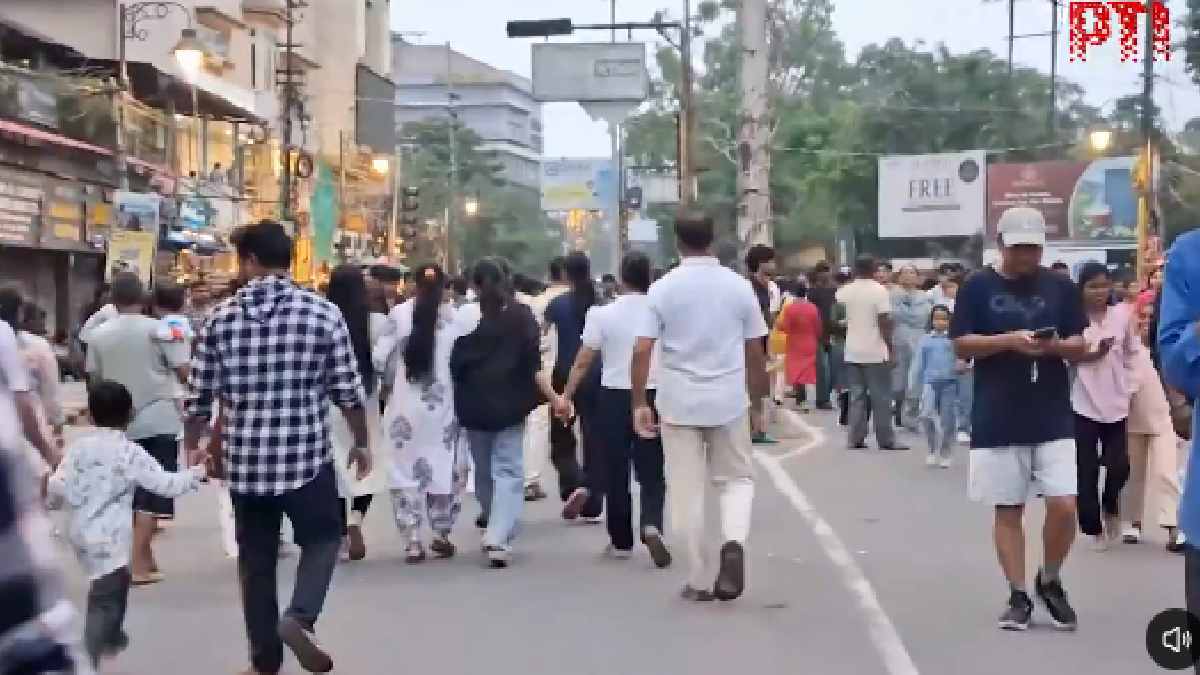
Assam: Large crowds gathered in the Garoli area of Jorhat on the occasion of Mahalaya, marking the transition from Pitru Paksha to Devi Paksha and signalling the beginning of the much-anticipated Durga Puja celebrations.
Mahalaya has deep religious and cultural significance to Hindu worshipers waiting for Goddess Durga. The day is traditionally associated with the end of Pitru Paksha, the period of remembering our departed ancestors and the beginning of Devi Paksha, which brings Durga Puja.
The festival drew a large number of people in Jorhat who came together to watch the rituals and to engage in religious activity. Mahalaya, as the festivals and traditional rituals that bring communities together, is the core of Mahalaya in Assam.
One of Mahalaya’s central practices is Tarpan, the custom of offering prayers and water to honor their ancestors. River ghats in different parts of the country are usually full of people on this day, and religious rituals are performed by families and religious people.
Tarpan is an expression of gratitude for many families. It is an opportunity to pay homage to the ancestors and honor them while observing old habits that have been passed down over the generations. The ritual is essential for Mahalaya festivals, connecting spiritual beliefs with family traditions.
VIDEO | Assam: Large crowds of people gather in Garoli area of Jorhat on the occasion of Mahalaya, marking the transition from Pitru Paksha to Devi Paksha. It heralds the highly anticipated arrival of Goddess Durga. The day is observed with devotion, massive gatherings at river ghats for Tarpan rituals and cultural programmes. (Full video available on PTI Videos - https://t.co/bIyFWTfmBd)
— Press Trust of India (@PTI_News) October 10, 2026
While Mahalaya is associated with ancestral worship, for devotees of Goddess Durga, it is also the start of the spiritually significant period before Durga Puja, one of the most celebrated festivals in many parts of India. In particular, West Bengal, Assam, and other eastern states are among the most celebrated.
For devotees, Mahalaya is a time of celebration of good over evil and is associated with the goddess Durga’s arrival. Temples, communities, and religious gathering points are places of activity which serve as places of worship for the people who are going to have an enjoyable festival.
Cultural programmes also play a large part in Mahalaya celebrations in many places. Traditional music, devotional performances, and other community activities preserve regional customs while bringing people of different generations together. These traditions contribute to the special atmosphere of the occasion.
Mahalaya is representative of the cultural heritage in Assam and the long-lasting association with religious festivals. Jorhat is where the gathering is happening, so that the people come together to perform rituals and to welcome the new year.
Mahalaya is a time of remembrance and a time of spiritual renewal from Pitru Paksha to Devi Paksha. For devotees, it is a connection between the honouring of ancestors and the preparation for Goddess Durga to come.
The gathering in Garoli, Jorhat, underlines the significance of Mahalaya in Assam, where devotion, traditional rituals, and community participation come together as the countdown to Durga Puja starts.





Comments
Leave a Comment